by Alec Tsikirai | Uncategorized
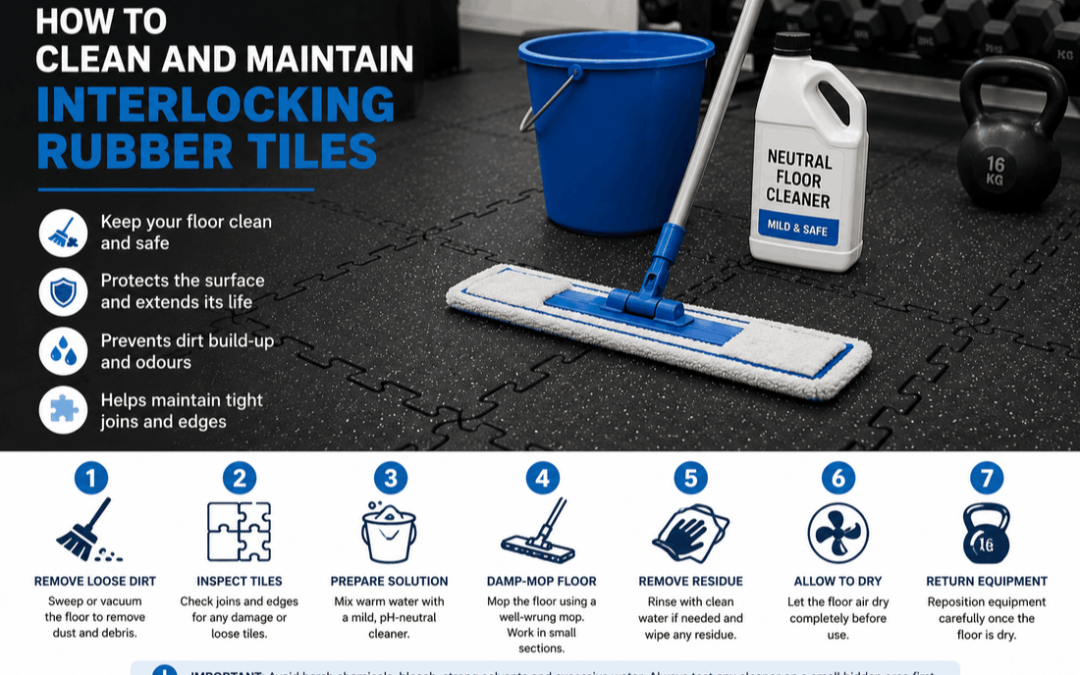
How to clean interlocking rubber tiles depends on the amount of traffic, the type of dirt present and the environment in which the flooring is installed. Regular sweeping, controlled damp cleaning and quick spill removal can help preserve the floor while reducing the...
by Alec Tsikirai | Uncategorized
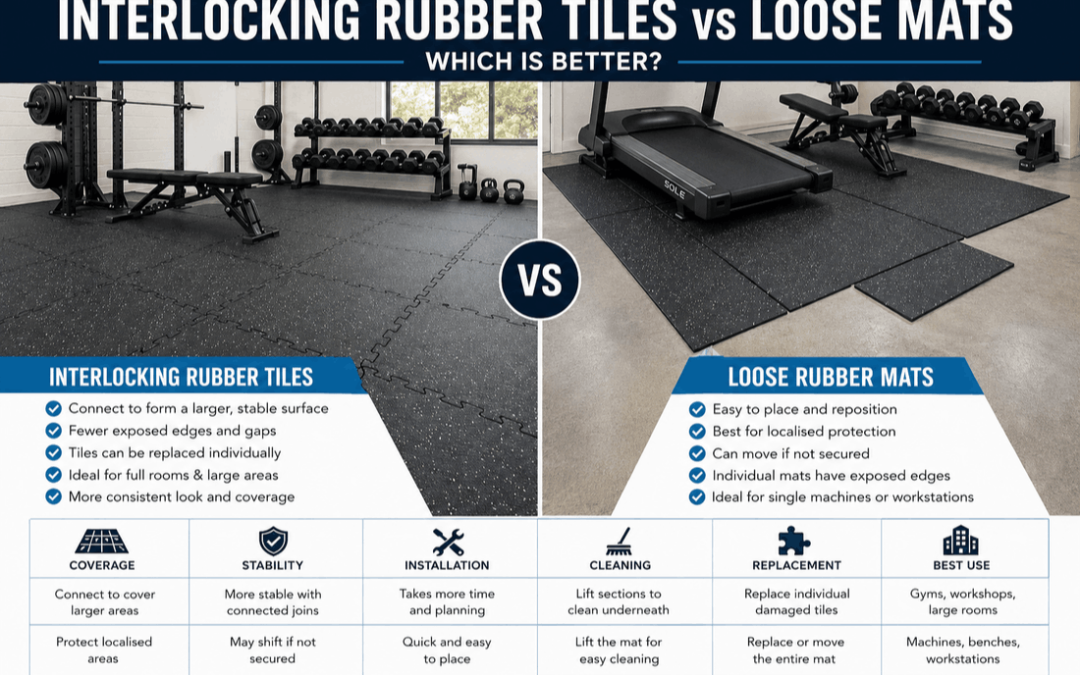
Interlocking rubber tiles vs loose mats is an important comparison when a gym, workshop, equipment room or commercial space needs reliable floor protection. Connected tiles create a wider modular surface, while loose mats normally protect one localised area and remain...
by Alec Tsikirai | Uncategorized
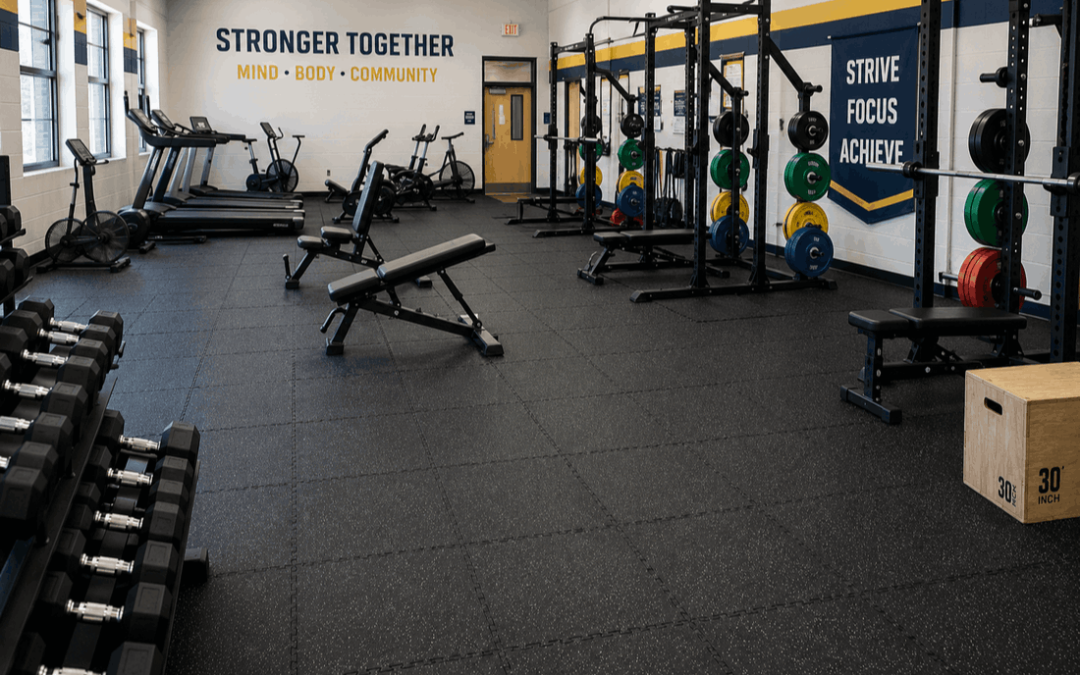
Interlocking rubber tiles for schools can provide a modular flooring option for weight rooms, fitness spaces, training halls and selected community gym areas. However, the correct tile must be chosen according to the age groups using the facility, exercise equipment,...
by Alec Tsikirai | Uncategorized
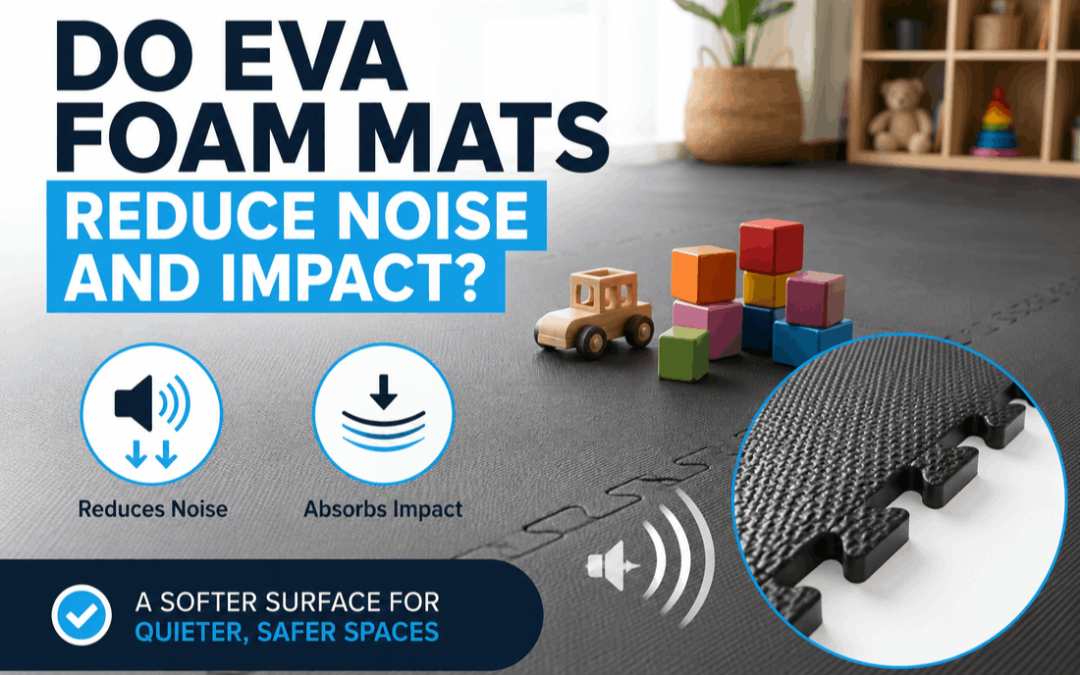
Do EVA foam mats reduce noise in playrooms, classrooms, home activity rooms and light exercise spaces? They may soften certain sounds created when feet, toys or lightweight accessories make contact with a hard floor. Their cushioned foam structure can reduce the...
by Alec Tsikirai | Uncategorized
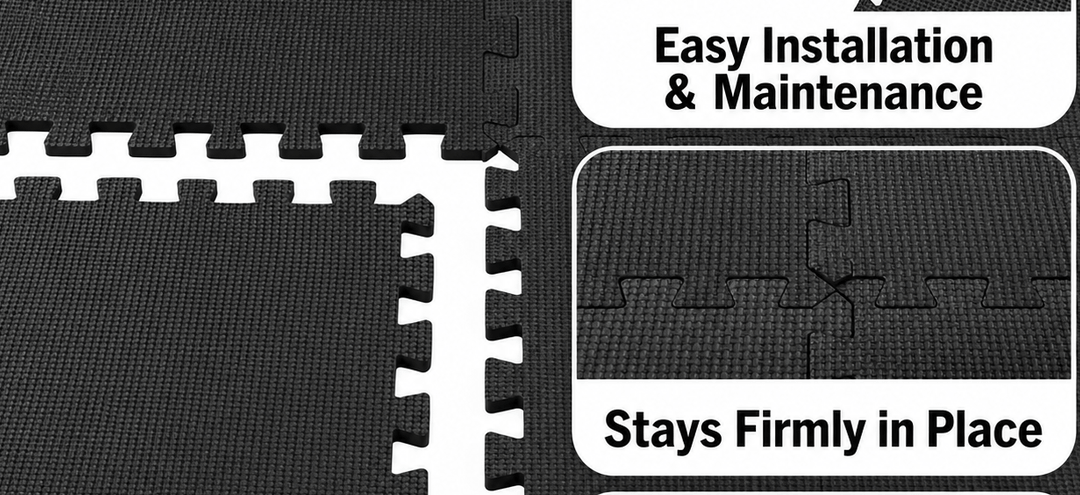
EVA foam mats for community centres can create softer, more comfortable zones for supervised children’s programmes, reading groups, floor activities, stretching sessions and light indoor movement. Their modular puzzle design allows organisers to cover a selected part...
by Alec Tsikirai | Uncategorized
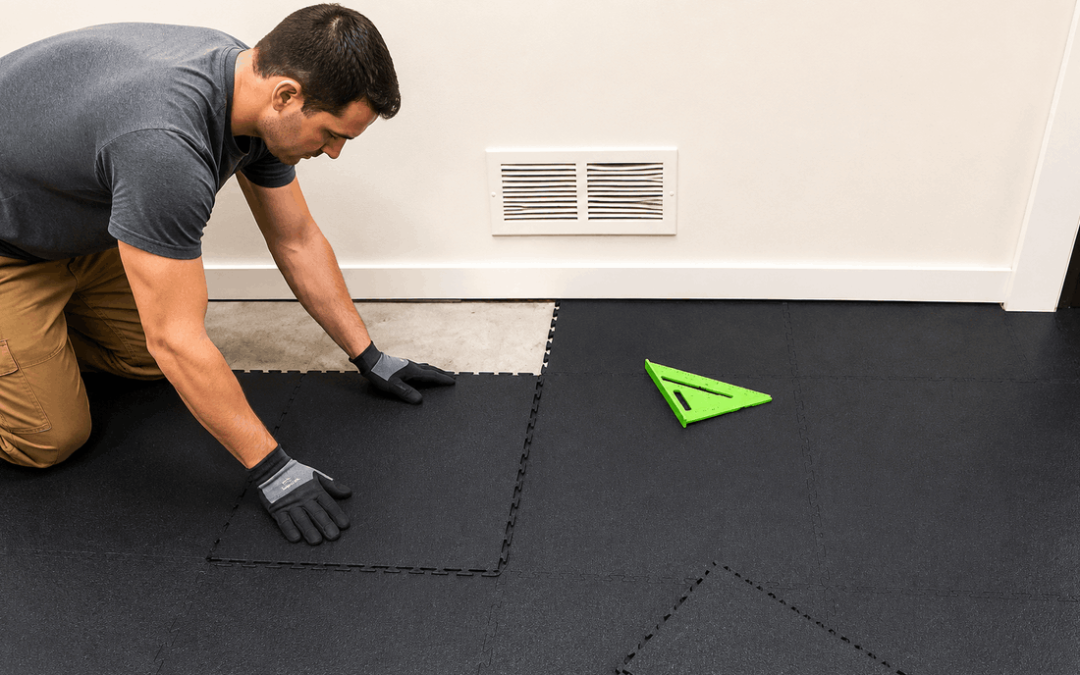
Learning how to install interlocking rubber tiles starts with preparing the concrete correctly. The floor must be firm, clean, dry and reasonably level before the first tile is positioned. Dust, oil, loose paint, raised repairs and unresolved moisture can affect the...
by Alec Tsikirai | Uncategorized
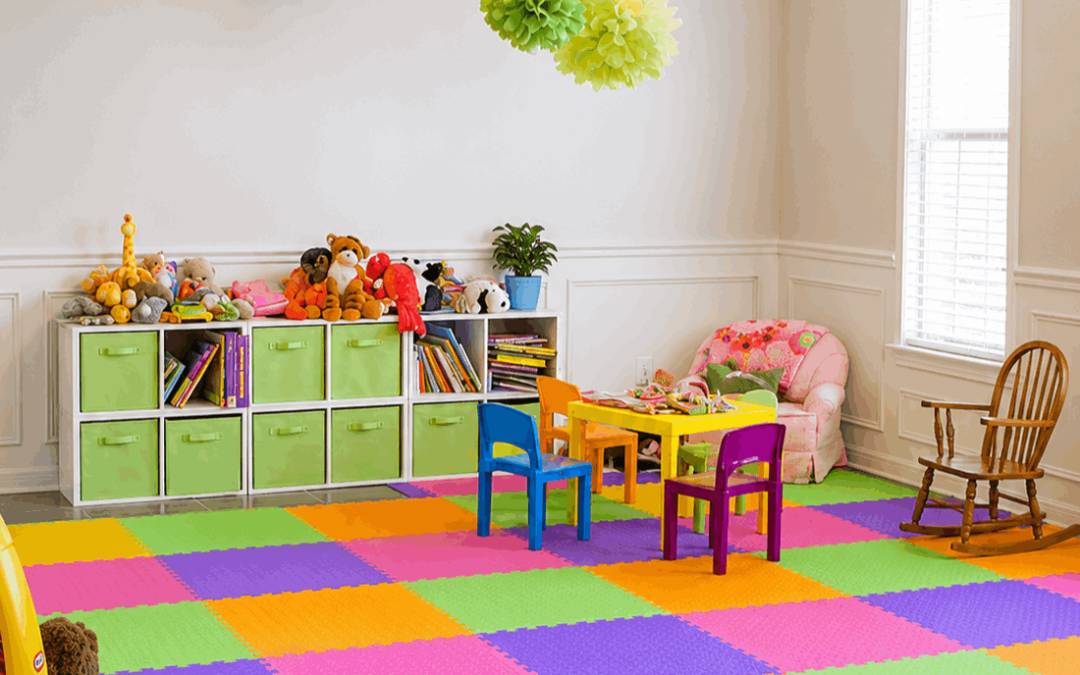
Choosing the best flooring for kids bedrooms and play corners means balancing comfort, cleaning, durability and the way the room is used every day. Children may sit, crawl, read, build toys, complete puzzles or play close to the floor, so a hard ceramic, concrete,...
by Alec Tsikirai | Uncategorized
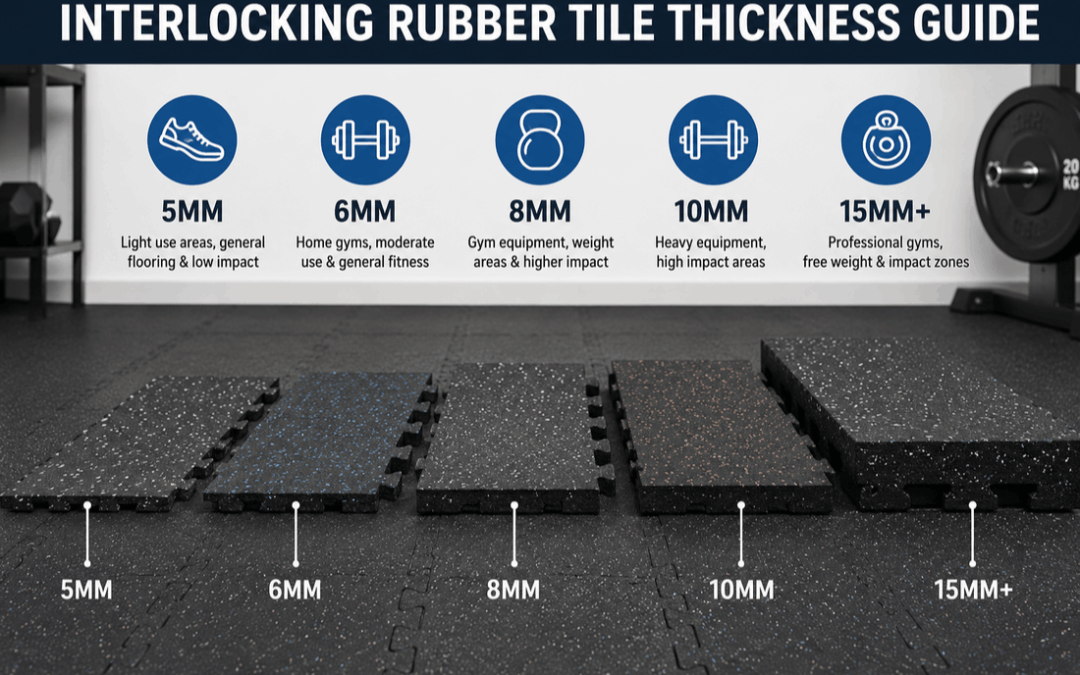
This interlocking rubber tile thickness guide explains how to compare 5mm, 6mm, 8mm and 10mm flooring without assuming that the thickest option is automatically the best. Tile depth should be considered together with rubber composition, density, equipment load,...
by Alec Tsikirai | Uncategorized
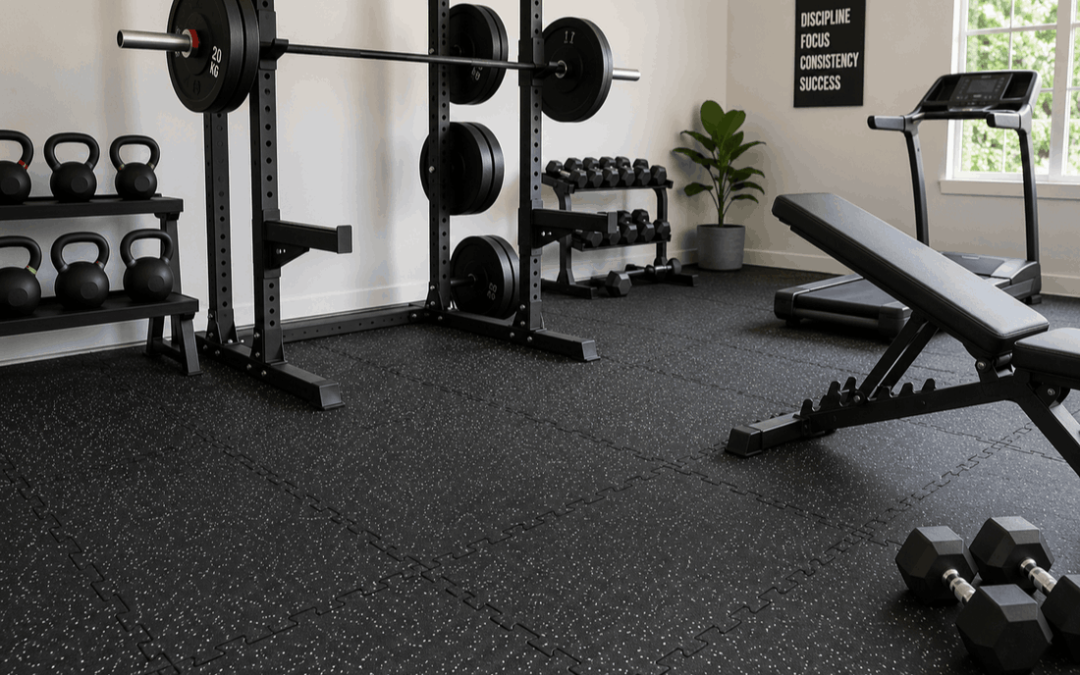
Interlocking rubber tiles for home gym spaces should be selected according to how the room will be used. A space built around a treadmill and exercise bike has different flooring needs from an area used for squats, deadlifts, dumbbells or repeated weight training. The...
by Alec Tsikirai | Uncategorized
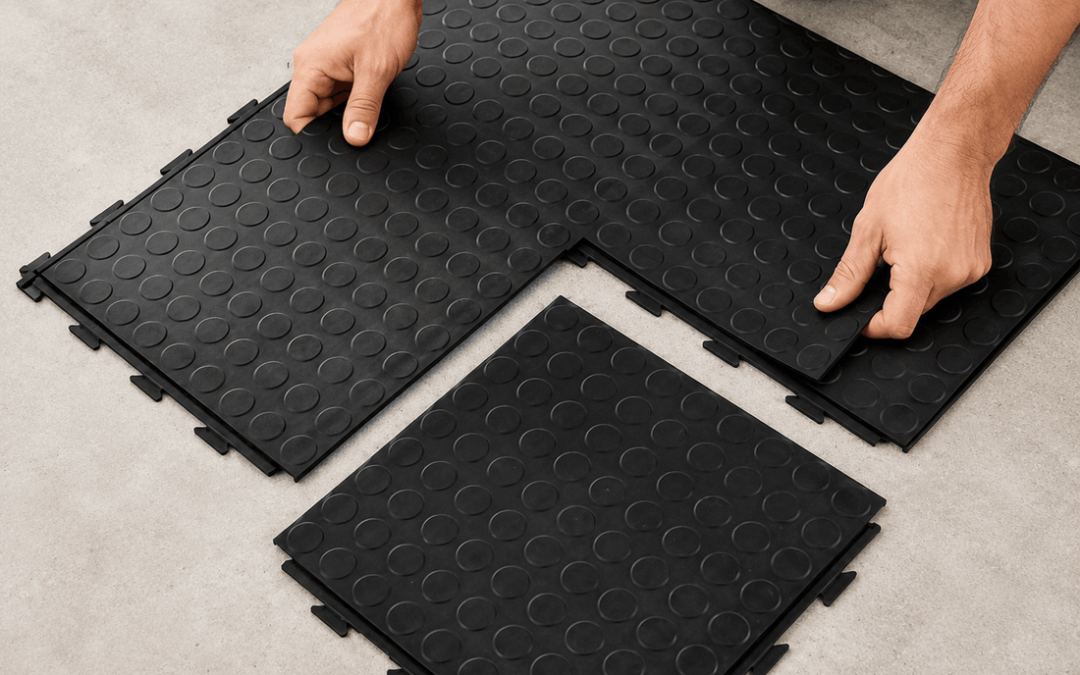
Hidden interlocking rubber tiles combine modular installation with a concealed joining design that reduces the appearance of exposed puzzle-style edges. When properly aligned, the tiles can create a cleaner and more continuous-looking floor while retaining the...