
15mm Speckled Strength Training Tiles
Shock-absorbing gym flooring for strength training, gym equipment and floor protection.

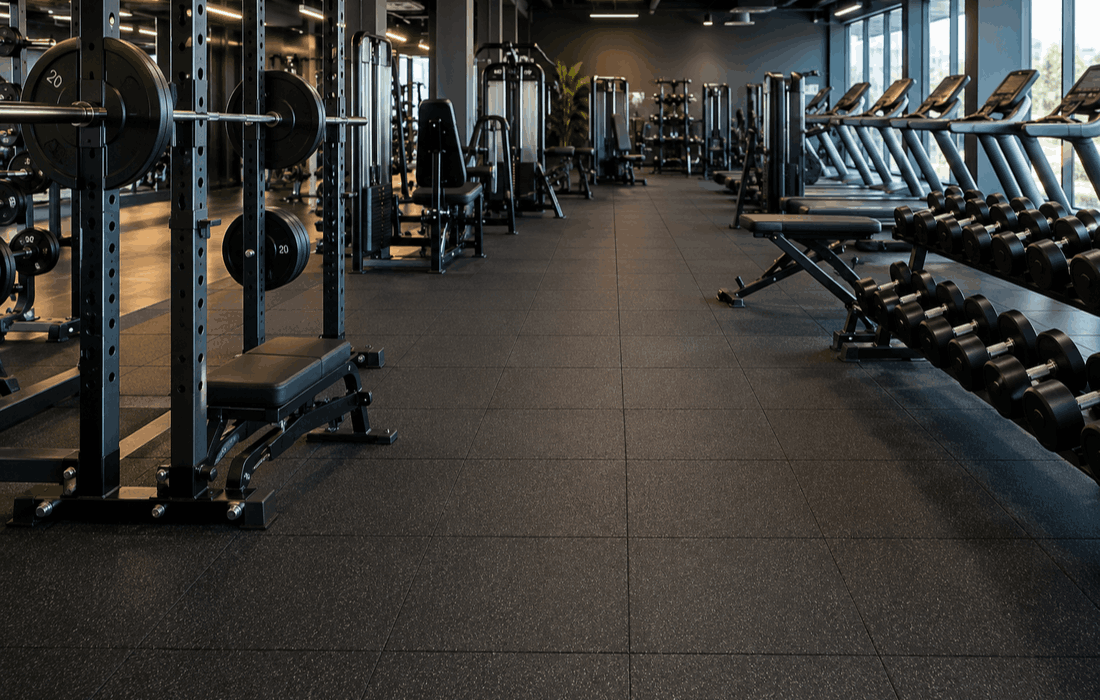
Explore durable, protective and comfortable gym flooring designed for home gyms, commercial fitness centres and high-impact training areas.
Upgrade your training area with durable gym flooring in South Africa designed for home gyms, commercial fitness centres, schools, studios and strength-training spaces. At PVC Floor Tile, we supply high-performance rubber and PVC gym flooring options that offer shock absorption, grip, floor protection and easy maintenance. Our rubber gym mats and interlocking PVC gym tiles are built to handle daily workouts, heavy equipment and busy training areas while creating a clean, professional finish. Browse our gym flooring range below for factory-direct pricing, Randburg collection and SA-wide delivery. Request Quote Click to Call
Shock-absorbing gym flooring for strength training, gym equipment and floor protection.

Heavy-duty protective flooring for weightlifting areas, fitness centres and training equipment.

Interlocking flooring for workout rooms, cardio equipment and general home gym areas.

Cushioned exercise flooring that helps absorb impact, reduce noise and protect the subfloor.

Durable modular tiles for functional fitness, active training spaces and equipment zones.


Neat hidden-lock gym flooring for mobility, cardio and general-purpose fitness areas.

Large modular mat for fitness equipment, training areas and protective indoor gym surfaces.
Easy-clean interlocking flooring for stretching, recovery and lower-impact fitness areas.
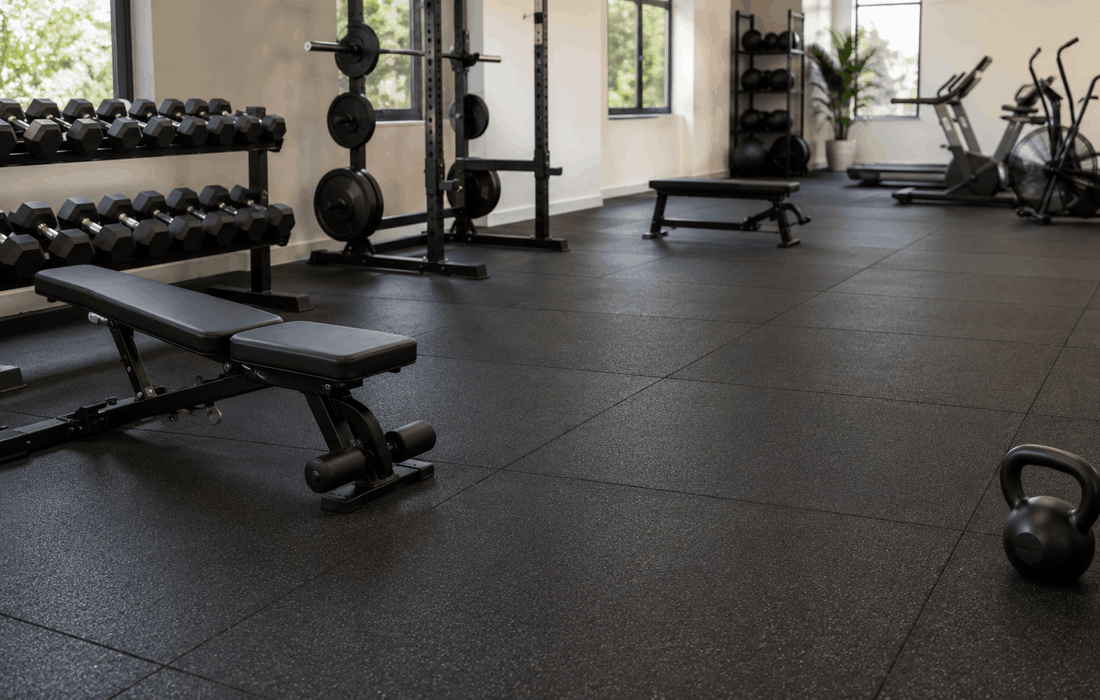
Compare practical indoor gym flooring options for home gyms, commercial fitness centres and professional training spaces.
Read Guide →
Learn which gym tiles suit busy fitness centres, weight zones, studios and high-traffic training areas.
Read Guide →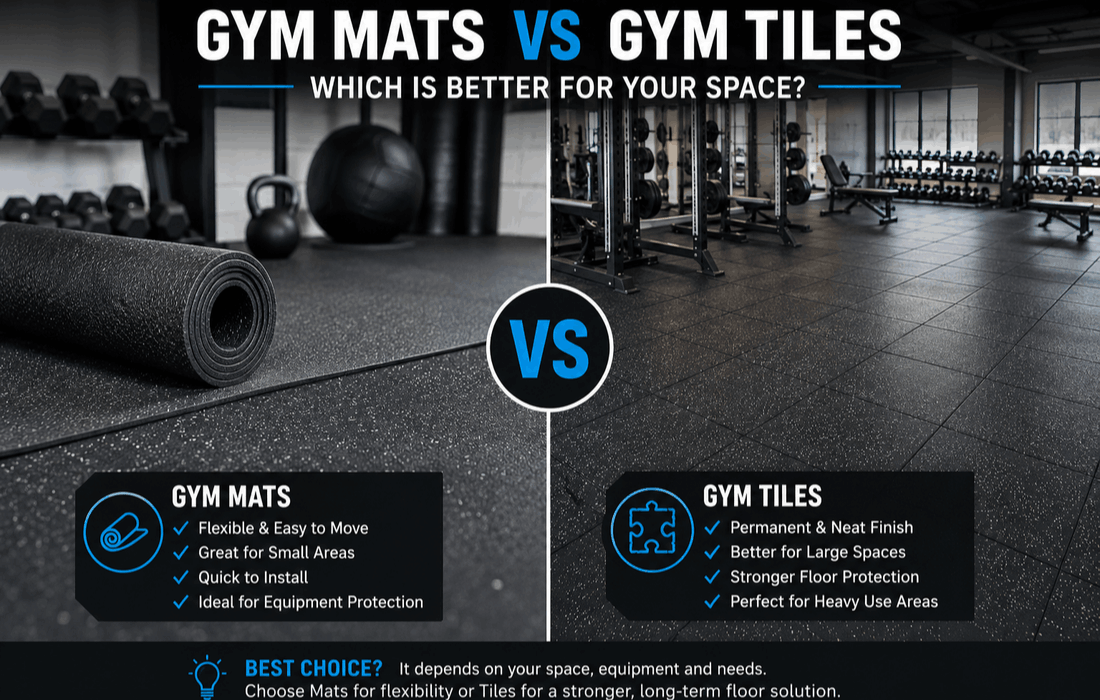
Compare gym mats and gym tiles for impact protection, installation, maintenance and different workout areas.
Read Guide →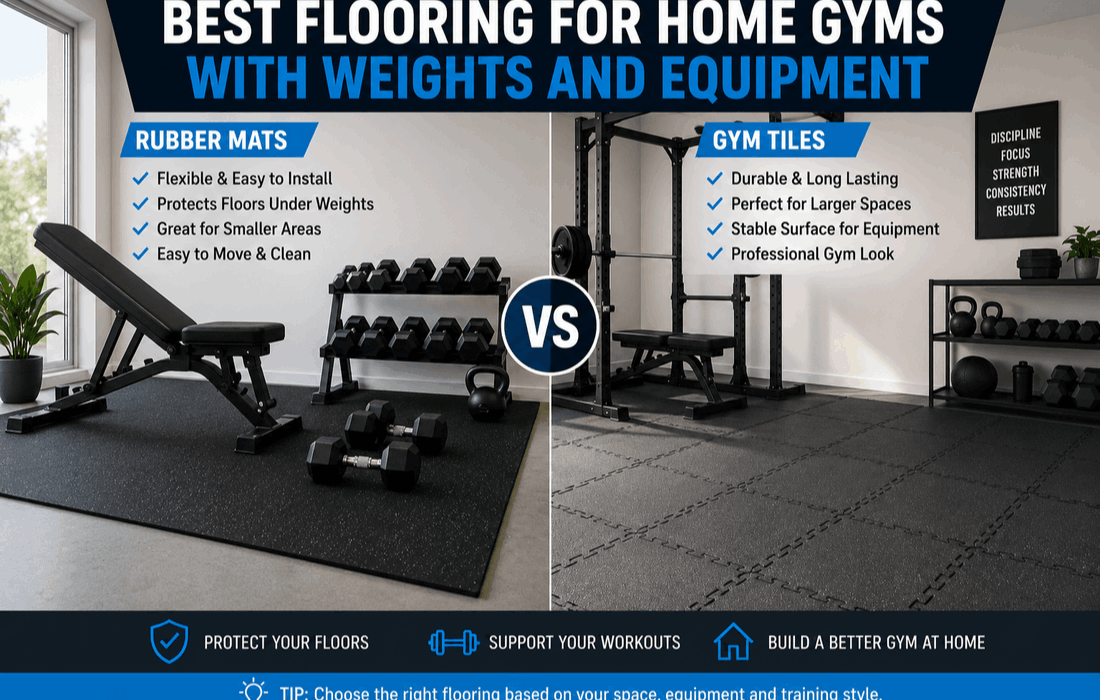
Choose durable flooring for a home gym with weights, strength equipment, machines and regular training.
Read Guide →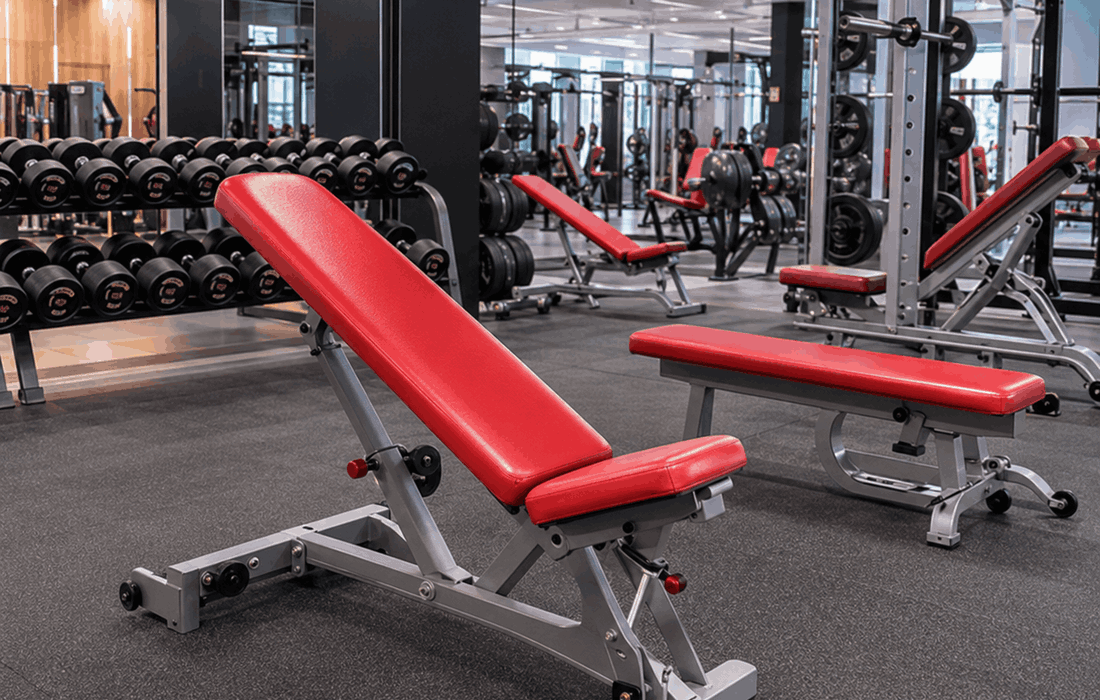
Consider training activities, equipment, flooring thickness, grip, maintenance and installation requirements.
Read Guide →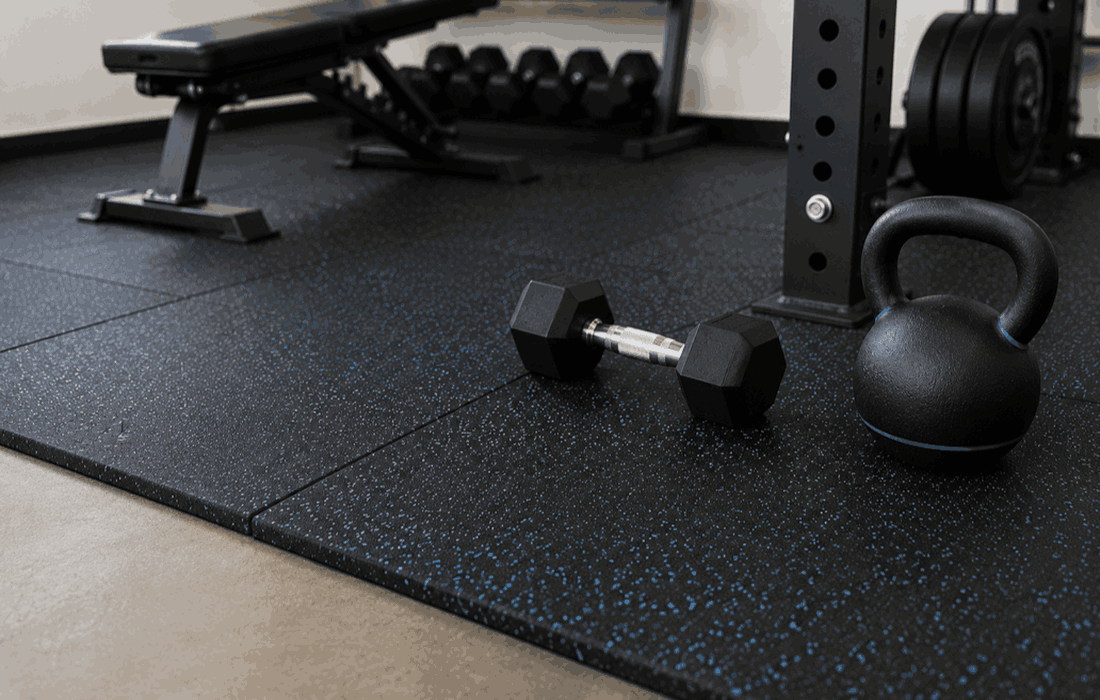
Compare rubber mats, interlocking gym tiles, PVC flooring and foam mats for different fitness-room activities.
Read Guide →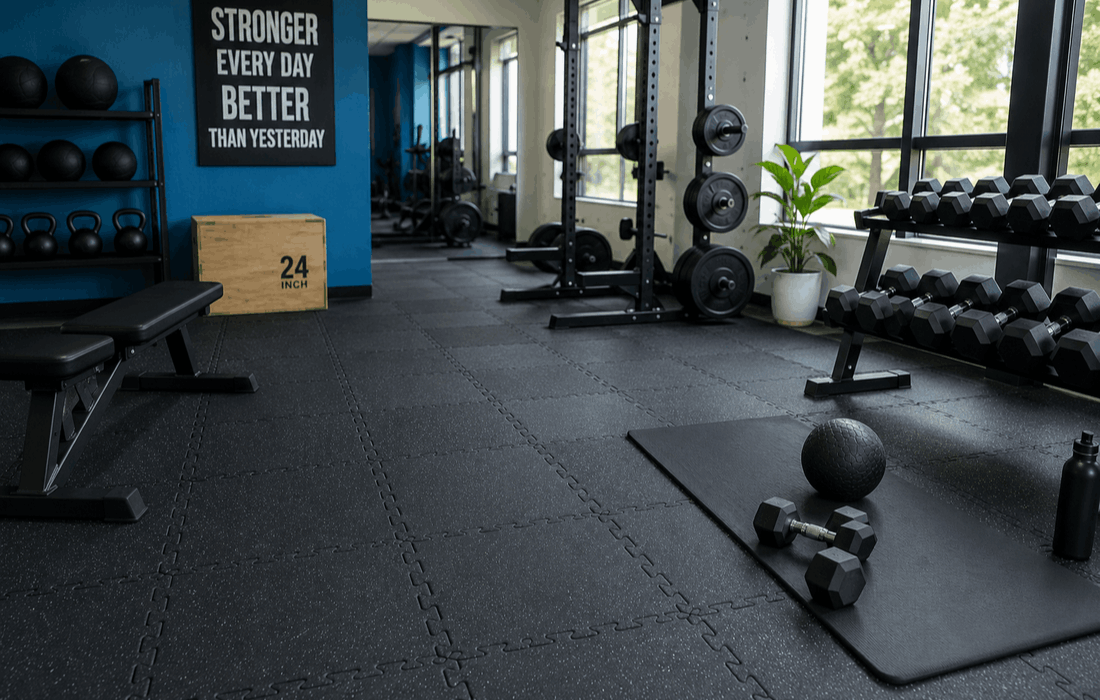
Discover how fitness mats support comfort, grip, floor protection, impact control and easier gym maintenance.
Read Guide →
Learn how rubber mats can help reduce impact noise, equipment vibration and harsh contact with hard floors.
Read Guide →Pay online through PayFast when purchasing selected gym flooring tiles and rubber flooring products.
Delivery is available across South Africa, subject to tile size, order weight, quantity and destination.
Compare flooring options for home gyms, fitness studios, training rooms and selected equipment areas.
Send your gym size, equipment type and preferred flooring thickness by WhatsApp for product guidance and a quotation.
Gym flooring helps create a practical training surface for home gyms, commercial fitness centres, personal training studios, school gyms, garage gyms and strength-training areas.
Different workout zones need different flooring. Weightlifting areas normally require denser rubber flooring, while cardio zones, studio spaces and general training rooms may use interlocking PVC or rubber tiles.
PVC Floor Tile supplies rubber gym mats, interlocking rubber tiles, PVC interlocking tiles and modular flooring options for different training environments.
Important: Flooring thickness and material should match the equipment load, impact level and type of exercise. Standard PVC tiles should not be used for repeated heavy weight drops unless specifically approved for that application.
Flooring for treadmills, exercise bikes, benches, light weights and general home training.
Modular flooring for fitness centres, training studios and multi-zone workout spaces.
Dense rubber mats for dumbbells, racks, deadlifts and heavy equipment sections.
Stable surfaces for treadmills, rowing machines, bikes and other cardio equipment.
Flooring for functional movement, bodyweight exercises and group training areas.
Practical flooring for garages converted into workout and equipment areas.
| Flooring option | Best suited to | Main benefit | Recommended use |
|---|---|---|---|
| Rubber Gym Mats | Free-weight areas, racks, machines and impact zones | Dense protection and impact support | Heavy equipment and weight-training areas |
| Interlocking Rubber Tiles | Home gyms, studios and modular workout rooms | Flexible installation and sectional replacement | General gym and strength-training floors |
| PVC Interlocking Tiles | Cardio zones, studio areas and gym walkways | Neat modular surface that is easy to maintain | Lower-impact training and equipment areas |
| Garage Flooring | Multi-use garages and garage gym conversions | Supports practical garage and training layouts | General garage zones combined with rubber mats where needed |
Rubber gym mats are commonly used in areas exposed to heavy machines, dumbbells, squat racks, benches and repeated equipment pressure.
They help create a protective layer between gym equipment and the supporting floor. Thicker rubber products may also help reduce noise and vibration, depending on the mat density and installation.
Rubber mats may be suitable for:
Interlocking rubber tiles create a modular floor that can be laid in selected areas or across a complete training room.
The interlocking format may allow individual tiles to be lifted and replaced where necessary. This can be useful in home gyms, personal training studios, school gyms and commercial fitness areas.
PVC interlocking tiles may be suitable for cardio areas, studio floors, equipment walkways and general training zones where repeated heavy weight drops are not expected.
PVC tiles can create a neat, easy-clean surface and can be used to define different colour zones within a gym.
Rubber flooring should normally be considered for heavier impact or weight-dropping areas.
Home gyms may be installed in spare rooms, garages, outbuildings or dedicated workout rooms. The correct flooring depends on the type of equipment and the intensity of training.
A cardio-focused home gym may need a stable surface under treadmills, bikes or rowing machines. A strength-training setup may require rubber mats beneath racks, benches and free weights.
Measure the full room and identify the areas that need extra impact protection before choosing the flooring.
Commercial fitness centres normally need several floor zones because different exercises create different levels of impact and equipment pressure.
A typical layout may use rubber mats in free-weight areas, interlocking rubber tiles in strength zones, PVC tiles in cardio areas and suitable softer surfaces in stretching sections.
Traffic volume, cleaning frequency, equipment weight and subfloor condition should be reviewed before installation.
Garage gyms may be used only for exercise or may remain shared with vehicles, storage and tools. The intended use should be confirmed before choosing the floor.
Where the garage remains multi-use, durable garage flooring may cover the general area while rubber mats protect weightlifting and equipment zones.
Gym mats should not be positioned in vehicle routes unless the exact product is suitable for vehicle loads.
This area includes deadlifts, squat racks, dumbbells and free weights. It normally needs thicker, denser rubber flooring.
Treadmills, bikes and rowing machines need a stable surface that is easy to clean and suitable for concentrated equipment pressure.
Functional movement areas need a firm surface that supports foot traffic, bodyweight exercises and regular cleaning.
Stretching zones need comfort and stability. Flooring should not be excessively soft beneath standing movement.
Heavy machines place concentrated pressure on the flooring. Confirm product density and load suitability before installation.
Many interlocking tiles and loose-laid mats can be installed over concrete or tiled floors where the supporting surface is clean, dry, stable and reasonably level.
Soft carpet is generally not recommended beneath interlocking gym tiles because the joints may move or separate.
Read the PVC floor tile installation and cleaning guide before starting a modular flooring installation.
Dense rubber gym mats or suitable thick rubber tiles are normally preferred for free-weight and impact areas.
Yes, provided the concrete is clean, dry, stable and sufficiently level.
Yes, where the tiles are firm, level and undamaged. Loose or uneven tiles should be repaired first.
A hard and stable base is normally preferred. Soft carpet may allow interlocking joints to move.
Many home gym tiles and loose-laid mats do not require glue. Commercial installations may need additional fixing depending on the product and traffic.
Standard PVC tiles are generally better for cardio, studio and lower-impact zones. Use suitable rubber flooring for repeated heavy weight drops.
Suitable rubber flooring can help reduce some noise and vibration, although performance depends on thickness, density, installation and building construction.
Multiply the room length by its width to calculate square metres, then add a suitable allowance for cuts and layout adjustments.
PVC Floor Tile supplies gym flooring for home gyms, commercial fitness centres, training studios, schools, strength rooms, cardio areas and garage gym conversions across South Africa.
Send us your room measurements, equipment list and main training activities so that suitable flooring materials and quantities can be compared.
Send us your gym dimensions, equipment type and training activities for product guidance and a quotation.
