
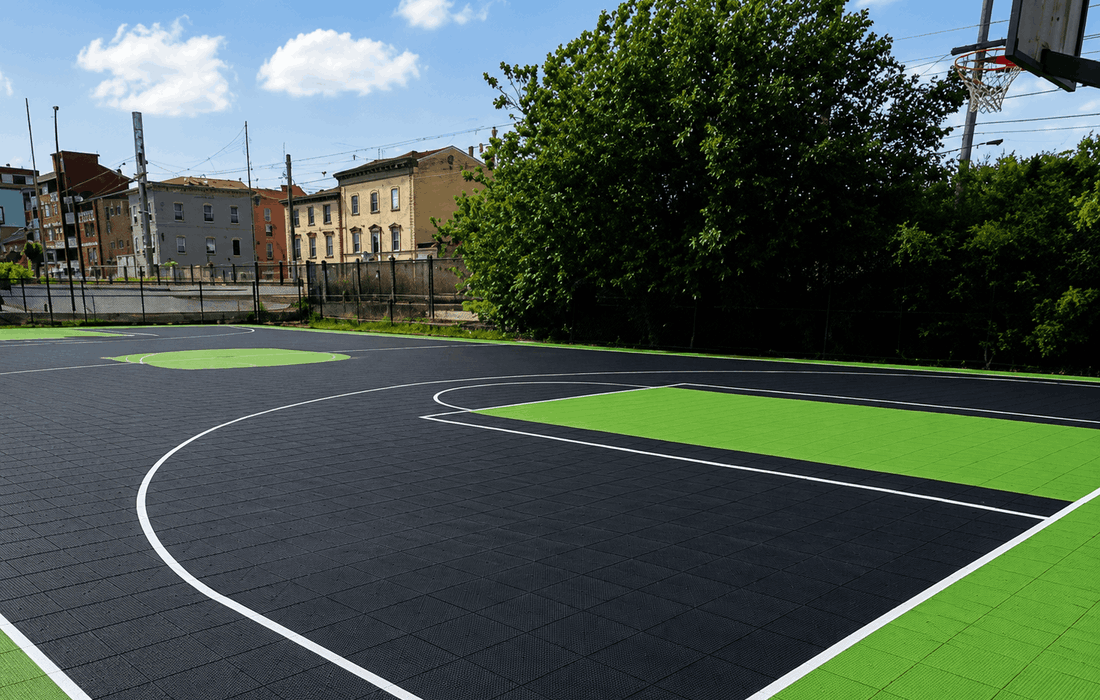
CourtShield Basketball Court Tiles (100-Pack = 1m²)
Colourful modular court tiles designed for schools, clubs, playground activity zones and indoor multi-sport areas.

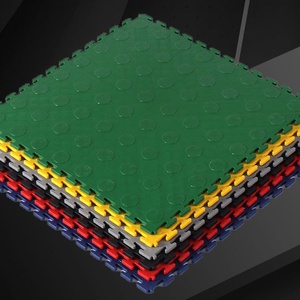

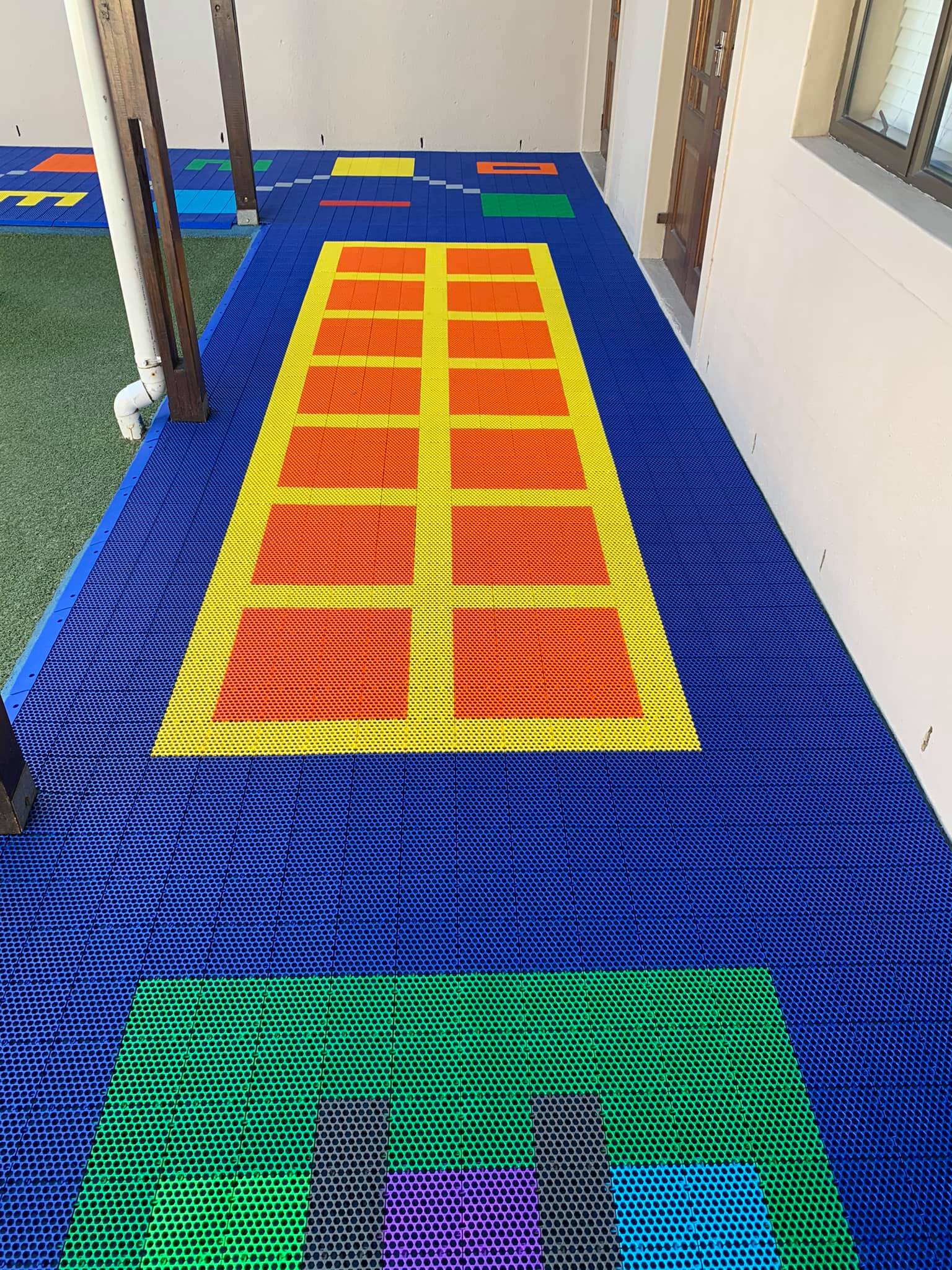
Create colourful, comfortable and protective play areas with durable playground tiles designed for schools, crèches, homes and recreational spaces.
Make play areas safer with durable playground tiles designed for children’s crèches, schools, parks and home play zones. These tiles provide anti-slip grip, cushioned comfort and everyday floor protection for active spaces. Available in bright colours for zoning and fun patterns, they are easy to install, simple to clean and built for long-lasting use. For stronger modular flooring options, browse our interlocking rubber tiles range. Request Quote Click to Call
Colourful modular court tiles designed for schools, clubs, playground activity zones and indoor multi-sport areas.
Heavy-duty recycled rubber tiles providing practical cushioning, grip and floor protection for play areas and activity spaces.

Tough black rubber tiles offering a resilient, anti-slip surface for outdoor recreation areas, walkways and demanding activity zones.
Pay online through PayFast when ordering selected playground tiles and modular activity flooring products.
Delivery is available across South Africa, subject to tile size, order quantity, weight and destination.
Compare interlocking tiles for playgrounds, schools, activity spaces, recreation areas and selected outdoor installations.
Send your area measurements, surface type and intended use by WhatsApp for product guidance and a quotation.
Explore practical guidance for selecting playground flooring, school play-area surfaces, small home practice courts and modular sports tiles for outdoor applications.
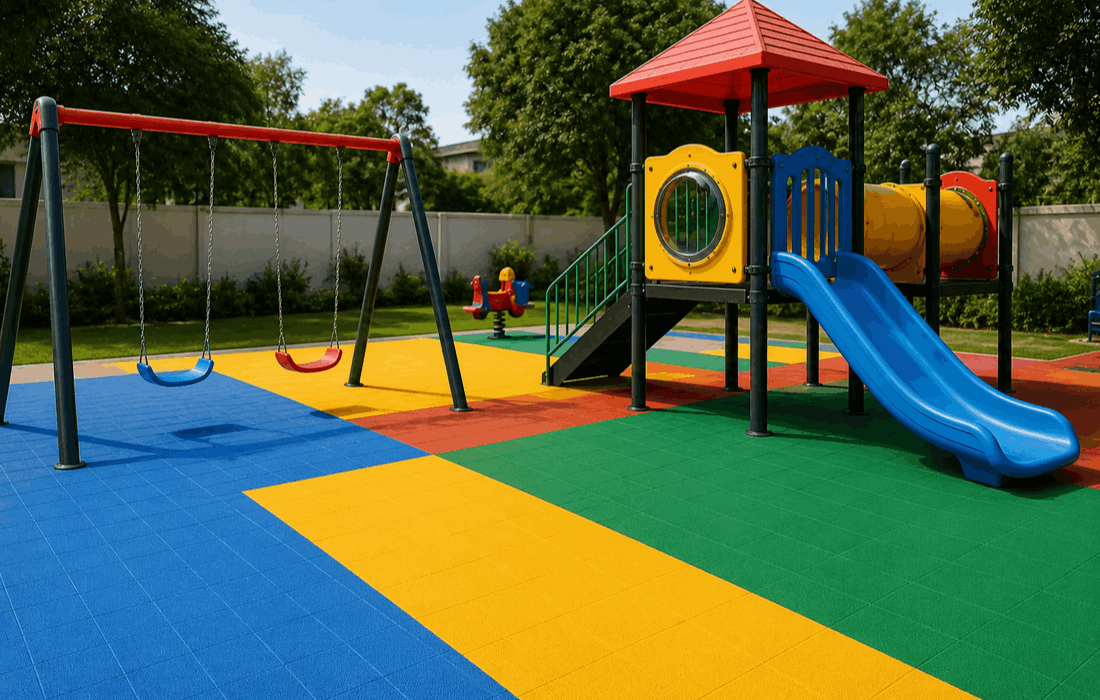
Compare modular playground tiles and rubber mats according to drainage, installation, comfort, cleaning and maintenance requirements.
Read Guide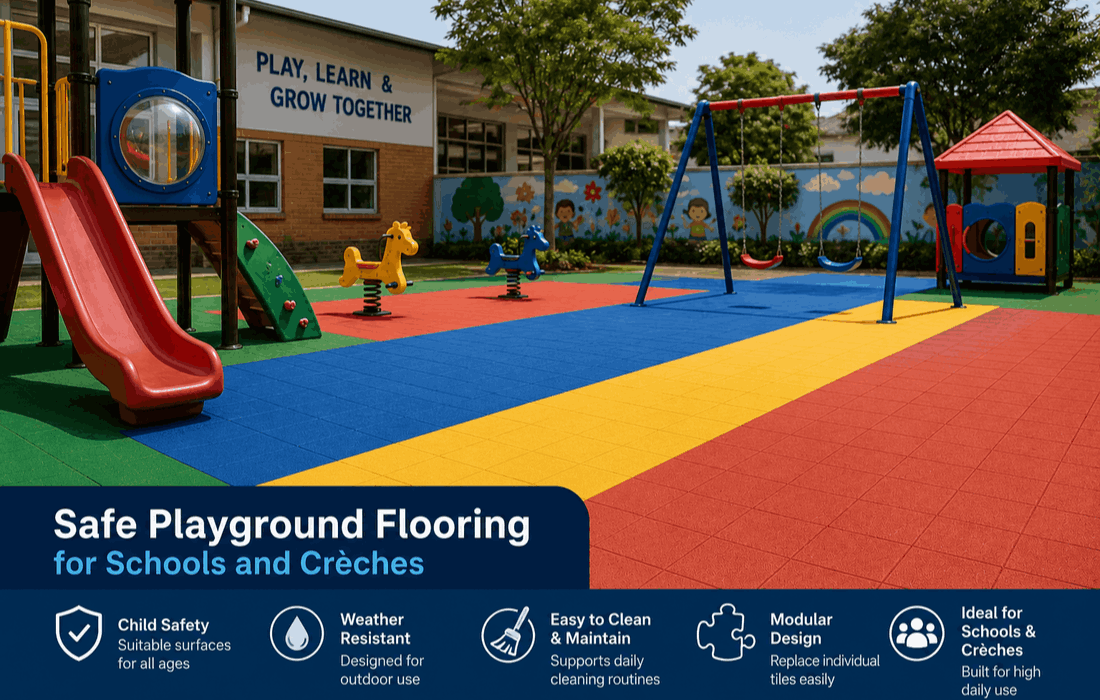
Learn which practical factors schools and childcare facilities should consider when planning playground and activity-area flooring.
Read Guide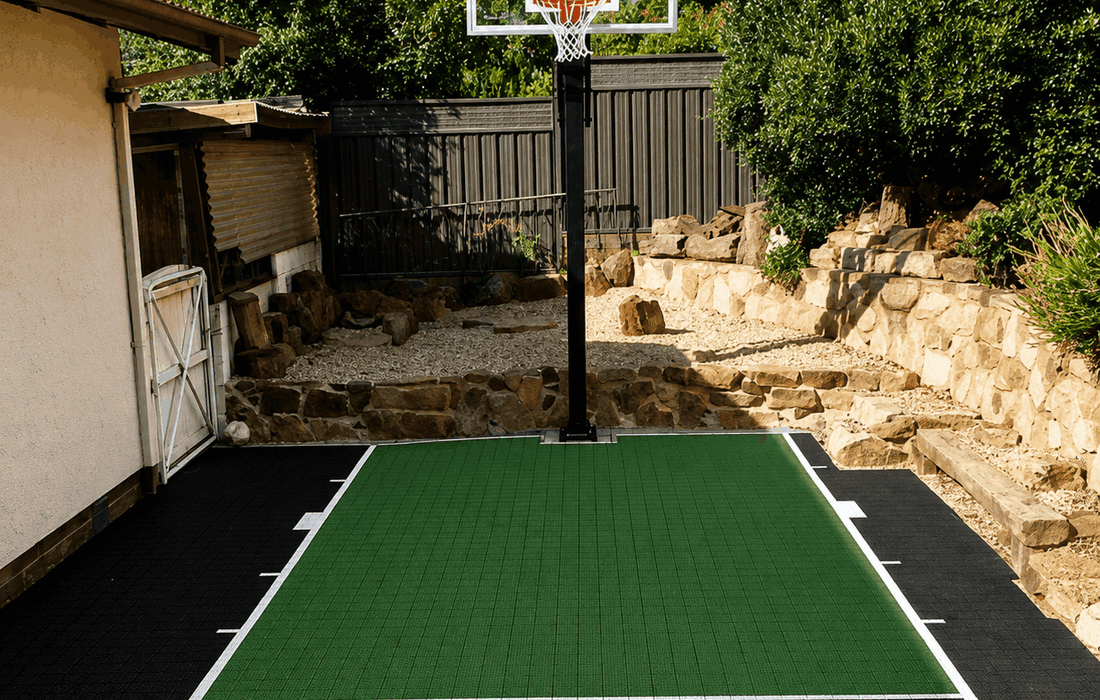
Explore practical flooring considerations for compact basketball, netball and general sports practice areas at residential properties.
Read Guide
Understand drainage, supporting-base, maintenance and installation factors when considering modular sports tiles for outdoor courts.
Read GuidePlayground tiles provide a practical modular flooring option for children’s activity areas, school play zones, crèches, home playrooms, recreation spaces and selected outdoor environments. They can be used to create colourful, easy-to-manage floor sections where children walk, sit, play and take part in supervised activities.
Choosing the correct playground flooring depends on the location, age group, activity level, supporting surface and whether the installation is indoors or outdoors. Some spaces need soft foam flooring for light indoor play, while other areas may require denser rubber tiles or ventilated modular tiles for stronger wear resistance and drainage.
PVC Floor Tile supplies different modular flooring products that may be considered for playgrounds, schools, recreation rooms and activity areas. The appropriate product should be selected according to the expected use, tile thickness, material and installation conditions.
Important: Playground tile suitability depends on the material, thickness, supporting surface and intended activity. Do not assume that every foam, rubber or PVC tile provides the same impact, outdoor or slip-performance characteristics.
Play areas are often used for running, walking, sitting, crawling, games and group activities. Hard surfaces such as concrete or ceramic tiles may be uncomfortable for floor-based play and can also become difficult to use when the area needs temporary colour zones or activity sections.
Playground tiles can create a more practical surface over a suitable base floor. Depending on the selected product, modular tiles may provide cushioning, textured grip, drainage, colour zoning or protection for the supporting floor.
The main benefit of modular flooring is that individual sections can often be installed, removed or replaced without changing the full floor. This is useful for schools, crèches and home play areas where layouts may change as children grow or activities are reorganised.
Before installation, confirm whether the selected playground tiles are intended for indoor use, outdoor use or both. Indoor foam products should not automatically be used outside, while outdoor modular tiles must be suitable for exposure to moisture, sunlight and changing temperatures.
There is no single playground flooring product that suits every application. Different materials provide different benefits, so customers should compare the products according to the activity and environment.
| Flooring option | Suitable areas | Main benefit | Important consideration |
|---|---|---|---|
| EVA Foam Playground Tiles | Indoor playrooms, bedrooms, classrooms and light activity spaces | Lightweight, soft and easy to reposition | Best for dry indoor use and light activity rather than heavy outdoor traffic |
| Rubber Playground Tiles | Higher-use play areas, school activity zones and selected recreation spaces | Denser surface with stronger wear resistance | Thickness and impact performance must match the intended application |
| Ventilated Modular Tiles | Wet areas, patios, pool surrounds and spaces needing drainage | Open-grid surface allows water and debris to pass through | The supporting floor must have suitable drainage |
| PVC Interlocking Tiles | Indoor recreation rooms, walkways and general activity areas | Durable modular floor with a neat appearance | Not every PVC tile is designed for outdoor play or fall protection |
Crèches and early learning centres need flooring that is practical, manageable and suitable for the activities taking place. Young children often sit, crawl, kneel and play close to the floor, so the surface should be selected with comfort and daily cleaning in mind.
Playground tiles may be used to create separate areas for toys, reading, supervised movement and group activities. Colour combinations can help divide a large room into smaller activity zones without building permanent partitions.
For indoor crèche spaces, lightweight EVA foam tiles may be suitable for light play and floor-based activities. Areas exposed to heavier traffic may require a denser product. The selected flooring should be checked regularly, and damaged or loose sections should be replaced.
Schools may use playground tiles in classrooms, indoor recreation rooms, covered activity areas, reading corners and selected outdoor spaces. The type of product should match the number of learners, frequency of use and type of activity.
A classroom reading corner may only need lightweight foam tiles, while a busy recreation area may require stronger rubber or PVC modular flooring. Outdoor school areas may need tiles that allow drainage and can handle weather exposure.
Colour zoning can also help schools organise movement paths, game sections or activity stations. Contrasting colours may define boundaries, while a coordinated colour layout can match the school’s branding.
Home playground tiles can be used in bedrooms, lounges, playrooms, covered patios and other areas where families want to create a dedicated play section.
Instead of changing the complete room floor, parents can cover only the area used for toys, reading or supervised play. Modular flooring can then be moved or expanded when the room layout changes.
Lightweight foam tiles are convenient for indoor home play areas, but heavier furniture, sharp items and high heels may mark the surface. Denser products should be considered where the floor will experience stronger traffic or equipment pressure.
Indoor and outdoor playground flooring have different requirements. Indoor areas are normally protected from rain and sunlight, while outdoor playground tiles may be exposed to water, dust, heat and temperature changes.
Indoor playground tiles should normally be installed over a clean, dry and reasonably level floor. Outdoor products should be suitable for weather exposure and installed on a base that allows water to drain away.
An open-grid tile may be useful for outdoor or wet environments because water can move through the tile surface. However, drainage tiles do not correct poor drainage beneath the floor. The base surface must still direct water away from the area.
Rubber playground tiles are denser and heavier than EVA foam tiles. They may be considered for higher-use activity areas where customers need a firmer floor with stronger wear resistance.
Rubber tiles are available in different thicknesses, sizes and surface styles. The correct thickness depends on the expected activity and the product’s tested performance. Customers should not assume that every rubber tile provides the same level of impact protection.
For modular rubber flooring options, browse our interlocking rubber tiles collection.
For playgrounds that also include courts, recreation zones or active movement areas, explore our sports flooring collection for modular flooring options suited to selected sports and multi-use activity spaces.
EVA foam tiles are soft, lightweight and easy to handle. They are often used for children’s bedrooms, indoor playrooms, classrooms and soft activity sections.
The interlocking puzzle design makes it possible to create a selected floor zone without glue or permanent fixing. Individual pieces can often be removed for cleaning or replaced when necessary.
EVA foam playground tiles are mainly intended for dry indoor use. They should not be used under heavy machinery, vehicles or demanding commercial equipment. Sharp objects and concentrated furniture pressure may leave marks in the foam.
Colour is an important part of many playground and school flooring projects. Bright colours can make activity spaces feel more welcoming, while different tile colours can define separate areas.
A playroom may use one colour for a reading zone, another colour for toys and a contrasting border around the perimeter. Schools may also create simple patterns, walkways or activity grids using different tile colours.
When planning a colour layout, check product availability before finalising the design. Dye lots and colour shades may vary between production batches, so it is usually better to order the required quantity for the full project at the same time.
Flooring for toddlers may have different requirements from flooring for older children. Consider the type of movement, supervision and equipment used in the space.
Only use outdoor products where the flooring is approved for weather exposure. Indoor foam flooring should normally remain in dry, protected areas.
The base should be stable, clean and reasonably level. Loose tiles, deep cracks or unstable surfaces should be repaired before the playground tiles are installed.
Light floor play may suit EVA foam, while higher-use recreation areas may require rubber, PVC or ventilated modular flooring.
Thickness affects floor height, cushioning, door clearance and edge transitions. Confirm the specification before ordering.
Raised modular floors may require suitable edge trims or ramp edging around exposed sides. Correct edging can create a cleaner perimeter and a more gradual transition to the surrounding floor.
Measure the length and width of the area in metres, then multiply the two measurements to calculate the floor area in square metres.
For example, an area measuring 5 metres by 4 metres covers 20 square metres. Compare this figure with the coverage supplied by each tile and add an allowance for cuts, corners and layout adjustments.
Many modular playground tiles are designed for straightforward installation, but the exact method depends on the material and product.
Regular cleaning helps maintain the appearance and condition of playground flooring. The cleaning method should match the material.
Outdoor open-grid tiles may also need cleaning underneath. Leaves, dirt and debris should not be allowed to block the supporting drainage path.
For independent guidance on playground surfacing standards and impact performance, refer to the U.S. Consumer Product Safety Commission playground surfacing guidance .
Playground tiles are used to create modular floor surfaces in children’s playrooms, crèches, schools, home activity areas, recreation spaces and selected outdoor play zones.
Many modular tiles can be installed over concrete when the surface is clean, stable and reasonably level. The product instructions should be checked first.
Only products designed for exterior use should be installed outdoors. EVA foam tiles are generally better suited to dry indoor areas.
EVA foam tiles may suit light indoor play, while denser rubber or PVC tiles may be considered for areas exposed to stronger wear.
Many interlocking tiles are installed without glue. The installation method depends on the exact product, base floor and application.
With many modular systems, individual tiles can be removed and replaced without lifting the complete floor.
Remove loose dirt regularly and clean the surface using a mild product compatible with the tile material. Avoid soaking indoor foam flooring.
Calculate the total floor area in square metres and divide it by the coverage supplied per tile or pack. Add an allowance for cuts and layout changes.
PVC Floor Tile supplies modular flooring options for schools, crèches, children’s playrooms, community centres, home activity zones and selected recreation areas across South Africa.
Send us the dimensions, installation location, age group, supporting floor and intended activity so that suitable playground tiles and quantities can be compared.
The correct playground flooring should be selected according to the environment rather than colour alone. Confirm whether the project requires soft indoor foam, denser rubber flooring, PVC modular tiles or ventilated outdoor tiles before placing the order.
Send us your measurements, photographs, installation location and intended activity for product guidance and a quotation.
