
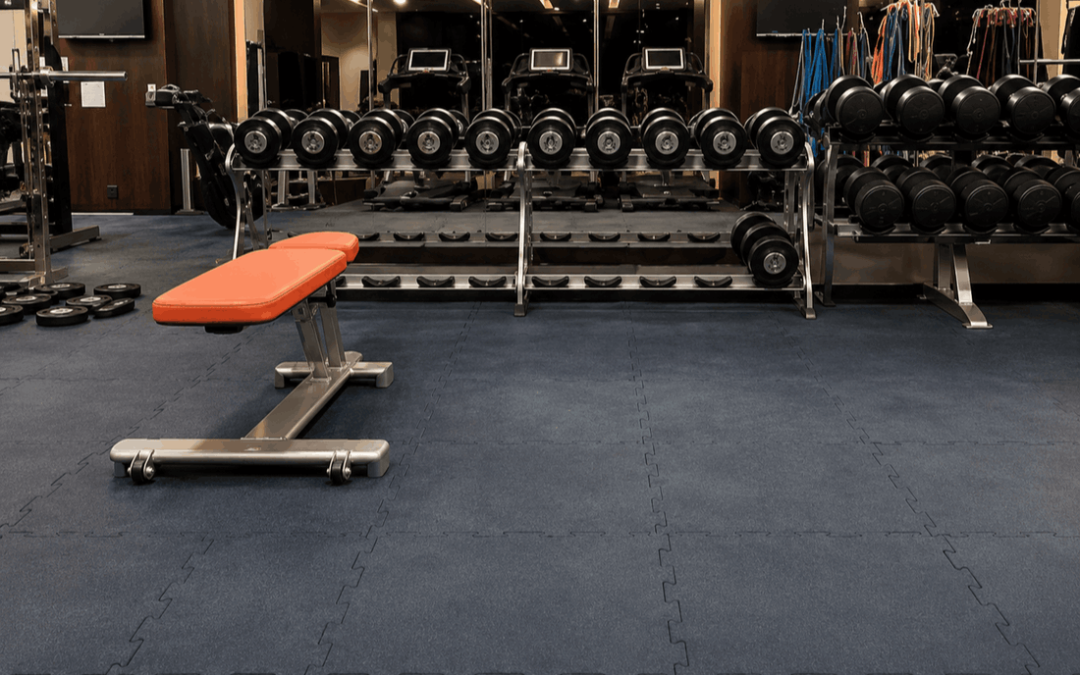
Choosing a floor suitable for fitness room use is important because a training area needs more than a normal decorative surface. The floor must support movement, comfort, grip, equipment, sweat, cleaning and daily exercise activity without becoming unsafe or difficult to maintain.
A fitness room can be used for stretching, cardio, weights, yoga, functional training or mixed home workouts. Because every exercise style creates different pressure on the floor, the right surface should match the way the room will be used.
What Floor Is Suitable for a Fitness Room?
A floor suitable for fitness room training should provide grip, comfort, impact support, easy cleaning and enough strength for the equipment used in the space.
Rubber Mats
Best for weights, machines and high-impact training areas.
Interlocking Gym Tiles
Good for modular fitness rooms that need easy installation.
PVC Tiles
Suitable for mixed-use rooms that need easy cleaning and durability.
Foam Mats
Better for stretching, yoga and light exercise areas.
What Makes a Fitness Room Floor Suitable?
Best Flooring Options for Fitness Rooms
The best floor suitable for fitness room spaces depends on whether the area is used for light exercise, heavy weights, home training or commercial fitness activity. The more impact and equipment the room has, the stronger the floor should be.
Rubber Mats
Rubber mats are one of the best choices for fitness rooms because they offer comfort, grip and impact support. They work well for weights, machines, cardio areas and general training spaces.
For areas that need stronger impact protection, view our rubber mats for gym areas.
PVC Tiles
PVC tiles can work well in mixed-use fitness rooms where easy cleaning, durability and a neat finish are important. They are also useful where the room may be used for more than exercise.
You can also explore our broader PVC flooring options for practical flooring ideas.
Foam Mats
Foam mats are suitable for light exercise, yoga, stretching and children’s activity areas. They are soft and comfortable but may not be the best choice for heavy weights or machines.
Interlocking Gym Tiles
Interlocking gym tiles are useful because they are easy to install, easy to expand and simple to replace if one section becomes worn or damaged.
Flooring by Fitness Activity
A floor suitable for fitness room use should match the activity in the room. A yoga room needs comfort and softness, while a weight-training area needs stronger impact protection.
Yoga and Stretching
Choose softer flooring that feels comfortable under knees, hands and feet.
Cardio Training
Choose flooring with grip and enough comfort for repeated movement.
Weight Training
Choose dense rubber mats or gym tiles that can support equipment and impact.
Functional Training
Choose flooring that balances grip, durability, comfort and easy cleaning.
Home Fitness Room vs Commercial Fitness Room
Home Fitness Rooms
Home fitness rooms are often set up in garages, spare rooms or small studios. The floor should be easy to install, comfortable and practical for the type of workouts done at home.
Commercial Fitness Rooms
Commercial fitness rooms need stronger flooring because more people use the space daily. These areas need flooring that can handle equipment, repeated cleaning and heavier traffic.
School Fitness Rooms
School fitness rooms need practical flooring that can support activity, cleaning and frequent movement while still being comfortable for learners.
How to Choose the Right Thickness
Choosing a floor suitable for fitness room activities also means checking the thickness and density of the flooring. Thicker flooring usually offers better impact support, while denser flooring improves durability under equipment.
| Fitness Use | Flooring Direction | Best Benefit |
|---|---|---|
| Stretching and yoga | Foam mats or soft fitness mats | Comfort and cushioning |
| Cardio and light workouts | Rubber mats or PVC tiles | Grip and easy cleaning |
| Free weights | Dense rubber gym mats | Impact support and floor protection |
| Commercial gym use | Heavy-duty rubber or gym flooring tiles | Durability and long-term value |
Checklist Before Choosing a Fitness Room Floor
A floor suitable for fitness room planning should be checked against the real activity in the space. Before buying, look at the type of training, equipment weight, cleaning needs and comfort level required.
- Will the room be used for light exercise or heavy training?
- Will dumbbells, benches, racks or cardio machines be used?
- Does the floor need impact absorption?
- Does the room need easy cleaning after sweat and dust?
- Is the surface safe enough for movement and exercise?
- Will the flooring be installed permanently or moved later?
Installation and Maintenance Tips
Before installation, make sure the subfloor is clean, dry and level. Dust, loose grit, oil marks and uneven areas can affect how mats or tiles sit on the floor.
For more practical guidance, read our tile fitting and care tips. Good preparation and regular cleaning help fitness room flooring last longer and perform better.
Before Installation
Sweep, vacuum and check the floor level before placing tiles or mats.
During Use
Clean sweat, dust and spills quickly to keep the surface hygienic and safe.
Long-Term Care
Avoid dragging heavy equipment and inspect high-use areas regularly.
Safety and Movement in Fitness Rooms
Flooring can improve comfort and support, but the room must also be kept clean, dry and free from loose objects. A safe fitness room depends on good layout, suitable equipment placement and regular cleaning.
For broader health and exercise information, the World Health Organization provides useful safe physical activity guidance that supports the importance of regular and suitable movement.
Common Mistakes to Avoid
Choosing Looks Only
A fitness room floor must perform well, not only look good.
Ignoring Equipment Weight
Heavy equipment needs stronger and denser flooring.
Using Thin Mats for Heavy Training
Thin mats may not give enough support for weights or machines.
Skipping Cleaning
Sweat, dust and grit can reduce grip and make the floor look poor.
Frequently Asked Questions
What floor is suitable for a fitness room?
Rubber mats, interlocking gym tiles, PVC tiles and foam mats can all work depending on the type of exercise and equipment used.
Are rubber mats good for fitness rooms?
Yes. Rubber mats are a strong choice because they offer grip, comfort, impact support and durability.
Can PVC tiles be used in a fitness room?
Yes. PVC tiles can work well in mixed-use fitness rooms where easy cleaning and a neat finish are important.
Are foam mats suitable for heavy weights?
Foam mats are better for light exercise, stretching and yoga. Heavy weights usually need stronger rubber flooring.
Final Thoughts
A floor suitable for fitness room use should offer the right balance of comfort, grip, durability, impact support and easy cleaning. The best option depends on whether the room is used for yoga, cardio, weights, machines or mixed training.
Choosing a floor suitable for fitness room spaces becomes easier when you match the floor to the activity. Look at equipment weight, cleaning needs, subfloor condition and long-term performance before making a final choice.
Find the Right Floor for Your Fitness Room
Speak to PVC Floor Tile for help choosing gym flooring, rubber mats, PVC tiles and practical flooring options for home and commercial fitness rooms.
Contact Us for Flooring Advice