
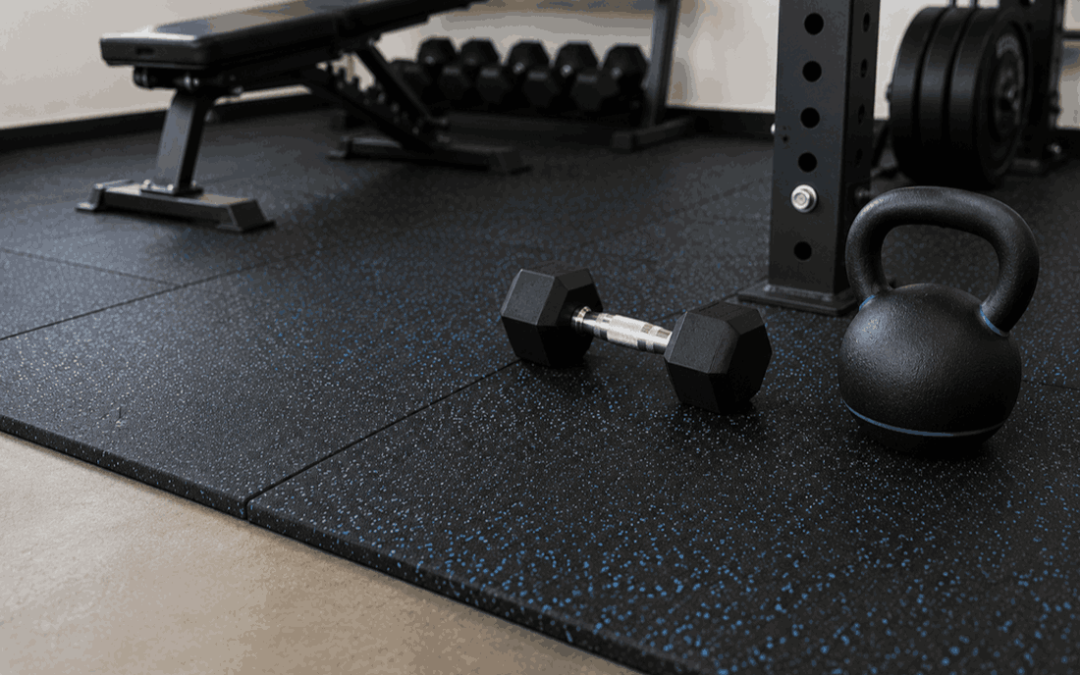
Rubber mats for noise reduction are a practical choice for gyms, workshops, training rooms and busy work areas where impact sound, vibration and floor noise can become a problem. Heavy footsteps, dropped weights, moving equipment, tools and machines can all create noise that travels through hard floors. The right rubber matting helps absorb some of that impact, protect the floor underneath and make the space feel more controlled. For areas that need stronger grip, comfort and sound support, explore our sound absorbing rubber mats for busy spaces.
Noise in a gym or work area is not only annoying. It can make the space feel harsh, uncomfortable and less professional. In commercial spaces, repeated noise from equipment, weights, trolleys or tools can affect staff, customers and nearby rooms. In home gyms, noise can travel through floors and walls, especially when the gym is in a garage, spare room or upstairs area.
Rubber mats cannot make every space completely silent, but they can help reduce impact noise and vibration when used correctly. They work best when placed under equipment, in weight zones, at workstations or across areas where people move and train regularly.
Why Rubber Mats Help Reduce Noise
Rubber is useful for noise control because it creates a softer, more forgiving layer between the activity and the hard floor. When weights, machines, tools or shoes hit a hard surface directly, the impact can create a sharp sound. Rubber mats help reduce that direct contact.
Rubber mats for noise reduction are especially useful where sound comes from impact rather than normal conversation. This includes dropped weights, moving benches, treadmill vibration, machine feet, workshop tools and heavy foot traffic.
Noise problems rubber mats can help with
- Weights hitting hard floors
- Treadmill and gym machine vibration
- Footstep noise in busy areas
- Tools or equipment moving on concrete
- Benches, racks and machines shifting
- General impact noise in active rooms
Where rubber mats work best
- Home gyms and garage gyms
- Commercial gym weight areas
- Workshop standing zones
- Training rooms and studios
- Equipment rooms
- Busy walkways and work areas
Rubber Mats for Noise Reduction in Gyms
Gyms are one of the most common places where rubber mats are used for sound control. Weights, benches, racks, treadmills and exercise machines can all create noise when placed directly on hard floors. A concrete or tiled floor can make this noise feel louder because there is very little cushioning between the equipment and the surface.
In gym areas, rubber mats for noise reduction can help soften the impact from movement and equipment. They are useful under treadmills, exercise bikes, benches, dumbbell zones and free-weight areas. They also help protect the original floor from marks and pressure.
For larger training spaces, view our gym flooring for noise and vibration control.
Quick Gym Flooring Tip
Use rubber mats in the areas that create the most impact first. In most gyms, this means weight zones, equipment areas, treadmill spaces and places where benches or dumbbells are used often.
Sound Absorbing Rubber Mats for Work Areas
Work areas can also become noisy when staff use tools, machines, trolleys or equipment on hard floors. A workshop, packing area or production space may have repeated impact sounds throughout the day. This can make the environment feel uncomfortable and harder to manage.
Sound absorbing rubber mats are useful because they help reduce the harsh contact between the floor and the activity above it. They can be placed at workstations, tool benches, packing areas and standing zones where noise happens often.
Work areas that can benefit include:
- Workshop benches and tool zones
- Packing and dispatch areas
- Machine standing areas
- Assembly stations
- Garage workspaces
- Training and practical rooms
- Commercial work areas with hard floors
Rubber Mats for Vibration Control Under Equipment
Rubber mats for vibration control are helpful under equipment that creates movement during use. Treadmills, exercise bikes, small machines, compressors, benches and other equipment can vibrate or shift slightly on hard flooring. This can create noise and may also mark the floor over time.
A rubber mat provides a more stable surface under equipment. It can help reduce vibration transfer into the floor and make the equipment area feel more controlled. The mat should be large enough so the full equipment footprint sits on the rubber surface.
Check the source
Identify where the noise comes from: weights, machines, footsteps, tools or equipment movement.
Choose the area
Place mats in the loudest zones first, especially under equipment and impact areas.
Match the thickness
Use thicker or stronger mats for heavier equipment, weights and harder working spaces.
Do Rubber Mats Block All Noise?
Rubber mats for noise reduction help with impact sound and vibration, but they do not block all noise completely. They are not the same as full acoustic wall or ceiling treatment. Instead, they reduce the noise that comes from contact with the floor.
For example, rubber mats can help reduce the sound of a dumbbell being placed down, but they will not stop music, voices or machine motor noise from travelling through a room. They work best as part of a practical flooring and layout plan.
Simple rule: Rubber mats help most with impact noise from the floor. For airborne noise like voices or music, other acoustic solutions may also be needed.
How Thick Should Rubber Mats Be for Noise Reduction?
Thickness matters because heavier activity needs stronger floor protection. Light walking areas may only need basic matting, but gym weights, treadmills and workshop equipment usually need thicker or more durable mats.
If the mat is too thin, it may not reduce impact sound enough in heavy-use areas. If the area uses weights, machines or tools, choose matting that can handle pressure and repeated contact.
Choose thicker mats for:
- Weight training zones
- Treadmills and cardio machines
- Workshop tool areas
- Standing workstations
- Garage gyms
- Heavy equipment areas
- Rooms with hard concrete floors
Best Places to Install Rubber Mats for Noise Control
Rubber mats do not always need to cover the entire room. In many cases, the best approach is to place them where the noise starts. This can save cost while still improving the most active areas.
Gym noise zones
- Under treadmills
- Under exercise bikes
- Weight training corners
- Dumbbell and kettlebell areas
- Benches and racks
- Stretching and movement zones
Work area noise zones
- Work benches
- Tool stations
- Packing tables
- Machine feet
- Walkways with heavy foot traffic
- Garage and workshop corners
Cleaning and Safety Tips
Rubber mats should be kept clean and dry so they continue working properly. Dust, dirt and moisture can affect the surface and make the area less comfortable to use. Regular cleaning also helps maintain grip.
For general guidance on slips and trips in busy spaces, read the Health and Safety Executive on preventing slips and trips. Clean floors, clear walkways and suitable mat placement all help support safer working areas.
Simple maintenance tips:
- Sweep or vacuum mats regularly.
- Damp mop with a mild cleaner when needed.
- Clean spills quickly.
- Check that mats stay flat and secure.
- Avoid dragging sharp equipment across the surface.
- Clean under movable mats from time to time.
- Replace damaged mats when they no longer protect the floor properly.
Final Advice on Rubber Mats for Noise Reduction
Rubber mats for noise reduction are useful for gyms, workshops, training rooms and work areas where impact, equipment movement and vibration create floor noise. They help by adding a protective layer between the activity and the hard floor underneath.
For gyms, use rubber mats under equipment, weights and movement zones. For work areas, place mats near benches, tools, machines and high-use spaces. The right mat can help reduce noise, improve comfort, protect the floor and make the area easier to manage.
The best results come from matching the mat to the space. Choose the right size, thickness and placement based on the type of noise, the equipment used and how often the area is active.
Need Help Choosing Rubber Mats for Noise Reduction?
PVC Floor Tile supplies rubber mats and gym flooring options for gyms, workshops, training rooms, garages and commercial work areas across South Africa. Speak to our team for help choosing the right mat type, thickness and layout for your space.
Contact Us