
Anti-Static Leather Finish Work Mat – 500 × 500 × 5mm
Compact leather-finish rubber mat designed for workstations, equipment zones and selected anti-static floor applications.
R174,75 – R437,68
Explore durable rubber mats and rubber flooring for gyms, workshops, warehouses, entrances and demanding commercial spaces across South Africa.
Compact leather-finish rubber mat designed for workstations, equipment zones and selected anti-static floor applications.
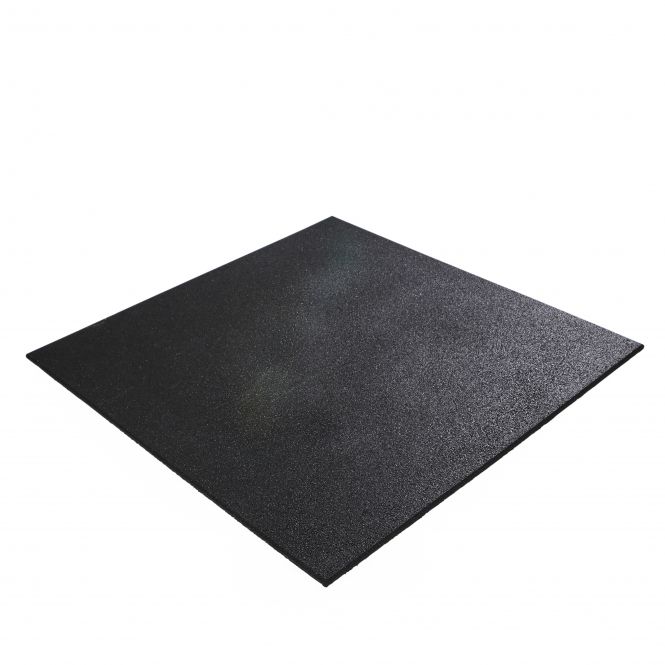
Dense rubber mat for supporting equipment, reducing floor contact damage and creating a stable protective surface.

Flexible EPDM rubber sheeting supplied per metre for protection, lining, sealing and general industrial applications.

Raised bubble rubber mat designed to improve standing comfort at workstations, service counters and production areas.

Open-grid drainage mat that supports airflow and water movement in garages, wash areas and practical wet zones.

Strong coin-pattern rubber mat for workshops, production areas, machinery zones and heavy-use commercial floors.

Large modular comfort mat for industrial workstations, standing zones and areas requiring improved underfoot support.

High-visibility anti-fatigue mat with raised bubbles and yellow edging for industrial standing and workstation areas.

Textured rubber entrance mat designed to help trap dirt and provide a practical surface at busy doorways.
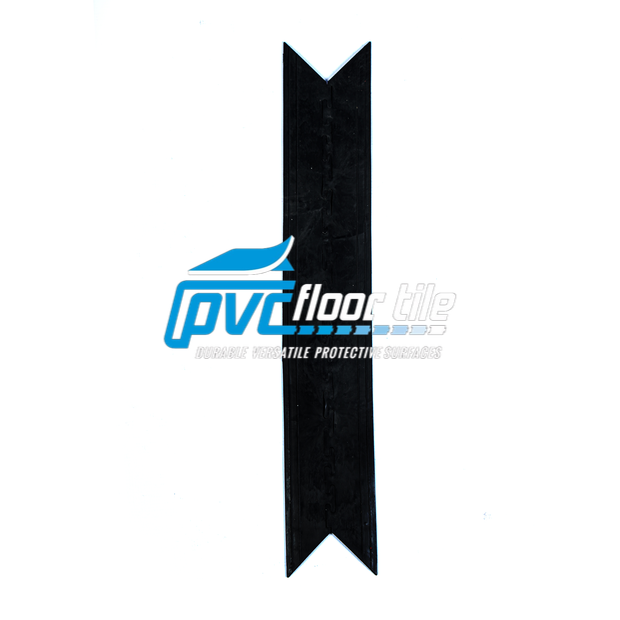
Rubber edging pieces for creating a neater floor transition around compatible modular rubber mat installations.
Safe online payments through Payfast for fast, trusted and secure checkout.
Visit our showrooms in Randburg, Durban and Cape Town for product viewing and collection.
Reliable nationwide delivery through The Courier Guy to major cities and surrounding areas.
Proudly supplying locally manufactured flooring solutions built for South African conditions.
PVC Floor Tile supplies heavy-duty rubber mats for workshops, factories, warehouses, gyms, garages, workstations, entrances and commercial spaces across South Africa.
Our rubber matting range includes products for floor protection, standing comfort, impact areas, equipment zones, entrances and selected wet-area applications. The correct mat should be chosen according to traffic, equipment weight, impact, moisture, surface grip and cleaning requirements.
Customers can contact PVC Floor Tile for assistance with product selection, dimensions, quantities, pricing and delivery across South Africa.
PVC Floor Tile supplies rubber mats for residential, commercial and industrial applications throughout South Africa. Available options include heavy-duty mats, gym mats, workshop mats, industrial mats, drainage mats, anti-fatigue mats and other rubber floor-protection products.
The best option depends on how the area will be used. A gym equipment zone requires different rubber flooring from a wet entrance, standing workstation or factory production area.
PVC Floor Tile supplies heavy-duty rubber mats and rubber flooring products for customers across South Africa. Products can be selected for gyms, workshops, factories, warehouses, garages, commercial work areas and selected industrial applications.
For larger projects, provide the dimensions of the area, equipment details, traffic level and intended application so the appropriate matting options can be compared.
The best rubber mats for heavy-duty areas are generally dense products selected according to the load, traffic, impact and working environment. High-density rubber is useful where machinery, equipment, tools or repeated movement place additional pressure on the floor.
Thickness alone should not determine the choice. Rubber type, density, surface pattern, equipment loads, chemical exposure and installation conditions are also important.
PVC Floor Tile supplies industrial rubber mats for factories, workshops, warehouses, workstations and commercial environments in South Africa. Customers can order according to the application and arrange delivery depending on the project location.
If the application involves heavy machinery, chemicals, oils or unusually high traffic, send the project details before ordering so the rubber grade and format can be checked.
Workshops can use heavy-duty textured rubber mats around benches, maintenance stations, tool areas, machinery and standing work zones. Rubber can provide floor protection, practical grip and additional comfort where employees spend long periods standing.
Where oils, fuel or chemicals are present, the exact rubber grade should be checked for compatibility rather than choosing a mat only by thickness.
Heavy-duty rubber mats and anti-fatigue mats can be suitable for selected factory workstations, production lines, packing areas, machine zones and maintenance points.
Rubber mats are most useful where targeted protection, grip or standing comfort is needed. Full production floors, forklift routes and constant pallet traffic may require a specialist flooring system rather than loose mats alone.
High-traffic areas generally require dense, durable rubber flooring suited to repeated pedestrian movement and the loads expected in the space. Heavy-duty rubber mats can work well in targeted high-use areas, while rubber rolls or modular rubber tiles may be more appropriate where broader continuous coverage is required.
The final choice should consider traffic type, cleaning frequency, equipment, moisture, floor condition and whether people, trolleys or other loads move through the area.
Textured rubber mats can provide useful underfoot grip, but slip resistance depends on the exact product, surface pattern, footwear, contaminants, moisture and cleaning condition.
Coin, checker, ribbed, studded and other textured surfaces can support traction in suitable applications. Where a workplace or commercial project requires a specific slip rating, confirm tested performance for the exact product rather than assuming all rubber mats perform the same way.
PVC Floor Tile supplies textured rubber mats for workshops, entrances, standing areas, factories and other commercial applications across South Africa.
When choosing an anti-slip rubber mat, consider whether the surface will be dry, damp, oily or exposed to cleaning liquids. The correct surface pattern and rubber material depend on the actual conditions.
Many rubber mats resist water and can tolerate normal exposure to moisture, but this does not mean every rubber mat is suitable for permanent wet conditions or standing water.
Solid rubber mats do not provide drainage by themselves. Water that reaches the surface may remain around or underneath the mat unless the floor is designed to drain correctly.
Selected rubber mats can be used in wet or damp areas when the product is suitable for that environment. For entrances, wash areas and locations where water needs to pass through the walking surface, an open-hole drainage mat may be more practical than a solid rubber mat.
For more dedicated drainage applications, compare our ring mats and duckboard tiles and mats .
Dense heavy-duty rubber mats are generally more suitable beneath heavy equipment than lightweight mats. The mat should be selected according to equipment weight, size of the equipment feet, vibration, movement and how long the load will remain in one position.
Heavy equipment creates concentrated point loads, so thickness alone is not enough. Density and compression resistance should also be considered.
Rubber mats can help reduce some vibration and impact noise created by machines, gym equipment, tools and repeated movement.
Performance depends on mat thickness, density, equipment weight, installation and the structure of the building. Rubber mats should not be treated as complete soundproofing, but they can provide a useful resilient layer between equipment and the supporting floor.
Yes. Many loose-laid rubber mats can be installed directly over a clean, dry, firm and reasonably level concrete floor.
Before installation, remove dust, grit, oil, loose material and standing water. Significant cracks, severe unevenness or moisture problems should be addressed before covering the floor.
Rubber mats can be useful in garages for workstations, equipment zones, garage gyms, tool areas, storage sections and selected floor-protection areas.
If vehicles will regularly drive and park directly on the flooring, confirm that the specific rubber mat is designed for that use. For complete vehicle floor coverage, compare our garage flooring options.
Yes. Most rubber mats are straightforward to maintain when the correct cleaning method is used. Loose dirt can normally be swept or vacuumed, and many mats can be cleaned with water and a mild compatible detergent.
Loose-laid mats should also be lifted periodically where necessary so the supporting floor can be cleaned and dried.
Start by removing loose dirt, dust and grit. Mop or wipe the mat with clean water and a mild detergent suitable for the rubber product. Outdoor or drainage mats may be rinsed where appropriate.
The service life of a heavy-duty rubber mat depends on the rubber quality, thickness, density, traffic, equipment loads, exposure to chemicals, sunlight, cleaning and installation conditions.
A mat used in a light standing area may experience far less wear than the same product used beneath machinery or in a busy industrial environment. Regular cleaning and replacing damaged sections can help extend the useful life of the flooring.
Rubber mats are one of the most practical and reliable floor protection solutions for gyms, garages, workshops, factories, warehouses, entrances, standing workstations and commercial spaces.
They are used where ordinary concrete, tiles, screed or painted floors need extra grip, cushioning, impact support, noise reduction and protection against daily wear.
At PVC Floor Tile, we supply rubber mats for homes, businesses, fitness spaces, industrial environments and commercial projects across South Africa.
This collection is suitable for customers looking for heavy-duty rubber mats, rubber floor mats, industrial rubber mats, gym rubber mats, garage rubber mats, workshop rubber mats, drainage rubber mats and practical rubber matting for demanding areas.
Rubber floor mats combine strength, flexibility and everyday practicality. Concrete, tiles and painted floors can become slippery, noisy, uncomfortable or vulnerable to marks and daily wear. Rubber matting creates a resilient protective layer over the supporting floor.
In busy environments, workers may stand for long shifts, gym equipment can create vibration, tools may fall and trolleys may move repeatedly through work areas. Rubber mats help manage selected high-use zones without requiring a complete flooring replacement.
Key advantages include:
| Rubber Flooring Option | Best For | Main Benefit | Surface Format | Recommended Use |
|---|---|---|---|---|
| Rubber Mats | Gyms, garages, workshops, factories, entrances and workstations | Provides resilience, grip and targeted floor protection | Loose-lay or selected-area mat format | Specific high-use areas where protection or comfort is needed |
| Rubber Rolls | Large walkways, gym zones and work areas | Provides broader continuous rubber coverage | Roll format | Larger areas where fewer joins are preferred |
| Interlocking Rubber Floor Tiles | Connected gym, work and commercial rubber floors | Creates a joined modular rubber surface | Interlocking format | Where a connected floor is preferred instead of loose mats |
| Drainage Rubber Mats | Entrances, wet zones and outdoor access points | Allows water and dirt to move through openings | Open-hole drainage surface | Wet or muddy areas requiring drainage |
| Anti-Fatigue Rubber Mats | Standing workstations, counters and packing areas | Provides additional underfoot resilience | Cushioned rubber mat | Work areas where staff stand for extended periods |
Heavy-duty rubber mats are designed for spaces where the floor faces repeated use. They can be used in selected industrial environments, workshops, factories, warehouse areas, gym zones and commercial workspaces.
They help reduce direct contact between the base floor and equipment, tools, benches or repeated pedestrian activity.
Rubber mats are widely used in gym environments because they provide a resilient layer beneath machines, benches, racks and weights.
For dedicated fitness projects, compare our gym flooring collection for options designed around home and commercial training spaces.
Garages are often used for parking, storage, workshops and training. Rubber mats can be positioned in selected workstations, tool areas, equipment zones and garage gym sections.
Where the garage needs complete vehicle-floor coverage, compare our garage flooring collection .
Workshop rubber mats can be used around tool benches, maintenance zones, packing stations and selected equipment areas where floor protection and standing comfort are priorities.
Where oils, fuels or chemicals are present, choose the rubber grade according to chemical compatibility rather than assuming all rubber materials will perform the same way.
Factory rubber mats can be useful around production workstations, packing areas, machine zones and maintenance points.
For forklift routes or constant pallet traffic, a specialist flooring system may be more appropriate than loose rubber mats.
Entrance and drainage rubber mats help manage water, dirt and mud at building access points. Open-hole mats allow moisture and debris to move through the surface.
For more dedicated wet-area drainage applications, compare Duckboard Tiles and Mats .
| Feature | What to Check | Why It Matters |
|---|---|---|
| Thickness | 3mm to 20mm+ options may be available | Thickness influences cushioning and floor protection |
| Material | SBR, natural rubber, EPDM, nitrile or recycled rubber | Different rubber types suit different environments |
| Surface Finish | Stud, coin, checker, ribbed, diamond, smooth or drainage pattern | Surface design affects grip, cleaning and appearance |
| Density | Check density for equipment and heavier-duty areas | Higher density can reduce compression under load |
| Water Resistance | Confirm suitability for wet or damp areas | Important for entrances and wash areas |
| Chemical Resistance | Confirm compatibility with oils, fuels or chemicals | Important for workshops and factories |
| Installation Type | Loose-lay, roll format, adhesive or modular installation | Affects stability, replacement and maintenance |
Rubber mats are usually straightforward to install, especially loose-laid products. The supporting floor should be clean, dry, firm and reasonably level.
Rubber mats are generally low maintenance, but regular cleaning helps preserve the surface and maintain practical grip.
PVC Floor Tile supplies heavy-duty rubber mats for gyms, garages, workshops, factories, warehouses and commercial work areas across South Africa.
PVC Floor Tile supplies rubber mats for residential, commercial and industrial applications throughout South Africa.
PVC Floor Tile supplies heavy-duty rubber matting for selected gym, workshop, factory, warehouse and commercial applications.
Dense heavy-duty rubber mats are generally better suited to demanding areas. Select the product according to equipment load, traffic, impact, rubber type and environmental conditions.
Heavy-duty textured rubber mats can be used around workbenches, tool areas, maintenance stations and selected machinery zones. Chemical compatibility should be checked where oils or fuels are present.
Heavy-duty and anti-fatigue rubber mats can be suitable for workstations, production lines, packing zones and selected machine areas.
Dense rubber mats, rolls or modular rubber flooring can be suitable, depending on whether targeted or continuous floor coverage is required.
Textured rubber mats can provide useful grip, but slip performance depends on surface design, footwear, contaminants and maintenance. Confirm a tested rating where required.
Many rubber mats resist water, but solid mats do not provide drainage. Product suitability should be confirmed for permanently wet environments.
Yes, selected products can. Open-hole drainage mats are generally more practical where water needs to move away from the walking surface.
Dense heavy-duty rubber mats are generally more suitable beneath heavy equipment. Density, thickness and concentrated point loads should all be considered.
PVC Floor Tile supplies textured rubber mat options for workshops, entrances, factories, workstations and other suitable commercial areas.
Yes. Most rubber mats can be swept, vacuumed or cleaned with water and a suitable mild detergent.
Remove loose dirt first, then clean with water and a mild compatible detergent. Avoid harsh solvents unless they are approved for the exact rubber product.
Lifespan depends on rubber quality, density, traffic, equipment loads, chemicals, sunlight, cleaning and maintenance. More demanding environments generally create faster wear.
Yes. Many rubber mats can be installed over clean, dry, stable and reasonably level concrete.
Yes, for selected workstations, tool areas, garage gyms and floor-protection zones. Confirm vehicle suitability before using a rubber mat directly under regular vehicle traffic.
Rubber mats can help reduce some impact noise and vibration from machines, tools and gym equipment. Performance depends on thickness, density and the installation.
PVC Floor Tile supplies rubber mats for gyms, garages, workshops, factories, warehouses, entrances and commercial work areas across South Africa.
Browse the Rubber Mats collection to compare available sizes, thicknesses, surface finishes and applications, or contact the PVC Floor Tile team for help choosing a suitable product for your project.
Explore practical guidance on choosing rubber mats for gyms, garages, workshops, factories, warehouses, entrances and demanding work areas.
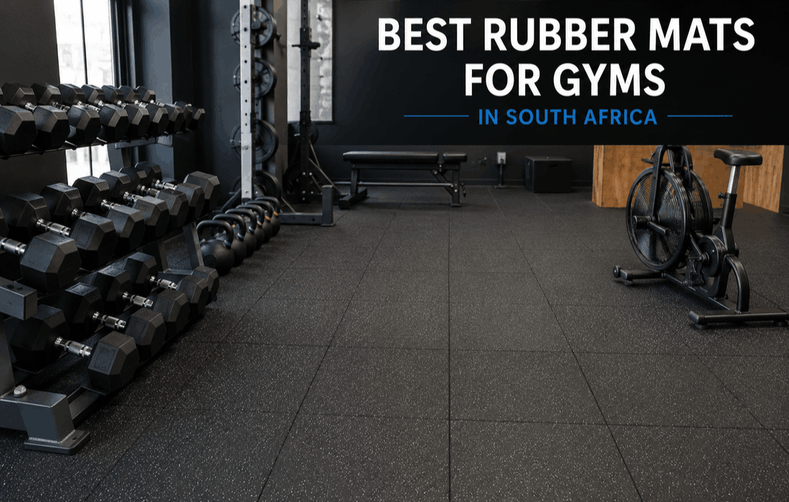
Compare practical rubber mat options for home gyms, commercial fitness spaces, equipment zones and strength-training areas.
Read Guide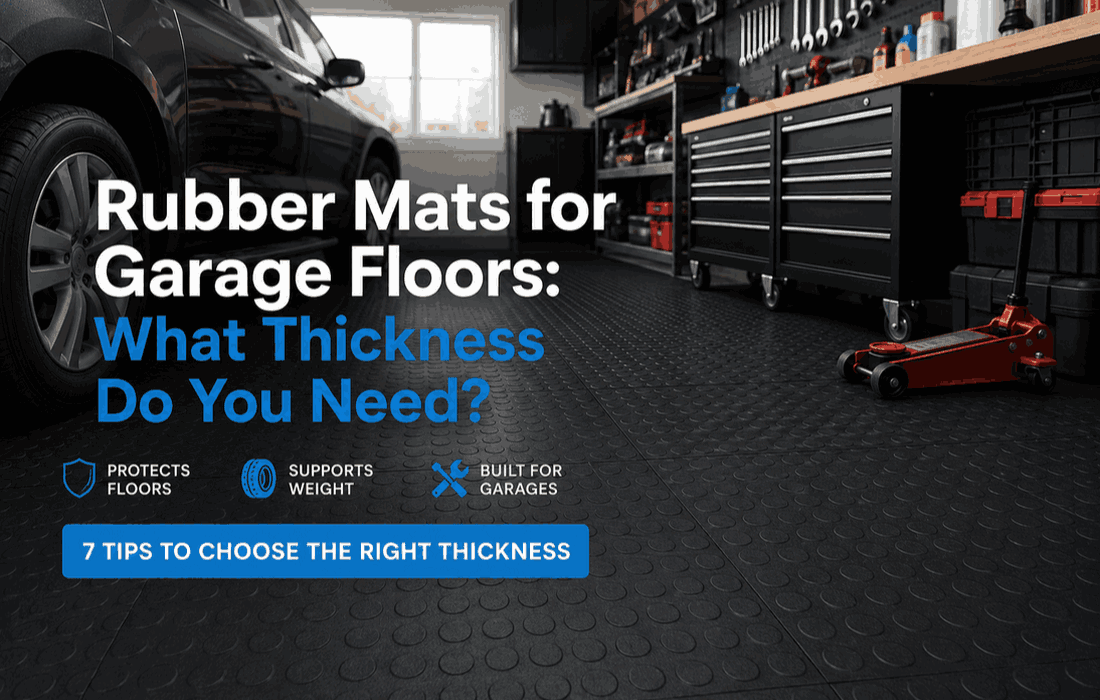
Learn how thickness, traffic, vehicle use and equipment weight affect the right rubber mat choice for a garage floor.
Read Guide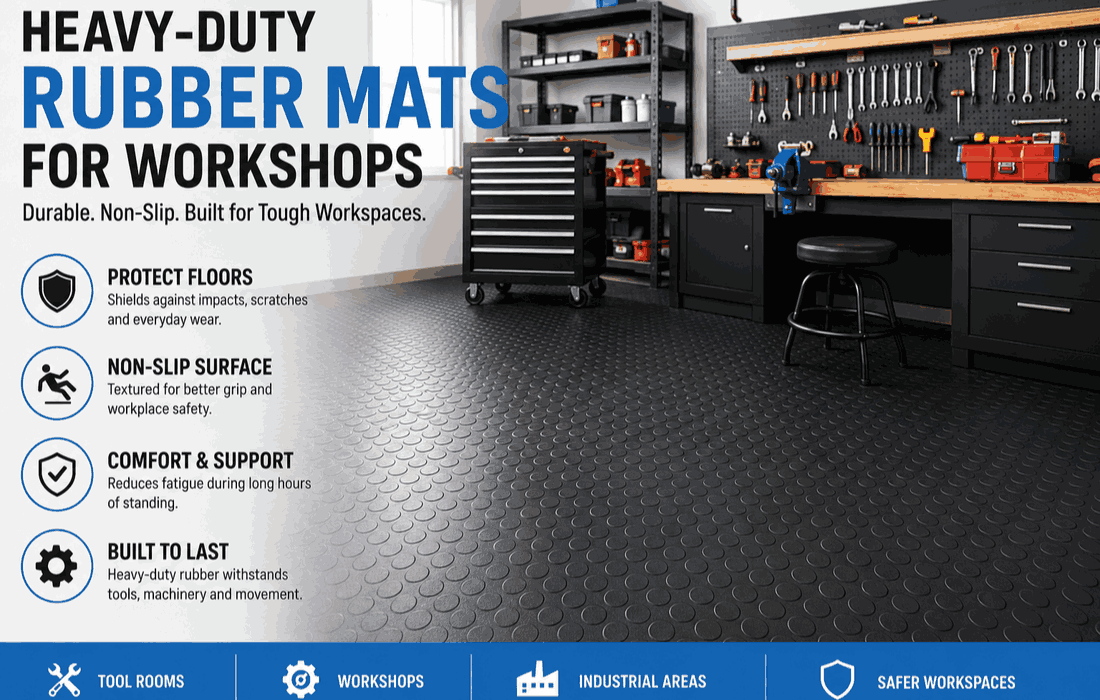
Discover rubber matting for workbenches, tool areas, maintenance rooms and practical workshop floor-protection zones.
Read Guide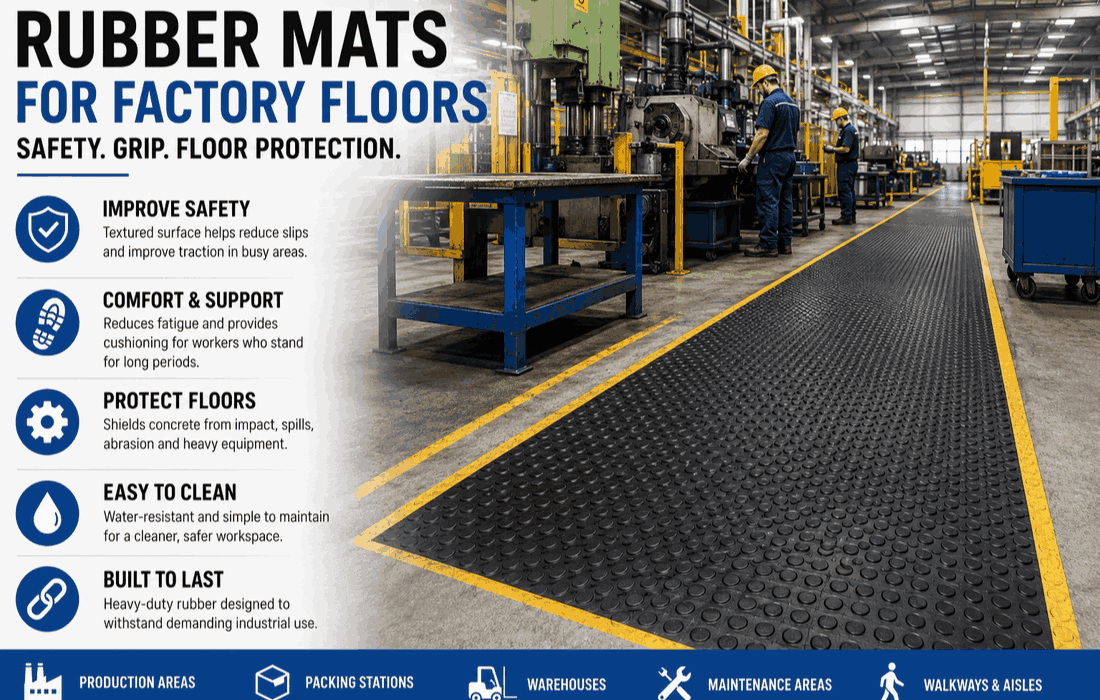
See how rubber matting supports grip, standing comfort and targeted floor protection around production and machine areas.
Read Guide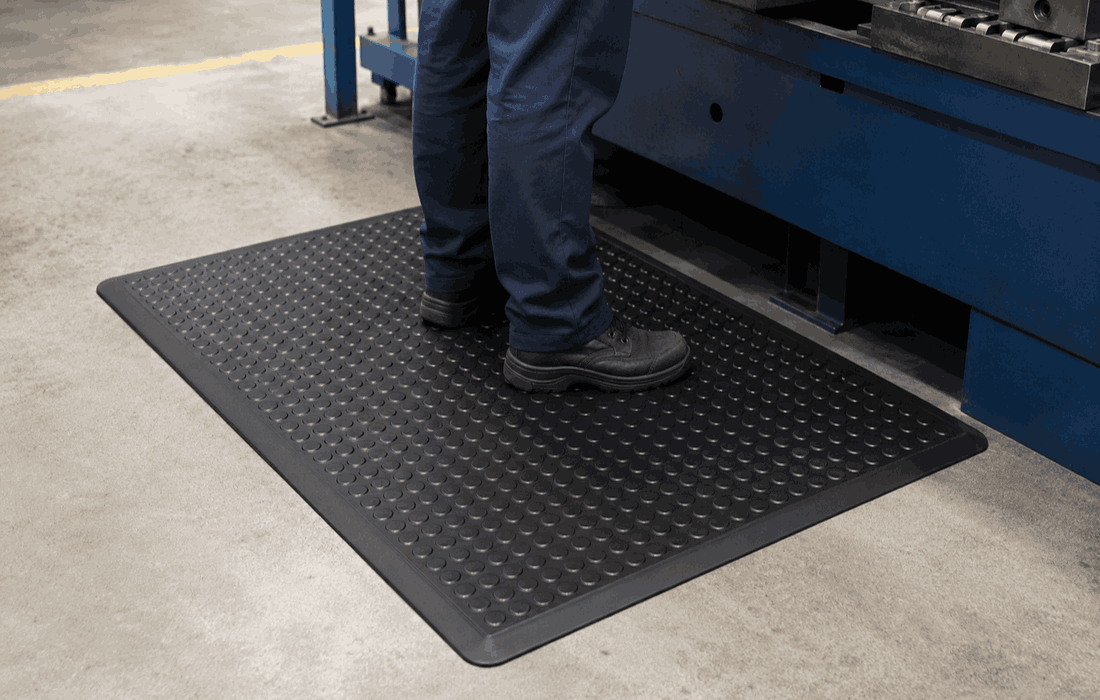
Learn how cushioned rubber mats can improve underfoot comfort at counters, packing benches and standing workstations.
Read Guide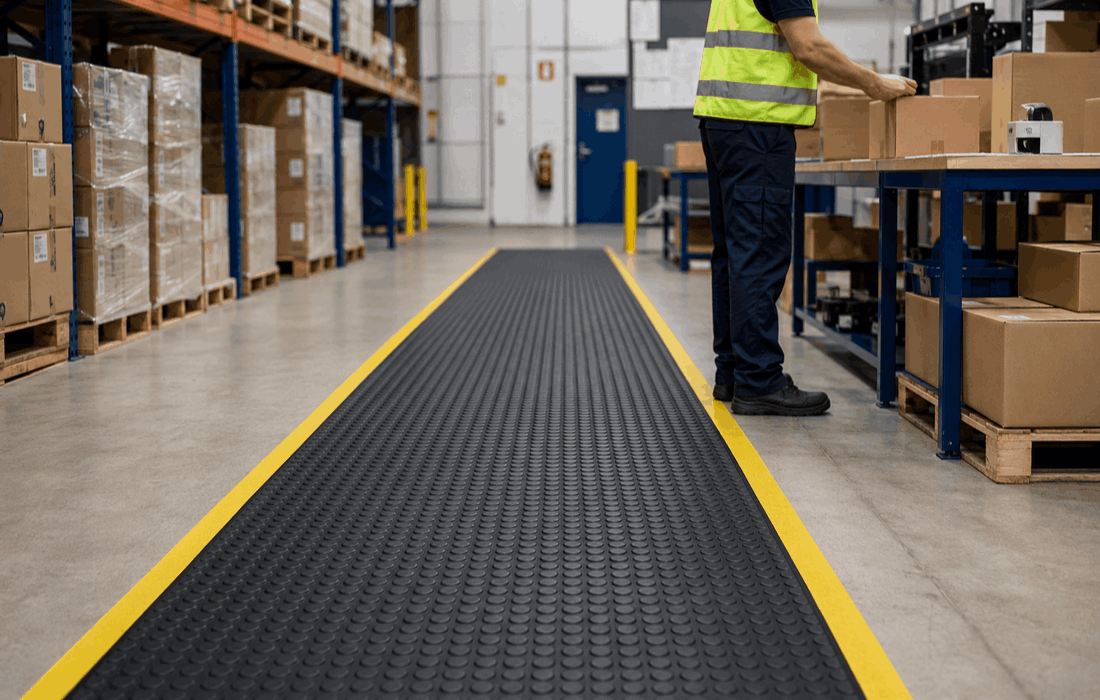
Explore rubber matting for packing stations, stockrooms, walkways, dispatch points and selected warehouse work zones.
Read Guide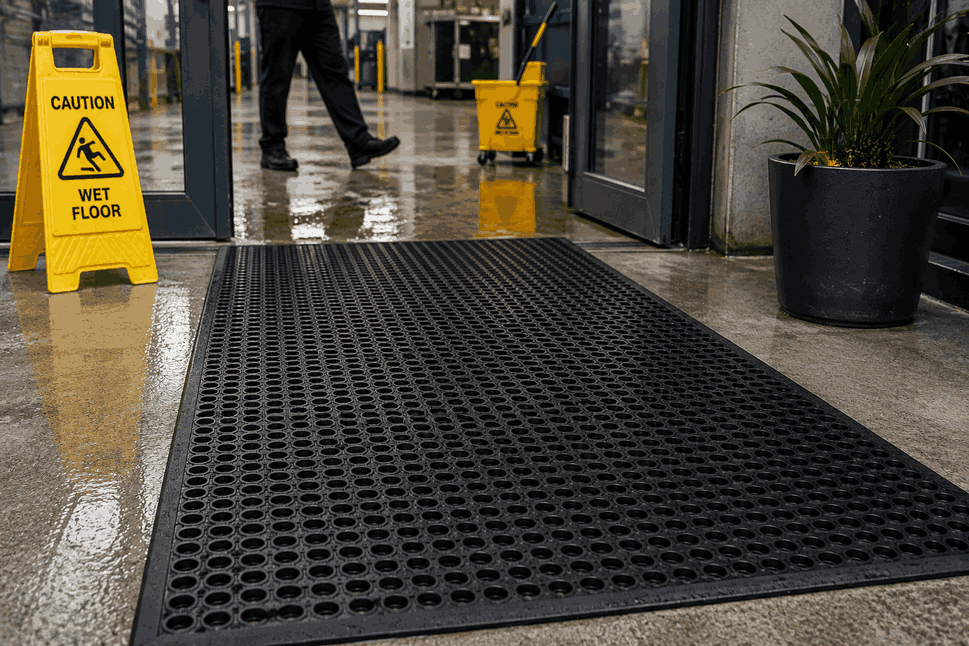
Understand which rubber mat surfaces suit damp entrances, wash areas and busy spaces where grip and drainage matter.
Read Guide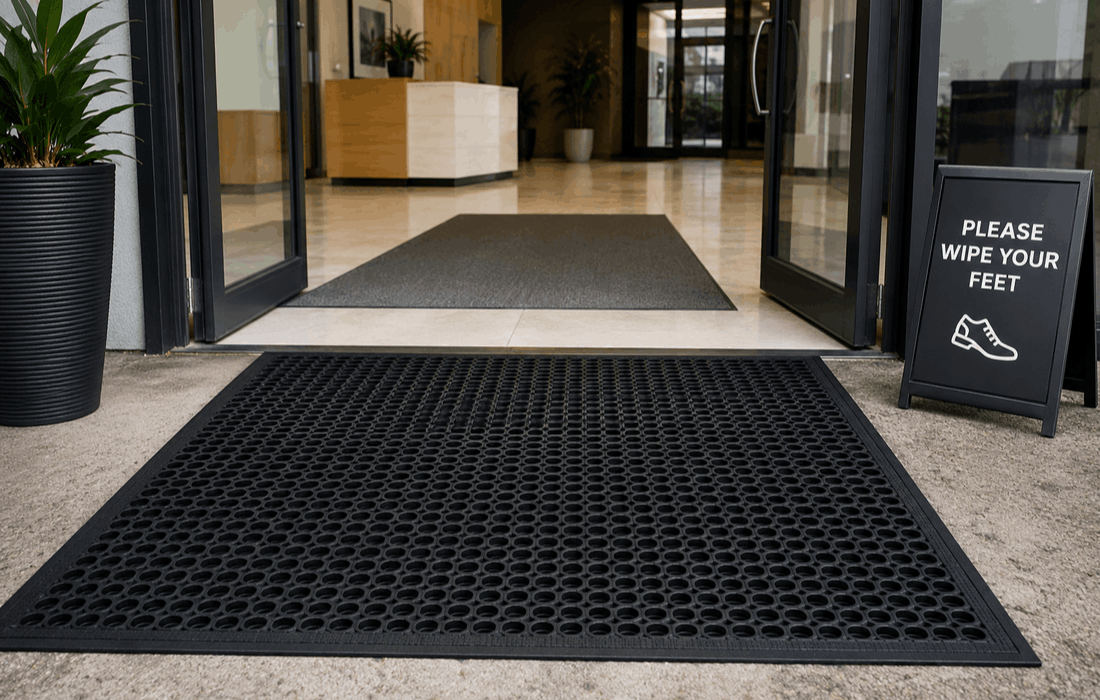
Choose practical rubber entrance mats that help control dirt, moisture and daily foot traffic at busy access points.
Read Guide