
Secure Payment
Your transactions are protected with encrypted SSL security. Payments are processed safely through verified South African payment gateways.
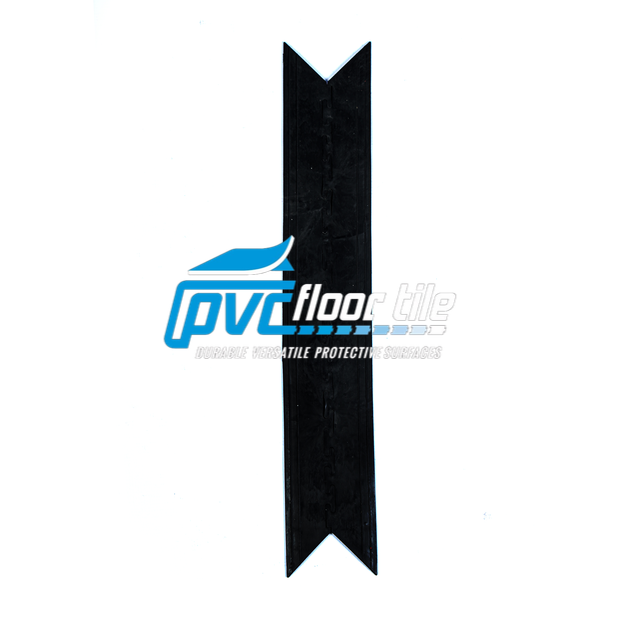
Rubber Floor Border Edge – 1m (2 Pieces)
Original price was: R80,00.R65,55Current price is: R65,55.
Your payments are safe and protected.
Rubber Floor Border Edge – 1m (2 Pieces) for Interlocking Flooring
Complete your flooring installation with the Rubber Floor Border Edge – 1m (2 Pieces), a sloped flooring trim designed to create a neat transition between compatible interlocking floor tiles and the surrounding floor surface.Exposed flooring edges can create abrupt changes in floor height, particularly around entrances, workstations, garages and commercial walkways. A correctly fitted rubber border edge helps create a more gradual transition while protecting the outer edges of a modular flooring installation.
This product is intended for customers who need a practical finishing accessory for selected rubber flooring installations. Its sloped profile gives the perimeter a more complete appearance and helps people move between adjoining floor surfaces.
The supplied product description identifies recycled rubber as its material, with a black colour option listed in the product attributes. Other colours and exact surface finishes should be confirmed before ordering.
The product title identifies a 1m set containing two edging pieces. The expected configuration is two 500mm pieces providing 1,000mm of total coverage, but this must be confirmed against the physical product before publication.
For additional floor-finishing accessories, explore our Floor Edging Collection for compatible trims, corners and transition solutions.
What Is a Rubber Floor Border Edge?
A rubber floor border edge is a finishing strip installed along an exposed flooring perimeter.
Rather than leaving an abrupt vertical edge, a sloped trim creates a gradual change between the raised flooring and the adjoining surface.
This is particularly useful where interlocking tiles terminate at entrances, walkways or open boundaries.
A border edge can serve several purposes:
- Create a defined flooring perimeter.
- Improve the appearance of an installation.
- Reduce abrupt floor-height transitions.
- Help protect exposed tile edges.
- Provide a more practical approach to compatible floor sections.
- Allow individual finishing pieces to be maintained or replaced.
The edging must match the tile thickness and joining design. Not every interlocking flooring system accepts the same edge profile.
Rubber Floor Border Edge Technical Specifications
| Specification | Product Details |
|---|---|
| Product Name | Rubber Floor Border Edge |
| Product Type | Sloped Flooring Border Trim |
| Product Title | 1m (2 Pieces) |
| Material | Recycled Rubber |
| Colour | Black |
| Pieces per Set | 2 |
| Edging Width | Approximately 55mm in One Product Attribute |
| Listed Thickness | 5mm |
| Profile | Sloped Border Edge |
| Connection | Compatible Interlocking Flooring System |
| Primary Applications | Garages flooring |
| Additional Applications | Selected Utility and Storage Areas |
| Installation | Over a Firm, Clean and Prepared Surface |
| Routine Cleaning | Sweep, Vacuum or Damp Mop |
| Individual Replacement | Possible Where Matching Pieces Are Available |
Why Use Rubber Flooring Border Edging?
Creates a Gradual Floor Transition
- One of the primary purposes of border edging is to reduce the abrupt step between a raised flooring system and the surrounding floor.
- A sloped profile creates a more gradual approach to the flooring.
- The actual transition depends on the installed tile height, adjoining floor level and compatibility of the edging.
Helps Protect Exposed Tile Edges
Unfinished tile edges may be vulnerable to accidental contact from footwear, cleaning equipment or ordinary movement.
A suitable finishing strip can cover the exposed boundary and help maintain the installation's appearance.
Provides a Professional Floor Finish
- A floor can look incomplete when its exposed boundaries are left without matching trims.
- Rubber edging creates a defined perimeter, particularly where the floor meets concrete or another surface.
Supports Modular Flooring Maintenance
A compatible edging strip can be removed and replaced where the flooring system allows.
This is useful when making adjustments to an installation or replacing damaged perimeter components.
Suitable for Planned Flooring Layouts
- Flooring installations vary in shape.
- Some require edging along one entrance, while others have several exposed sides.
- Individual strips allow customers to plan the required lengths according to the actual layout.
Where Can Rubber Floor Border Edges Be Used?
Garage Flooring Entrances
A garage floor installation may have an exposed boundary near the entrance or beside an uncovered concrete section.
A compatible sloped edge can create a neater transition at that point.
Where vehicle traffic crosses the edging, confirm the profile's suitability for wheel loads and turning forces.
Workshop Flooring Perimeters
- Workshops commonly contain tiled work areas next to uncovered concrete or other hard flooring.
- Border edging can create a more complete finish around compatible modular floor sections.
- Concentrated equipment loads should be assessed before selecting the accessory.
Commercial Back Areas
Commercial support spaces may have defined flooring sections used for staff access or operational activities.
Matching edging can help distinguish the tiled section from adjoining surfaces.
Stockrooms and Storage Areas
Stockroom flooring may terminate near walkways, shelving or access doors.
A suitable border edge can finish these boundaries without requiring flooring across the entire room.
Utility and Maintenance Rooms
Selected utility areas may benefit from modular flooring with clearly finished edges.
The trim should be compatible with the floor surface, moisture conditions and equipment used in the room.
Selected Industrial Work Areas
- Some industrial spaces use modular floor tiles in designated pedestrian or workstation sections.
- Rubber edging may be suitable for these locations where its load, wear and chemical compatibility are appropriate.
- It should not automatically be used for heavy forklifts or other demanding traffic without technical confirmation.
How Does the Sloped Rubber Edge Work?
A sloped border edge is shaped to provide a gradual transition from one floor height to another.
The raised side is positioned next to the compatible flooring, while the tapered section approaches the adjoining floor.
Correct positioning is essential.
If the edging is too thick, too thin or incompatible with the tile connection, it may leave an uneven boundary.
Before installation, check the floor height, edging profile and actual connection design.
How to Check Edging Compatibility
Match the Tile Thickness
The product listing includes a 5mm thickness reference.
Confirm whether the edge is intended for 5mm tiles and whether it can be used with any other thickness.
A mismatched trim may create an unwanted lip or height difference.
Check the Locking Profile
- Different interlocking tiles use different connection systems.
- An edge designed for one profile may not connect securely to another.
- Confirm compatibility using the tile's product name, dimensions and connection type.
Match the Surface and Colour
A matching finish can create a more consistent flooring appearance.
The black option is identified in the current attributes, while other colours appear in the written description.
Check actual stock and product photographs before selecting a colour.
Inspect the Existing Floor
The supporting floor should be firm, stable, clean and sufficiently level.
Raised debris or uneven concrete can prevent edging from sitting correctly.
How Much Rubber Floor Edging Do You Need?
Rubber border edging is measured in linear metres, not square metres.
The required quantity depends on the total length of exposed flooring edges that need finishing.
First measure each exposed boundary.
Then add the measurements together to determine the total length.
Do All Floor Edges Need Edging?
- Not necessarily.
- A floor installed directly against a wall may not need the same treatment as a free-standing edge.
- Measure only the boundaries where a suitable exposed-edge transition is required.
How to Install Rubber Floor Border Edging
Step 1: Measure the Exposed Edges
Identify the boundaries requiring edging.
Record the length of each section separately.
Step 2: Confirm Product Compatibility
Check that the selected edging matches the tile thickness and connection profile.
Do not force incompatible components together.
Step 3: Prepare the Subfloor
Sweep or vacuum the installation area.
Remove loose debris and ensure the supporting surface is stable.
Step 4: Install the Main Flooring
Lay the compatible interlocking tiles according to their installation instructions.
Ensure the perimeter tiles are properly seated.
Step 5: Position the Edging
Place the border edge next to the exposed tile boundary.
Check that the sloped side faces the adjoining floor.
Step 6: Connect the Edging
Join the edging to the flooring using the approved connection system, where applicable.
Some installations may require additional fixing based on site conditions.
Step 7: Cut Where Necessary
Measure any remaining spaces carefully.
Use appropriate cutting tools and protective equipment for the confirmed material.
Step 8: Inspect the Finished Transition
Check the connection, alignment and contact with the supporting floor.
Ensure the finished edge does not rock, lift or create an unintended trip point.
Does Rubber Border Edging Require Glue?
Some matching interlocking flooring systems allow compatible edging to connect mechanically.
However, adhesive-free installation is not suitable for every site.
The correct fixing method depends on the connection profile, floor condition, traffic and exposure.
Follow the manufacturer's installation guidance.
Rubber Floor Border Edge vs Corner Edging
Straight Border Edging
Straight edging is used along exposed sections of a floor perimeter.
It is suitable for continuous straight transitions where the profile matches the floor.
Corner Edging
Corner pieces are designed to finish locations where two exposed boundaries meet.
Using a matching corner component may provide a neater result than improvising a join between two straight strips.
When to Use Both
A flooring area with several exposed sides may require both straight lengths and compatible corner components.
Plan the complete perimeter before purchasing.
Rubber Edging vs Other Flooring Transition Profiles
Rubber border edging is one option for finishing a floor boundary.
Other installations may use metal transition strips, rigid plastic profiles or purpose-designed entrance ramps.
The best choice depends on the floor height, traffic, connection system and expected conditions.
A rubber edging strip should not be treated as a substitute for a specialist accessibility ramp unless its design and suitability have been verified.
Material and Colour Considerations
Recycled Rubber Construction
The supplied product information identifies recycled rubber as the edging material.
This material is used in various flooring accessories, but its actual performance depends on the formulation and manufacturing process.
Do not assume a specific load capacity, slip rating or lifespan without product-specific data.
Black Rubber Edging
Black is the colour shown in the current product attributes.
It may provide a practical finish alongside compatible dark flooring.
Other Colour Options
Yellow and grey are mentioned in the existing written description.
Their availability for this exact product should be verified before publication.
Do not assume that every colour has the same material composition or stock status.
Cleaning and Maintaining Rubber Floor Edging
Regular Sweeping
Remove loose dust, sand and grit from around the transition.
Vacuuming
Use a suitable attachment to clean along edging joins and near exposed boundaries.
Damp Cleaning
Wipe with a mild cleaner confirmed to be compatible with the rubber material.
Avoid strong chemicals unless approved by the manufacturer.
Spill Management
Clean spills promptly.
Oil, grease and moisture can affect the traction of surrounding flooring.
Routine Inspection
Check edging pieces for movement, lifting, damage or separation from the floor.
Replace damaged components with compatible matching pieces.
Important Buying Considerations
Before ordering, confirm the exact dimensions and packaging quantity.
The product title suggests 1m of edging supplied as two pieces, while the original description states that each piece measures 1m.
Also verify the surface finish, available colours and compatibility with the intended tile system.
For vehicle crossings, heavy trolleys, industrial equipment or exposed outdoor locations, obtain specific suitability guidance.
Frequently Asked Questions About Rubber Floor Border Edging
1. What is a rubber floor border edge?
It is a finishing trim installed along exposed flooring boundaries. Its sloped profile helps create a gradual transition between compatible raised flooring and the adjoining surface.
2. What is rubber border edging used for?
It is used to finish floor perimeters, protect exposed tile edges and improve the appearance of suitable interlocking flooring installations.
3. How many pieces are included?
The product title specifies two pieces. Their individual lengths must be confirmed against the physical product.
4. Does one set cover 1m or 2m?
The title indicates 1m per set, while the original description suggests 2m. Confirm whether the set contains two 500mm pieces before ordering.
5. What material is the edging made from?
The supplied product description identifies recycled rubber. Confirm the material against the current SKU specification.
6. What colour is available?
Black is shown in the product attributes. Yellow and grey are mentioned in the description but require availability confirmation.
7. Is rubber edging suitable for garages?
It may be suitable for compatible garage floor installations. Where vehicle wheels cross the edging, confirm the applicable load and installation requirements.
8. Can edging be used in workshops?
Yes, it may be used along compatible workshop flooring sections. Heavy equipment and unusual operating conditions require assessment.
9. Is it compatible with all interlocking tiles?
No. Connection profiles and thicknesses differ between flooring products. Confirm compatibility before ordering.
10. Does rubber floor edging require adhesive?
Some matching flooring systems allow mechanical connection without full-surface adhesive. The correct method depends on the installation.
11. How do I calculate edging quantities?
Measure the total length of exposed boundaries in metres and divide by the confirmed coverage per set. Round up to complete sets.
12. Is edging measured in square metres?
No. Floor edging is measured in linear metres because it covers the boundary rather than the main floor area.
13. Can rubber edging help reduce trip hazards?
A correctly matched sloped edge can help reduce abrupt floor-height changes. It does not eliminate every trip hazard or establish accessibility compliance.
14. Can rubber border edging be used outdoors?
Outdoor suitability depends on the rubber formulation, UV exposure, drainage and installation conditions. Confirm product-specific guidance.
15. How do I clean rubber edging?
Sweep, vacuum or damp wipe using a compatible mild cleaner. Avoid unsuitable solvents and abrasive cleaning methods.
16. Can individual edging pieces be replaced?
Compatible pieces may be replaced where the installation allows. Match the original dimensions, material and connection profile.
Buy Rubber Floor Border Edge – 1m (2 Pieces) in South Africa
Complete your modular floor installation with Rubber Floor Border Edge – 1m (2 Pieces), a sloped finishing accessory for suitable interlocking flooring systems.Its main purpose is to create a neater exposed boundary and provide a gradual transition between the installed floor and the adjoining surface.
For additional flooring trims and finishing accessories, explore our Floor Edging Collection.
Additional information
| Weight | 0,29 kg |
|---|---|
| Dimensions | 1 × 0,055 × 0,005 mm |
| Applications | Commercial Flooring, Commercial Gym, CrossFit, Garage Flooring, Gym Flooring, Home Gym, Warehouse Flooring, Workshop Flooring |
| Colour | Black |
| Dimension | 1 m × 0.55 m × 5 mm |
| Surface Texture | Studded |
| Working Environment | High-Traffic Zones, Indoor Use, Outdoor Use, Wet Areas |

Reviews
There are no reviews yet.