
Interlocking Rubber Floor Tiles
Interlocking Rubber Floor Tiles provide a durable, easy-to-install flooring solution with a secure interlocking design. Built for long-lasting performance, these rubber tiles offer excellent grip, comfort and impact protection while creating a stable, low-maintenance floor for a wide range of indoor environments.
For broader rubber flooring options and general-purpose floor protection, explore our main rubber matting range.
Read More About Interlocking Rubber Tiles
Interlocking Rubber Tiles for Practical and Durable Floors
Interlocking rubber tiles provide a practical modular surface for garages, workshops, maintenance areas, utility rooms, selected commercial spaces and other floors that need added protection and a more finished appearance. Each tile connects to neighbouring sections through an interlocking edge, allowing a larger floor area to be built one section at a time.
Our range of rubber interlocking floor tiles includes different locking designs, surface patterns and thicknesses. Depending on the product, customers can choose studded, coin-pattern, checkered, leather-textured, hidden-lock and visible-lock finishes. This makes it easier to select a floor according to both the appearance of the room and the way the area will be used.
Because interlocking rubber flooring is modular, individual sections can be easier to handle during installation and may also be replaced separately when required. This makes the system particularly useful for customers looking for a manageable flooring solution over suitable concrete and other prepared hard surfaces.
Why Choose Interlocking Rubber Flooring?
The flooring used in a garage, workshop or commercial work area needs to suit the conditions of the space. Traffic levels, equipment, cleaning requirements, the existing subfloor and the amount of daily use should all be considered before choosing a product.
Modular Installation
One of the main advantages of interlocking rubber tiles is that the floor can be installed in smaller sections. Instead of handling one large continuous piece, individual tiles can be positioned and connected gradually across the room.
This can make installation easier around walls, pillars, work benches and other fixed objects. In suitable applications, some interlocking systems may also be loose laid without permanently bonding every section to the subfloor.
Protection for Existing Floors
Bare concrete can become dusty, marked or worn through everyday traffic. Durable rubber floor tiles create an additional working surface between the activity taking place in the room and the original floor underneath.
This can be useful in garages, workshops, maintenance areas and utility spaces where tools, storage containers, equipment and other items are regularly moved.
A More Resilient Surface
Rubber provides a more resilient feel than an uncovered concrete floor. This makes rubber flooring tiles useful for suitable areas where people regularly stand, walk or work.
The modular construction is another advantage. If a particular section becomes worn or damaged, an individual tile can often be removed and replaced without replacing the complete installation.
Where Can Interlocking Rubber Tiles Be Used?
Interlocking rubber tiles can be considered for different residential and working environments. The most suitable tile will depend on the amount of traffic, equipment, floor condition and the demands of the particular area.
Interlocking Rubber Tiles for Garages
Customers looking for interlocking rubber tiles for garage floors often want to cover unfinished concrete and create a cleaner, more organised floor. Modular tiles can be fitted across suitable concrete while different textures and locking styles allow the garage to have either an industrial or more refined appearance.
Before installing rubber tiles in a garage, consider vehicle movement, floor moisture, equipment and the condition of the concrete. Customers comparing different options can also browse our
garage flooring range.
Rubber Interlocking Floor Tiles for Workshops
Workshops normally experience frequent foot traffic, tools, work benches and equipment movement. Heavy duty interlocking rubber tiles can be considered for suitable workshop and maintenance areas where a durable modular surface is required.
A replaceable tile system can also be useful where particular sections of a workshop receive more use than others. Explore additional
workshop flooring options
when comparing products for working environments.
Commercial and Utility Areas
Rubber interlocking flooring can also be used in selected storage rooms, maintenance areas, utility rooms and commercial workspaces. In these areas, the correct thickness and design should be selected according to traffic, equipment and how frequently the floor will be used.
Exercise and Training Areas
Rubber surfaces are also used in many exercise environments. Interlocking options may be suitable for home training areas, stretching spaces and selected exercise rooms where a modular resilient surface is preferred.
Areas containing heavier gym equipment or repeated impact may require a different thickness or product construction. Customers planning an exercise space can compare our
gym flooring range
for other suitable options.
500 × 500mm Interlocking Rubber Tiles
Many of the rubber interlocking floor tiles in this category use a practical 500 × 500mm format. Each 500mm × 500mm tile covers approximately 0.25m², which makes quantity calculations straightforward.
- 4 tiles cover approximately 1m²
- 10m² requires approximately 40 tiles before cuts or wastage
- 20m² requires approximately 80 tiles before cuts or wastage
- 40m² requires approximately 160 tiles before cuts or wastage
Always measure the complete installation area before ordering. Additional material may be required where tiles need to be cut around doorways, walls, pillars, steps or fixed equipment.
Different Surface Patterns and Locking Designs
The surface design can change both the appearance and feel of the finished floor. Our category includes different styles so customers can compare a number of modular flooring finishes.
Studded Rubber Tiles
Studded surfaces feature a raised pattern across the tile. They create a distinctive industrial-style finish that can work well in workshops, garages, maintenance rooms and high-use work areas.
Coin Pattern Rubber Tiles
Coin-pattern tiles use rounded raised sections across the surface. This style creates a strong practical appearance for garages, utility areas and selected commercial spaces.
Checkered Rubber Tiles
Checkered designs provide a more geometric appearance and can be considered when the floor needs to contribute to the overall visual design of the room.
Leather-Texture Rubber Tiles
Leather-textured surfaces provide a more subtle appearance than heavily raised stud patterns and may suit showrooms, commercial areas and multi-purpose spaces.
Hidden and Visible Interlocking Edges
Hidden-lock designs reduce how visible the connecting edges appear after installation, while visible-lock tiles retain the recognisable modular appearance of an interlocking floor. The right design depends on the finish preferred for the space.
Heavy Duty Interlocking Rubber Tiles
Busy areas may require flooring designed for more regular use. Customers comparing heavy duty interlocking rubber tiles should consider thickness, traffic levels, equipment, floor condition and the expected type of activity rather than choosing according to appearance alone.
A tile suitable for a light residential utility room may not necessarily be the best choice for a busy workshop. Likewise, heavy duty rubber floor tiles for a high-use working environment should be selected according to the actual demands of that floor.
Non Slip Rubber Floor Tiles and Textured Surfaces
Grip is an important consideration in garages, workshops and commercial work areas. Textured non slip rubber floor tiles can provide a more tactile walking surface than completely smooth hard flooring. Studded, coin and other textured designs can be useful where additional surface texture is preferred.
No floor should, however, be treated as completely slip-proof under every condition. Water, oil, dust and other contaminants can affect grip. Spills should be removed promptly and the cleaning method should suit the flooring material.
For general guidance about reducing slip risks through suitable floor cleaning, you can also refer to the
Health and Safety Executive guidance on floor cleaning and slip prevention.
Interlocking Rubber Tile Specifications
| Interlocking Category | Specification |
|---|---|
| Material | Rubber / recycled rubber depending on product |
| Tile Size | 500 × 500mm on many products in this category |
| Thickness | Varies by product, including 5mm and 6mm options |
| Coverage | Approx. 1m² per 4 × 500mm tiles |
| Surface | Studded, coin, checkered and other textured finishes depending on product |
| Connection Type | Modular interlocking edge |
| Installation | Loose laid in suitable applications depending on product and site conditions |
| Maintenance | Sweep, vacuum, mop or wipe clean as appropriate |
| Typical Applications | Garages, workshops, maintenance rooms, utility areas and selected commercial spaces |
How to Install Interlocking Rubber Tiles Over Concrete
Customers often ask how to install interlocking rubber tiles over concrete. The first step is preparing the existing floor properly. The surface should be firm, clean, dry and reasonably level before installation begins.
Remove stones, sand, dust and loose debris because material trapped underneath the tiles can create uneven sections. Significant holes, cracks, moisture problems or damaged concrete should be assessed before covering the floor.
Plan the layout before connecting the complete area. A straight wall, centre line or other reliable reference point can help keep rows aligned. Connect the tiles gradually and check that each joint is properly seated before continuing.
At walls, doorways, pillars or other fixed structures, individual tiles can be measured and trimmed where required. Planning the layout before cutting helps reduce unnecessary waste and can produce a neater finished installation.
For further practical information, see our
installation and cleaning guide.
Cleaning and Maintaining Interlocking Rubber Flooring
Routine maintenance helps prevent dust, grit and loose dirt from building up on the surface. Sweep or vacuum regularly, particularly in garages and workshops where debris may enter on footwear, wheels or equipment.
For normal cleaning, use a cleaning method suitable for the specific rubber product. Spills should be dealt with promptly, and sharp or rough objects should not be dragged unnecessarily across the floor.
A useful advantage of interlocking rubber flooring is that individual sections can often be accessed separately if inspection, cleaning or replacement is required.
Interlocking Rubber Tiles vs Rubber Rolls
Choosing between interlocking rubber tiles and rubber rolls depends on the size of the area, installation requirements, maintenance needs and the type of finish you prefer. Modular tiles are particularly useful when easy handling and individual replacement are priorities, while rolls may be preferred where larger continuous sections are required.
| Feature | Interlocking Rubber Tiles | Rubber Rolls |
|---|---|---|
| Installation | Individual tiles connect using modular locking edges | Installed in larger continuous sections |
| Handling | Easy to carry and position in smaller sections | Larger rolls can require more handling during installation |
| Replacement | Individual tiles can often be replaced when damaged | A damaged section may require cutting or replacing part of the roll |
| Floor Layout | Useful for modular layouts and irregular spaces | Useful for larger continuous floor areas |
| Joints | Visible or hidden joints depending on the locking design | Fewer joints across larger areas |
| DIY Installation | Often easier to manage for smaller DIY projects | May require additional planning, positioning and cutting |
| Maintenance | Individual sections can often be lifted or replaced | Maintained as a larger continuous surface |
| Common Applications | Garages, workshops, utility areas and modular workspaces | Gyms, larger work areas and spaces needing continuous rubber coverage |
How to Choose the Right Rubber Interlocking Floor Tiles
Before ordering, consider how the area will be used every day. The correct product for a home garage may differ from the best option for a workshop or commercial maintenance area.
- Measure the complete floor area accurately
- Check whether the existing floor is level and in good condition
- Consider the required tile thickness
- Compare studded, coin, checkered and other surface patterns
- Consider foot traffic and equipment movement
- Check whether vehicles will use the area
- Consider cleaning and maintenance requirements
- Choose a locking style and finish suitable for the space
For customers searching for easy install rubber floor tiles for concrete floors, the modular design is particularly useful because sections can be fitted progressively instead of handling one large floor covering.
Interlocking Rubber Floor Tiles South Africa
Customers looking for interlocking rubber floor tiles South Africa can compare several modular designs within this category. The range includes different textures, locking systems and thicknesses for suitable residential, commercial and working environments.
When comparing rubber floor tiles South Africa, look beyond colour and price. Consider the subfloor, amount of traffic, equipment used in the area, cleaning requirements and the type of surface finish required.
Our rubber interlocking flooring South Africa range is suitable for customers looking for modular options for garages, workshops, utility areas, maintenance spaces and selected commercial applications.
Frequently Asked Questions About Interlocking Rubber Tiles
How many 500 × 500mm rubber tiles make 1m²?
Four 500 × 500mm tiles cover approximately one square metre. Allow additional material where cutting around walls, pillars or irregular sections is required.
Can interlocking rubber tiles be installed directly over concrete?
They can generally be installed over suitable concrete that is firm, clean, dry and reasonably level. Significant cracks, moisture or uneven sections should be addressed before installation.
Do rubber interlocking floor tiles need adhesive?
Some modular tiles can be loose laid in suitable applications. The correct installation method depends on the specific product, subfloor and way the area will be used.
Are interlocking rubber tiles suitable for garage floors?
They can be suitable for selected garage applications. Consider vehicle use, floor condition, moisture, loads and the specifications of the tile before choosing the product.
Can an individual rubber tile be replaced?
One of the main advantages of a modular floor is that an individual section can often be removed and replaced without replacing the entire floor.
Are heavy duty interlocking rubber tiles suitable for workshops?
They can be considered for suitable workshop and maintenance applications. Choose the thickness and construction according to traffic, equipment and expected use.
Are non slip rubber floor tiles completely slip-proof?
No flooring surface should be considered completely slip-proof under every condition. Textured designs can assist with traction, but water, oil, dust and other contaminants should still be removed promptly.
What thickness of interlocking rubber flooring should I choose?
The appropriate thickness depends on the application, traffic level, equipment and required floor protection. Compare the specifications of the individual products before ordering.
Browse Interlocking Rubber Tiles
Browse the products above to compare our range of interlocking rubber tiles, including studded, textured, checkered, hidden-lock and other modular designs. Customers can compare different thicknesses and finishes to find a suitable option for garages, workshops, maintenance areas, utility spaces and selected commercial environments.
If you need help deciding which rubber interlocking floor tiles are suitable for your project,
contact us
with the floor dimensions, existing surface and details about how the area will be used. We can then help you compare suitable options and estimate the quantity required.
Showing all 10 results
-
Sale!
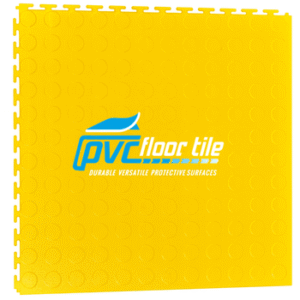
Anti-Static SeamLock Tile – 500 × 500 × 5mm
Price range: R184,25 through R437,85 -
Sale!

ClickLock Coin Tile – 500 × 500 × 6mm
Original price was: R150,00.R149,75Current price is: R149,75. -
Sale!
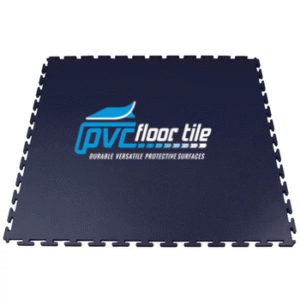
FitLock Leather Tile – 500 × 500 × 5mm
Price range: R167,00 through R368,25 -
Sale!

GripLock Stud Tile – 500 × 500 × 5mm
Price range: R122,00 through R361,35 -
Sale!

JointLock Studded Tile – 500 × 500 × 6mm
Original price was: R140,00.R135,25Current price is: R135,25. -
Sale!

ProLock Rubber Tile 500 x 500mm
Price range: R122,00 through R368,25 -
Sale!

QuickLock Tile – 500 × 500 × 5mm
Price range: R122,00 through R361,35 -
Sale!

SecureLock Hidden Tile – 500 × 500 × 5mm
Original price was: R180,00.R152,50Current price is: R152,50. -
Sale!
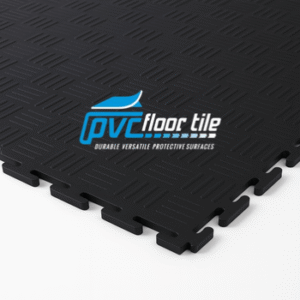
SnapLock Checkered Tile – 500 × 500 × 5mm
Original price was: R250,00.R201,50Current price is: R201,50. -
Sale!

SquareLock Checkered Tile 500 × 500 × 5mm
Original price was: R250,00.R201,50Current price is: R201,50.
