


Secure Payment
Your transactions are protected with encrypted SSL security. Payments are processed safely through verified South African payment gateways.
Rubber Horse Stall Mat 1860x1250x15mm
Original price was: R3000,00.R1523,30Current price is: R1523,30.
210 in stock
Your payments are safe and protected.
210 in stock
What Is a Rubber Horse Stall Mat?
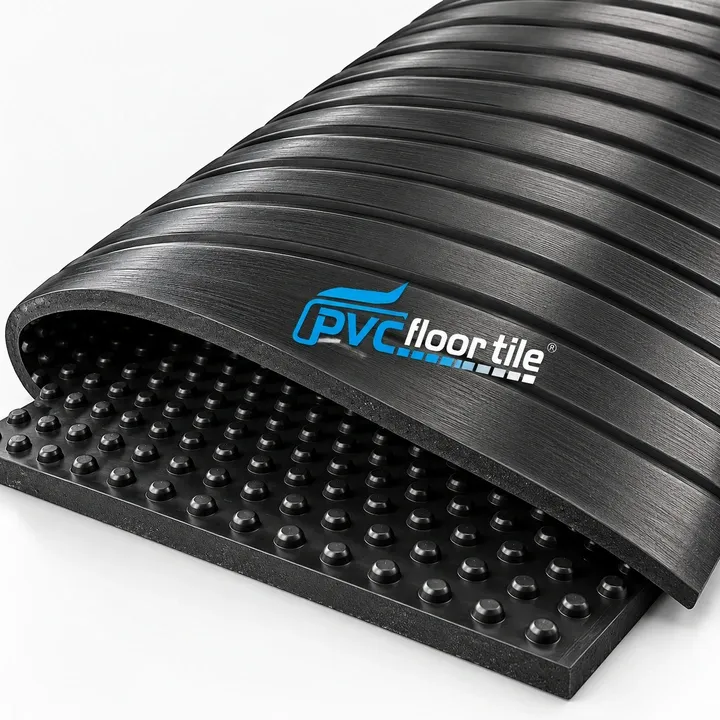
Rubber Horse Stall Mat – 1860×1250×15mm is a heavy-duty rubber stable flooring mat designed for horse stalls, stable boxes, covered barns, grooming areas and suitable equestrian facilities. Featuring a bubble-textured surface on one side and a grooved surface on the other, this large-format mat provides a practical flooring option for horse owners and stable managers seeking greater comfort, easier cleaning and protection for existing stable floors.Manufactured from rubber, the mat measures 1860 × 1250mm with a thickness of 15mm. Each mat covers approximately 2.325m², making it suitable for covering larger stable sections with fewer individual pieces.
Rubber Horse Stall Mats can be installed over suitable prepared concrete or timber floors, provided the substrate is firm, stable and correctly maintained. Bedding such as straw or shavings may still be necessary for urine absorption, hygiene and resting comfort.
For additional industrial and agricultural matting options, explore our Rubber Mats collection.
A rubber horse stall mat is a purpose-designed floor covering used to create a more practical standing and resting surface inside horse stalls and similar animal-care environments.
Key Features of Rubber Horse Stall Mats
- Large-format dimensions: 1860 × 1250mm.
- 15mm thickness: Rubber floor covering for suitable equestrian spaces.
- Black rubber construction: Current specification identifies SBR/NR rubber.
- Bubble and grooved surfaces: Two different surface textures.
- 2.325m² coverage: Nominal coverage per mat.
- Stable floor protection: Helps limit direct wear on suitable substrates.
- Cushioned surface: More resilient than bare concrete.
- Bedding compatibility: Can be used with appropriate stable bedding.
- Individual mat installation: Place multiple mats alongside one another.
- Routine maintenance: Sweep, wash and inspect regularly.
Rubber Horse Stall Mat Technical Specifications
| Specification | Product Details |
|---|---|
| Product Name | Rubber Horse Stall Mat |
| Material | Recyled Rubber |
| Colour | Black |
| Mat Dimensions | 1860 × 1250mm |
| Thickness | 15mm |
| Coverage Per Mat | 2.325m² |
| Surface Design | Bubble Texture and Grooved Texture |
| Selling Unit | Per Individual Mat |
| Primary Applications | Horse Stalls and Stable Boxes |
| Additional Applications | Covered Barns, Grooming Areas and Suitable Equestrian Facilities |
| Installation | Over a Firm, Stable and Prepared Base |
| Floor Compatibility | Suitable Concrete or Timber, Subject to Condition |
| Maintenance | Sweeping, Washing and Periodic Under-Mat Cleaning |
Why Choose Rubber Horse Stall Mats?
A More Comfortable Stable Floor
Horses spend considerable time standing inside stalls and stable boxes.
Hard concrete surfaces provide little cushioning underfoot.
A 15mm rubber mat introduces a resilient layer between the horse and the hard substrate.
The actual cushioning performance depends on the rubber formulation, surface design and conditions of use.
Protection for Existing Stable Floors
Repeated hoof movement, shifting bedding and normal stable activities can contribute to wear on an exposed floor.
Rubber stall mats provide a covering over suitable concrete or timber.
This may help reduce direct contact between hooves and the underlying surface.
However, the mat does not repair structurally damaged flooring or prevent moisture from entering through joints.
Large 1860 × 1250mm Format
The generous mat dimensions allow large portions of a stable floor to be covered using relatively few pieces.
This is useful when planning individual horse stalls or grooming sections.
Accurate measurements are essential because large rectangular mats may require cutting or careful positioning around walls and fixtures.
Bubble and Grooved Surface Design
The product features different textures on its two sides.
The bubble-textured side has raised surface features, while the opposite side includes grooves.
These textures may influence contact, cleaning and drainage behaviour.
The correct installation orientation should be based on the manufacturer's instructions rather than appearance alone.
Practical Stable Cleaning
Rubber floor coverings can be swept and washed using suitable cleaning products.
Manure, urine and bedding residues must still be removed regularly.
Some waste or moisture may collect around mat edges and beneath the installation.
Individual Mat Replacement
Where mats are loose-laid, individual damaged sections may be lifted and replaced.
This can make maintenance more manageable than replacing an entire permanently bonded floor.
Where Can Rubber Horse Stall Mats Be Used?
Horse Stall Flooring
- Horse stalls are the primary application for this mat.
- The rubber layer provides a practical surface between the horse and the underlying floor.
- Suitable bedding should still be used according to the animal's needs.
Stable Boxes
Stable boxes may contain one or more rubber mats arranged to cover the required floor area.
The mats should sit flat and remain stable during normal animal movement.
Joints and exposed edges require regular inspection.
Covered Barns
Covered barns may use rubber flooring in selected standing or animal-care sections.
The installation should be matched to the type of animals, cleaning practices and operating conditions.
Grooming Areas
Grooming spaces require flooring that can be cleaned and that remains stable while horses are being handled.
A textured rubber mat may be considered for suitable prepared areas.
Wet traction and movement should be assessed before installation.
Feeding Sections
Selected feeding areas may benefit from a practical rubber floor covering.
Feed residues, bedding and moisture should be removed routinely.
Covered Wash Bays
- Covered wash bays require suitable drainage and flooring that is appropriate for regular water exposure.
- Rubber stall mats should only be used where the manufacturer confirms compatibility with the intended wash-bay conditions.
- The mats do not create a drainage system or waterproof seal.
Equestrian Care Facilities
Some equestrian facilities may use rubber matting in animal-care sections, holding areas or preparation spaces.
Traffic, animal requirements and cleaning arrangements must be evaluated.
Suitable Livestock Shelters
Other livestock facilities may consider rubber flooring where the product's dimensions and performance are appropriate.
Suitability should be confirmed for the particular animal species and housing conditions.
Understanding the Bubble and Grooved Surfaces
The two surface textures distinguish this mat from completely smooth rubber sheeting.
Bubble-Textured Surface
The bubble side has raised rounded features.
These create a different contact pattern from a flat rubber surface.
Its suitability as the upper walking surface depends on the manufacturer's approved orientation.
Grooved Surface
- The grooved side has channels across the rubber.
- Depending on the installed orientation and floor slope, grooves may influence the movement of moisture beneath or around the mat.
- However, grooves do not automatically provide adequate drainage.
Which Side Should Face Up?
The current description suggests that the mat may be reversible.
Before installation, verify the intended orientation for the application.
A horse stall may have different requirements from a grooming section or wash bay.
Do not assume the two surfaces provide identical traction or drainage performance.
Rubber Horse Stall Mats vs Other Stable Flooring
Rubber Mats vs Bare Concrete
- Concrete is firm and durable but provides limited cushioning.
- Rubber matting introduces a resilient layer over suitable concrete.
- The underlying concrete must remain stable and correctly drained.
Rubber Mats vs Timber Stable Floors
Timber flooring may require additional protection against mechanical wear and moisture.
Rubber mats can cover a suitable prepared timber surface.
Existing dampness or timber deterioration should be corrected before installation.
Rubber Mats vs Loose Bedding
Straw and shavings absorb moisture and provide a resting layer.
Rubber mats provide a more permanent floor covering beneath the bedding.
The two products perform different functions and can be used together.
Rubber Stall Mats vs Livestock Plastic Mats
Different animal-flooring products use different materials and surface designs.
Rubber horse stall mats should not be confused with plastic stable mats.
Compare dimensions, intended animal use and confirmed technical performance before selecting a product.
Planning a Stable Floor Layout
Before ordering, measure the length and width of the stall.
Identify fixed feeding equipment, posts, drains and unusual corners.
Draw a simple layout showing how the 1860 × 1250mm mats will fit together.
Avoid assuming that every offcut can be reused.
How to Install Rubber Horse Stall Mats
Step 1: Inspect the Existing Floor
Check that the concrete or timber substrate is firm, stable and suitable for supporting the installation.
Repair damaged sections.
Identify persistent moisture or drainage issues.
Step 2: Clean the Stable
Remove all bedding, manure, loose dirt and debris.
Check for protruding nails, stones or sharp objects.
Clean the substrate before installing the rubber mats.
Step 3: Confirm the Surface Orientation
Identify the bubble and grooved sides.
Confirm the recommended orientation for the intended application before laying the mats.
Step 4: Plan the Mat Layout
Measure the floor and arrange the mats to reduce unnecessary cuts.
Consider the location of doors, drains and permanent stable fittings.
Step 5: Position the Mats
Lay each mat over the prepared floor.
Align adjoining edges carefully.
Check that the mats lie flat.
Step 6: Trim Where Necessary
Measure perimeter sections accurately.
Use cutting equipment appropriate for 15mm reinforced or solid rubber, as applicable.
Follow safe handling and cutting procedures.
Step 7: Inspect the Edges
Ensure the installation does not leave raised or unstable edges where an animal may trip.
Check the mats for unwanted movement.
Step 8: Add Suitable Bedding
Where required, add straw, shavings or another appropriate bedding material.
The amount and type of bedding should reflect the horse's needs and stable management practices.
Do Horse Stall Mats Need Adhesive?
Some large rubber stall mats can be installed as loose-laid flooring over suitable prepared substrates.
However, adhesive or mechanical restraint may be necessary in certain situations.
The correct installation method depends on the floor layout, mat movement and the manufacturer's fitting instructions.
Stable Bedding, Urine and Drainage
Rubber horse stall mats can provide a practical washable surface, but they do not replace stable hygiene systems.
Is Bedding Still Necessary?
Bedding may still be needed for additional resting comfort and urine absorption.
The rubber mat provides the underlying floor covering.
Straw or shavings perform a separate moisture-management function.
Can Urine Pass Between Mats?
Yes.
Liquid may travel through joints, edges or gaps and reach the underlying floor.
Mats should not be described as completely urine-proof flooring systems.
Will Rubber Stall Mats Prevent Odours?
Rubber flooring alone does not guarantee an odour-free stable.
Odour control depends on removing manure, wet bedding and trapped residues.
Can Water Accumulate Beneath the Mats?
Yes.
Poor drainage or cleaning practices may allow moisture to collect below rubber floor coverings.
Periodic under-mat inspection and cleaning may be necessary.
Cleaning and Maintaining Rubber Horse Stall Mats
Daily Stable Cleaning
- Remove manure promptly.
- Remove wet or contaminated bedding.
- Sweep loose debris.
- Inspect visible mat edges.
- Check for movement or damage.
Washing the Rubber Surface
Use water and a cleaning product compatible with the rubber compound.
Remove accumulated residues.
Avoid leaving excess water trapped beneath the mats.
Deep Cleaning
Where the installation permits, lift the mats periodically to access the underlying floor.
Clean trapped bedding, moisture and waste.
Allow the substrate to dry appropriately before refitting.
Stable-Safe Disinfectants
Choose a disinfectant suitable for the intended animal environment and compatible with the rubber.
Follow the product label, required dilution and rinsing instructions.
Inspecting Wear and Damage
Check for tears, cuts, lifting edges and excessive movement.
Replace damaged mats where necessary.
Important Horse Stall Flooring Buying Considerations
Rubber Composition
The supplied description identifies SBR/NR rubber.
The exact blend and material test results should be verified where the project requires a particular rubber specification.
Surface Traction
A textured finish does not automatically establish a certified slip-resistance rating.
Wet conditions, bedding and contamination can affect traction.
Hardness
The existing specification lists 55–60 Shore.
The Shore scale and test method must be confirmed before presenting this as a certified hardness rating.
Comfort and Cushioning
Rubber is more resilient than bare concrete, but the level of impact attenuation depends on the product.
Do not assume the mat provides a certified reduction in injury risk.
Drainage
Stable drainage must be managed through the underlying floor and facility design.
The mat is not a waterproofing or drainage system.
Animal Suitability
The product is primarily positioned for horses.
Other animal applications require appropriate assessment.
Frequently Asked Questions About Rubber Horse Stall Mats
1. What is the Rubber Horse Stall Mat used for?
- It is designed for suitable horse stalls, stable boxes and covered equestrian areas.
2. What size is the mat?
- Each mat measures 1860 × 1250mm.
3. How thick is the Horse Stall Mat?
- The listed thickness is 15mm.
4. What material is the mat made from?
- The product is made from rubber.
- The existing specification identifies an SBR/NR formulation.
5. How much area does one mat cover?
- Each mat covers approximately 2.325m².
6. How many mats do I need for a 12m² stall?
- Six mats provide sufficient nominal material area, including a 5% allowance.
- The final quantity depends on the cutting layout.
7. Is the Horse Stall Mat reversible?
- It has bubble and grooved surfaces.
- Confirm approved installation orientation with the manufacturer.
8. Can Horse Stall Mats be installed over concrete?
- They can be considered over suitable firm, stable and properly prepared concrete.
9. Can the mats be installed over timber?
- Suitable timber floors may be covered after checking structural condition and moisture.
10. Is stable bedding still necessary?
- Bedding may still be required for urine absorption, hygiene and resting comfort.
11. Are Horse Stall Mats completely urine-proof?
- No complete flooring system should be assumed urine-proof.
- Urine may pass through joints or around mat edges.
12. Will Rubber Stall Mats prevent stable odours?
- Regular cleaning and bedding management remain necessary.
- Rubber mats alone do not guarantee odour prevention.
13. Are the mats suitable for grooming areas?
- They may suit selected grooming sections where the floor is stable and traction requirements are met.
14. Can the mats be used in wash bays?
- Only where the manufacturer confirms suitability for the intended water exposure and drainage conditions.
15. How should Horse Stall Mats be cleaned?
- Remove manure and wet bedding.
- Sweep the surface.
- Wash using rubber-compatible cleaning products.
- Inspect and clean beneath the mats when necessary.
16. Can damaged Horse Stall Mats be replaced individually?
- Where mats are loose-laid, compatible damaged mats can generally be lifted and replaced.
- Check adjacent edges and floor stability after replacement.
Buy Rubber Horse Stall Mats in South Africa
Rubber Horse Stall Mat – 1860×1250×15mm provides a practical rubber flooring option for horse stalls, stable boxes, covered barns and selected equestrian facilities.Its large-format design covers approximately 2.325m² per mat, while the bubble and grooved surface construction offers different texture characteristics.
The rubber floor covering can be used over suitable prepared substrates and combined with appropriate stable bedding.
For additional matting products, browse our Rubber Mats collection.
Additional information
| Weight | 16,9 kg |
|---|---|
| Dimensions | 1,86 × 1,25 × 0,015 mm |
| Black Horse Mats | 1,86mx1,25mx0,015m |
| Benefits | Heavy-Duty Durability |
| Colour | Black |
| Durability | Heavy Duty |
| Material Types | Rubber |
| Working Environment | Indoor Use |
| Wear Ratings | Best |

Reviews
There are no reviews yet.