

Secure Payment
Your transactions are protected with encrypted SSL security. Payments are processed safely through verified South African payment gateways.
Rubber Bootprint Scraper Mat (520×390×12)
Original price was: R300,00.R237,71Current price is: R237,71.
88 in stock
Your payments are safe and protected.
88 in stock
Rubber Bootprint Scraper Mat 520 × 390 × 12mm – Heavy-Duty Footwear Cleaning for Entrances
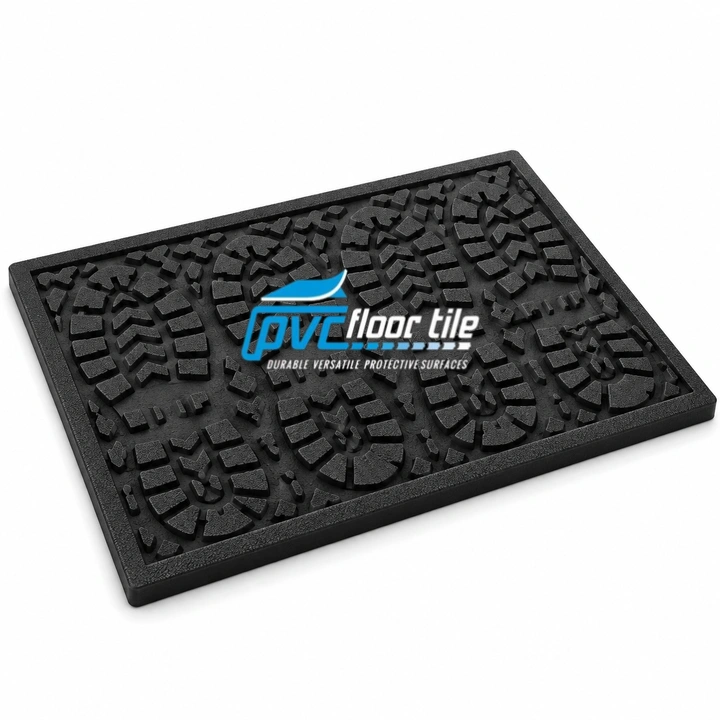
The Rubber Bootprint Scraper Mat 520 × 390 × 12mm is a compact black rubber entrance mat designed to help remove mud, grit, sand, soil and loose debris from footwear before it enters a building. Its distinctive raised bootprint pattern provides a dedicated scraping surface for shoes and work boots, making it a practical choice for residential entrances, workshops, warehouses and commercial access points.
Manufactured from SBR rubber, this mat combines a solid construction with a textured underside and bevelled edges. It can be placed at suitable doorways without a complicated installation process and lifted when cleaning is required.
The 520 × 390mm footprint is especially useful where entrance space is limited or a full commercial entrance matting system is unnecessary. At 12mm thick, the mat provides a substantial raised scraper surface, although door clearance, floor stability and pedestrian movement should always be considered before installation.
For a wider selection of industrial and commercial floor-protection products, explore our Rubber Mats collection.
Rubber Bootprint Scraper Mat Technical Specifications
| Specification | Product Details |
|---|---|
| Product Name | Rubber Bootprint Scraper Mat |
| SKU | RBM-2636 |
| Product Type | Rubber Entrance and Footwear Scraper Mat |
| Material | Rubber; existing description specifies SBR |
| Dimensions | 520 × 390 × 12mm |
| Length | 520mm |
| Width | 390mm |
| Thickness | 12mm |
| Colour | Black |
| Surface Design | Raised Bootprint Scraper Pattern |
| Edge Profile | Bevelled / Sloped |
| Underside | Textured |
| Installation Method | Loose-Lay on Suitable Surfaces |
| Recommended Environment | Outdoor Entrance Areas |
| Suitable Applications | Doorways, Workshops and Selected Commercial Entrances |
| Cleaning | Shake, Brush, Rinse or Hose Clean |
| Nominal Mat Area | Approximately 0.203m² |
.Why Choose a Rubber Bootprint Scraper Mat?
Entrance areas are where much of the dirt carried on footwear first reaches a building. Shoes and boots collect soil, gravel, sand and mud from gardens, parking areas, workshops and external walkways. Without a suitable scraper surface, those particles can be transferred to internal floors.
A rubber bootprint mat provides a convenient first cleaning point before people cross the threshold. The raised surface encourages contact with shoe soles when users wipe their feet, helping loosen debris that would otherwise spread indoors.
This product is particularly useful where a compact, removable mat is preferred over permanent entrance flooring.
Key Benefits of the Raised Bootprint Design
- Raised scraper pattern: Helps loosen mud, grit and loose particles from footwear.
- Solid rubber construction: Provides a practical mat body for everyday doorway use.
- Compact dimensions: Suitable for many single-door and smaller entrance areas.
- Bevelled perimeter: Creates a less abrupt transition than a square-cut edge.
- Textured underside: Helps support stability on suitable prepared surfaces.
- Loose-lay placement: Allows the mat to be positioned and lifted for cleaning.
- Black finish: Coordinates with many residential and commercial entrance areas.
- Straightforward maintenance: Debris can be removed by brushing, shaking or rinsing.
These features make the mat a useful option for customers who need a practical footwear-cleaning product without covering a large floor area.
How the Raised Bootprint Scraper Surface Works
The surface of this rubber scraper mat contains raised bootprint-shaped sections that contact footwear during use.
When a person places a shoe on the mat and wipes it across the raised pattern, the rubber projections help dislodge loose material from the grooves and edges of the sole.
The result depends on the amount and type of dirt present, shoe tread design and how the mat is used. Heavy mud may require several deliberate wiping movements, while wet or sticky substances may need separate cleaning.
Dirt and Debris the Mat Can Help Remove
The surface is intended for common footwear contamination such as:
- Dry soil, loose sand and grit.
- Mud carried from gardens and external walkways.
- Small stones lodged loosely in footwear.
- General dust and outdoor debris.
- Dry workshop particles carried on shoes.
The mat is not a substitute for specialist decontamination systems or footwear-cleaning equipment where hazardous substances are present.
For best results, position it where users naturally pause and clean their shoes rather than where they are likely to step around it.
Where Can Rubber Bootprint Scraper Mats Be Used?
Residential Front and Back Door Entrances
Residential entrances often experience a mixture of outdoor dirt, garden soil and everyday foot traffic.
A compact rubber footwear scraper mat can be placed at a suitable front door, back door or side entrance to provide a convenient cleaning point.
It is particularly useful where the doorway opens onto a garden path, paved outdoor area or driveway.
Because the mat is 12mm thick, measure the clearance beneath any outward-opening door before choosing its final position. Also check that the mat will not obstruct the door or create an unsafe transition.
Workshop Entrances and Maintenance Areas
Workshops can generate dust, grit and dry particles that are carried between work areas and adjoining offices.
A boot scraper mat at a workshop entrance can help manage loose dirt before workers enter cleaner areas.
Suitable positions may include staff doors, tool-room entrances and transitions between maintenance spaces and general access areas.
However, a general-purpose scraper mat should not be assumed to resist prolonged exposure to fuel, oils, solvents or aggressive chemicals. Where these substances are present, confirm the rubber formulation's compatibility before use.
Warehouse Staff Entrances
Warehouse operations often involve movement between internal storage areas, external yards and loading facilities.
A compact scraper mat can provide an additional footwear-cleaning point at selected staff access doors.
The mat is best considered for pedestrian entrance areas rather than forklift routes, pallet movement lanes or areas with heavy wheeled traffic.
Larger or busier entrances may benefit from longer matting systems that allow several cleaning steps.
Retail Service Doors and Back-of-House Areas
Retail facilities frequently have separate entrances for staff, deliveries and maintenance personnel.
These access points may accumulate outdoor dust and debris, especially when they connect directly to loading bays or parking areas.
A Rubber Bootprint Scraper Mat may help reduce loose footwear dirt at compact service entrances. It can also be lifted for cleaning when routine housekeeping takes place.
Schools, Clinics and Commercial Buildings
Selected staff and service entrances in schools, clinics and commercial properties may benefit from a small, easy-to-clean scraper mat.
The product can be considered for appropriate side doors, covered thresholds or maintenance entrances.
In accessible public routes and heavily trafficked entrances, carefully assess the raised mat height, stability, edge profile and applicable safety requirements. A flush-mounted or larger entrance matting system may be more appropriate.
Understanding the 520 × 390 × 12mm Size
The size of an entrance scraper mat influences where it can be placed and how effectively people can use it.
This product has a nominal length of 520mm and width of 390mm, giving it a compact footprint suited to individual footwear-cleaning positions.
It is not intended to cover the entire width of every commercial doorway. Instead, it provides a defined area where a user can place and wipe footwear.
Why the 12mm Thickness Matters
The 12mm thickness creates a noticeable raised mat above the surrounding floor.
This profile accommodates the scraper design and should be considered when planning placement near doors, thresholds and pedestrian routes.
Before installation:
- Confirm that doors open without striking the mat.
- Ensure the mat lies flat.
- Check that the edges do not curl.
- Avoid locations where the mat causes an obstruction.
- Assess pedestrian accessibility and movement patterns.
Thickness alone does not establish a formal slip rating, load capacity or durability classification.
Bevelled Edges and Textured Underside
The bevelled perimeter helps create a gradual transition onto the mat. Compared with an abrupt square edge, a sloped edge can make everyday stepping movements more comfortable.
Nevertheless, the finished mat height and placement must be considered in the context of the doorway.
How the Textured Underside Supports Placement
The underside has a textured design intended to help the mat remain positioned on suitable surfaces.
Actual stability depends on the supporting floor, moisture, surface polish, dust accumulation and the direction of foot traffic.
For example, a mat may behave differently on rough concrete compared with highly polished tiles.
If movement occurs, inspect the floor and reposition the mat. Do not assume the underside provides guaranteed anti-slip performance under every condition.
How to Install a Rubber Bootprint Scraper Mat
The product is intended for straightforward loose-lay placement in suitable entrance areas.
Step 1: Choose the Correct Position
Select an area where people can comfortably pause and wipe footwear without blocking the doorway.
Avoid placing the mat where wheels or moving equipment regularly cross unless suitability has been confirmed.
Step 2: Prepare the Supporting Floor
Remove loose grit, dirt, grease and standing water.
Inspect the floor for unstable surfaces or damage that may prevent the mat from lying flat.
Step 3: Position the Mat
Lay the mat with the bootprint scraper surface facing upwards.
Make sure the entire underside contacts the supporting floor and the bevelled perimeter remains flat.
Step 4: Check Door Clearance
Open and close the adjacent door to ensure the mat does not interfere with its movement.
Adjust the position if necessary.
Step 5: Assess Stability
Carefully test whether the mat remains in position during normal use.
If it slides or shifts, assess the floor conditions and obtain appropriate installation advice rather than assuming any adhesive or tape is universally suitable.
Cleaning and Maintaining the Bootprint Scraper Mat
Entrance mats accumulate the dirt they are designed to remove. Regular cleaning is therefore essential to maintaining their practical function.
Daily Cleaning
In frequently used entrances, inspect the mat for loose debris and accumulated mud.
Shake out grit where practical and use a stiff but suitable brush to remove dirt from the raised bootprint pattern.
Also clean the surrounding entrance area to prevent debris from being immediately transferred back onto footwear.
Washing and Rinsing
The existing product guidance permits rinsing or hose cleaning.
Remove the mat from the entrance, rinse away loose particles and use a mild compatible detergent where necessary.
Avoid aggressive chemicals unless the rubber compound's compatibility has been established.
Allow the mat to dry and clean the supporting floor before replacing it.
Maintenance During Rainy Weather
Rain may increase the amount of wet mud carried into the entrance.
During these periods, inspect the scraper pattern more frequently. Thick mud can build up between raised sections and reduce contact between the mat and footwear.
Do not allow standing water or slippery residues to accumulate underneath the mat.
When Should the Mat Be Replaced?
Inspect the product periodically for cracks, permanent deformation, raised edges, excessive wear or movement that cannot be corrected.
Replacement may be necessary when the scraper pattern no longer performs adequately or when damage creates a safety concern.
Rubber Bootprint Scraper Mat vs Other Entrance Matting
Different entrance mats perform different functions. Selecting the right product depends on dirt type, doorway size, pedestrian traffic and exposure to weather.
| Mat Type | Main Purpose | Typical Application |
|---|---|---|
| Rubber Bootprint Scraper Mat | Scraping loose dirt from footwear | Compact doorways and workshop entrances |
| Rubber Fingertip Mat | Removing dirt through a raised flexible surface | Residential and commercial entrances |
| Rubber Ring Mat | Open-grid dirt and water drainage | Suitable wet and outdoor entrance areas |
| Brush Entrance Matting | Extended footwear-cleaning coverage | Larger commercial and busy entrances |
When Is the Bootprint Mat the Better Choice?
Choose this compact scraper mat when you need a dedicated footwear-cleaning point at a smaller doorway.
It is especially practical where ease of repositioning, simple cleaning and a solid rubber scraper surface are important.
For high-volume entrances, a larger mat may provide more contact time because visitors can take several steps across the cleaning surface.
What to Consider Before Buying
Before purchasing a Rubber Bootprint Scraper Mat, check that the product is appropriate for the entrance and its operating conditions.
Doorway dimensions: Measure the available floor space and check door clearance.
Traffic levels: Consider how frequently people use the entrance and whether a larger system would offer better coverage.
Floor condition: Loose-laid mats require a suitable supporting surface to remain stable.
Weather exposure: Assess whether rain, dirt accumulation or standing water could affect performance.
Cleaning frequency: Workshops and outdoor access areas may require more frequent maintenance than sheltered residential entrances.
Chemical exposure: Verify suitability where oils, fuels or industrial chemicals may contact the mat.
Accessibility: Consider the raised profile, edge transitions and pedestrian mobility requirements.
This assessment helps ensure that the product is chosen for its intended dirt-control purpose rather than simply by appearance.
Frequently Asked Questions About Rubber Bootprint Scraper Mats
What is a Rubber Bootprint Scraper Mat used for?
- It is designed to help remove mud, sand, soil, grit and other loose debris from footwear at entrances. The raised bootprint surface provides contact points against shoe soles when users wipe their feet.
What size is the Rubber Bootprint Scraper Mat?
- The mat measures 520 × 390 × 12mm. Its compact footprint makes it suitable for many smaller entrance areas, subject to doorway dimensions and clearance.
Can the mat be used outdoors?
- The product's listed working environment is outdoor use. Ensure the location allows suitable drainage and that the mat remains stable, particularly during wet weather.
Is the Bootprint Scraper Mat suitable for workshop entrances?
- Yes, it can be considered for pedestrian workshop entrances where loose dirt and grit are carried on footwear. For areas exposed to oils, fuels or aggressive chemicals, verify material compatibility before installation.
Does the mat require adhesive?
- It is generally intended for loose-lay placement on a suitable prepared floor. The mat should remain flat and stable during use; additional restraint should only be considered where appropriate.
Are the edges bevelled?
- Yes, the existing specifications identify bevelled or sloped edges. These provide a less abrupt transition, although the 12mm finished height must still be assessed for the particular entrance.
How do I clean the raised bootprint surface?
- Shake or brush away loose debris, then rinse or hose the mat where required. Use mild compatible cleaning products and allow the mat and supporting floor to dry before replacing it.
Is the mat completely slip-proof?
- No. No mat should be described as slip-proof in every environment. Stability and traction depend on floor condition, moisture, footwear, maintenance and verified product performance.
Is this mat suitable for large shopping centre entrances?
- Its compact dimensions are generally more appropriate for smaller entrances and individual footwear-cleaning points. Large, high-traffic entrances may require broader commercial matting systems.
Buy Rubber Bootprint Scraper Mat 520 × 390 × 12mm in South Africa
The Rubber Bootprint Scraper Mat offers a compact dirt-control solution for residential doorways, workshop entrances and selected commercial access areas.
Additional information
| Weight | 4 kg |
|---|---|
| Dimensions | 520 × 390 × 12 mm |
| Applications | Commercial Flooring |
| Colour | Black |
| Material Types | Rubber |
| Working Environment | Outdoor Use |

Reviews
There are no reviews yet.