
Secure Payment
Your transactions are protected with encrypted SSL security. Payments are processed safely through verified South African payment gateways.
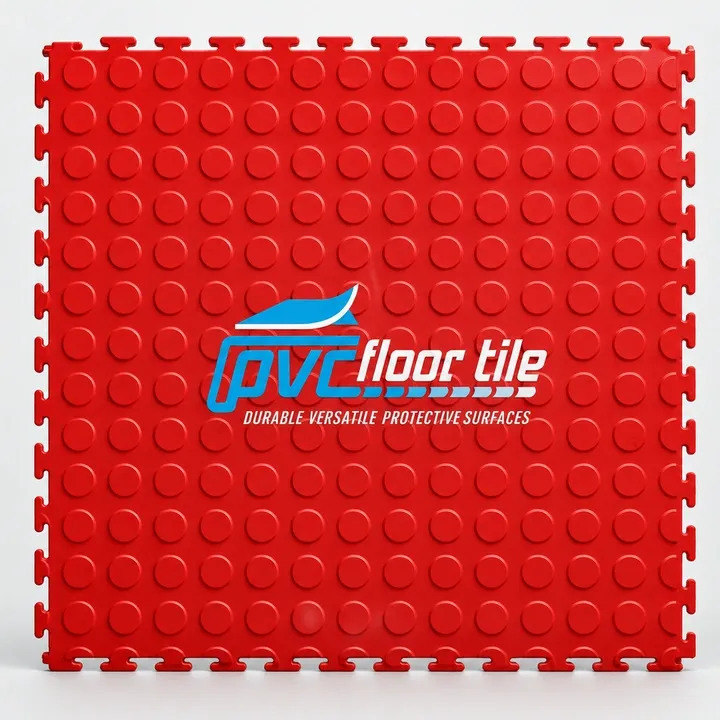
Machine Bay Plastic Tiles 500mm x 500mm x 5mm
Price range: R122,96 through R376,67
Your payments are safe and protected.
Machine Bay Plastic Tiles 500mm × 500mm × 5mm
Our Machine Bay Plastic Tiles are designed for busy work areas where machinery, tools, trolleys, maintenance activity and regular movement can place extra demands on the floor. These 500mm × 500mm × 5mm modular tiles provide a practical flooring option for machine bays, mechanical workshops, repair areas, service zones and other light-industrial workspaces where a clean, organised and maintainable floor surface is important.
Machine bay floors are often exposed to repeated day-to-day use. Equipment may be moved, tools may be dropped, trolleys may travel through the same routes and individual workstations may experience more activity than surrounding areas. A modular tile system makes it possible to cover the floor in separate connected sections rather than relying on one permanently bonded surface.
The visible interlocking edges connect the tiles together to form a joined floor surface. Because the system is modular, individual tiles can be accessed, lifted or replaced when required. This can be particularly useful in work environments where certain sections of the floor receive more use than others or where future access to the underlying floor may be necessary.
Explore our complete range of industrial plastic floor tiles designed for machine bays, workshops, maintenance areas and commercial environments across South Africa.
to compare available options and find the right flooring for your application.
Key Features of Machine Bay Plastic Tiles
The Machine Bay Plastic Tiles are intended to provide a straightforward flooring option for practical work environments. Their size and interlocking format make it easier to plan a layout across larger machine areas, workshops or individual work zones.
- Tile size: 500mm × 500mm
- Thickness: 5mm
- Format: Modular floor tile
- Joining system: Visible interlocking edges
- Installation: Loose-lay interlocking system
- Maintenance: Individual sections can be accessed or replaced when necessary
The modular format also gives the installer more flexibility when working around fixed machinery, structural columns, walls, workbenches or other equipment. Tiles can be planned around the existing workspace rather than requiring every machine or workstation to be repositioned.
Designed for Machine Bays and Working Areas
Machine bays are different from ordinary office or classroom environments because the floor needs to support a more practical type of daily use. Workers may move between machines, tools may be stored or transported across the area, maintenance may take place on the floor and equipment may remain in fixed positions for long periods.
For this reason, the flooring should be selected according to the actual conditions of the area. These tiles are intended for general machine-bay and light-industrial applications where a modular, manageable floor surface is required.
Machine Bay Plastic Tiles provide a practical modular option for work areas that need a manageable and adaptable floor surface.
Typical applications include:
- Machine bays
- Mechanical workshops
- Repair and maintenance areas
- Service centres
- Tool rooms
- Assembly work zones
- Production support areas
- Workshop workstations
- Garage work areas
- Light-industrial facilities
The product should still be matched to the intended use. Where unusually heavy equipment, highly concentrated loads or specialist industrial conditions are involved, the application should be confirmed before ordering.
Practical Benefits for Busy Workspaces
One of the main advantages of a modular machine bay floor is flexibility. Instead of treating the entire floor as one permanent installation, the workspace can be built from individual connected tiles. This allows specific sections to be accessed or changed without necessarily disturbing the full floor area.
In a busy workshop, the area directly around a machine or workbench may experience more activity than a quieter section near a wall. If one area needs attention later, a modular system can make maintenance more manageable.
Because Machine Bay Plastic Tiles are modular, individual sections can be accessed without replacing the entire floor.
- Creates a more organised finished floor surface
- Helps separate the working surface from the existing concrete floor
- Allows individual tiles to be lifted when necessary
- Allows individual damaged sections to be replaced
- Can be planned around machinery and fixed equipment
- Provides flexibility when layouts change in future
- Reduces the need for a fully bonded floor installation
The ability to work with individual tiles can also be useful when a workshop layout changes. If a machine is relocated, a workstation is expanded or the floor arrangement needs to be adjusted, the modular system offers more flexibility than many permanent flooring methods.
Visible Interlocking Tile System
These Machine Bay Plastic Tiles use a visible interlocking joining system. The connecting edges are part of the tile design and lock adjacent tiles together during installation.
A visible-lock system is practical for workshop environments because the installer can clearly see how the tiles connect as the floor is assembled. Once the first rows are aligned correctly, the remaining tiles can be added across the required area.
The visible joining edges of Machine Bay Plastic Tiles make it easy to see how each tile connects during installation.
The finished layout can be adapted around walls, doorways, columns, machines and workstations. Where necessary, tiles can be trimmed to fit around fixed objects while maintaining the overall modular layout.
Installation of Machine Bay Plastic Tiles
Before installation, inspect the existing floor and remove loose dirt, dust and debris. A cleaner and more even starting surface makes it easier to plan and align the tiles.
- Measure the machine bay or workshop area before beginning the installation.
- Remove loose debris from the existing floor.
- Plan where the first row of tiles will be positioned.
- Begin from a straight reference point where possible.
- Connect each tile using the visible interlocking edges.
- Continue the layout across the work area while checking alignment.
- Trim tiles where required around machines, columns, walls or fixed equipment.
- Add suitable edging to exposed sides where a finished transition is required.
Before cutting around fixed machinery, leave enough time to check the full layout. Planning first can reduce unnecessary cuts and help achieve a cleaner overall installation.
Flooring Around Machinery and Equipment
Machine bay layouts are rarely completely open. The floor may need to fit around machines, benches, storage units, support columns or permanently mounted equipment.
The modular nature of the tile system makes it possible to work around these obstacles. Rather than trying to cover the entire room with one continuous sheet, individual tiles can be positioned and trimmed around the existing equipment.
Where a machine has specialist loading requirements, significant vibration or unusually concentrated weight, the suitability of the floor should be confirmed before installation. Machine type and operating conditions can differ considerably from one facility to another.
Cleaning and Routine Maintenance
Regular cleaning helps maintain a more organised workshop environment and prevents loose dirt from building up around workstations or machine areas. The cleaning method should be appropriate for both the tile surface and the type of dirt found in the workspace.
Regular maintenance of Machine Bay Plastic Tiles helps keep busy machine and workshop areas clean and organised.
- Sweep or vacuum loose dust and debris regularly.
- Use a suitable mild cleaning solution when wet cleaning is required.
- Remove dirt from edges and high-traffic work areas as needed.
- Lift individual tiles when access underneath the floor is required.
- Replace individual damaged tiles rather than disturbing the complete floor.
- Avoid unsuitable harsh cleaners unless compatibility has been confirmed.
Workshops can contain different types of contaminants depending on the activity taking place, so cleaning products should always be chosen according to the actual environment and tile specification.
Replacing Individual Machine Bay Tiles
A useful feature of modular flooring is the ability to work with individual sections. If one tile becomes damaged or needs to be removed for access, it may be possible to replace that section without lifting the complete installation.
This can be particularly useful around workstations where the same floor area receives repeated daily activity. Keeping spare tiles from the original order may also make future maintenance easier, particularly where a specific finish or production batch needs to be matched.
Technical Specifications
- Product: Machine Bay Plastic Tiles
- Tile dimensions: 500mm × 500mm
- Thickness: 5mm
- Tile format: Modular interlocking tile
- Interlock: Visible joining edges
- Installation type: Loose-lay interlocking installation
- Typical applications: Machine bays, workshops, repair areas, maintenance zones and light-industrial workspaces
Machine Bay Plastic Tile FAQs
Where can Machine Bay Plastic Tiles be used?
They are intended for machine bays, mechanical workshops, repair areas, service zones, maintenance rooms and similar light-industrial working environments.
Do Machine Bay Plastic Tiles require adhesive?
The tiles use an interlocking system designed for modular installation. Adhesive is not normally required for a standard loose-lay interlocking layout.
Can individual tiles be replaced?
Yes. The modular system allows individual tiles to be accessed and replaced when required without automatically removing the complete floor.
Can Machine Bay Plastic Tiles be installed around fixed machinery?
Yes. The modular layout can be planned around fixed machinery, columns, walls and other equipment. Tiles can be trimmed where necessary to suit the shape of the working area.
Are Machine Bay Plastic Tiles suitable for every type of machinery?
No single flooring product should automatically be assumed suitable for every machine or industrial environment. Very heavy machinery, concentrated loads, unusual vibration or specialist operating conditions should be assessed before ordering.
How many 500mm × 500mm tiles are needed for one square metre?
Four 500mm × 500mm tiles cover approximately one square metre before allowing for cutting, room shape or installation requirements.
Choosing the Right Floor for Your Machine Bay
The right machine bay flooring depends on the way the workspace operates. Consider the type of machinery used, traffic through the area, the condition of the existing floor, whether the layout may change in future and whether any specialist load requirements apply.
Machine Bay Plastic Tiles are best selected according to the machinery, traffic and operating conditions of the intended work area.
Machine Bay Plastic Tiles provide a practical modular option for general workshop and light-industrial environments where easy installation, individual tile access and flexible floor layouts are useful. For applications involving specialist machinery or unusual operating conditions, confirm the intended use before placing an order.
Contact our team if you need help determining whether these tiles are suitable for your machine bay, workshop or maintenance area.
Additional information
| Weight | 5 kg |
|---|---|
| Dimensions | 0,5 × 0,5 × 0,005 m |
| Colour | Beige, Black, Blue, Brown, Dark Grey, Green, Grey, Orange, Red, White, Yellow |
| Dimension | 500 × 500 × 5 mm |
| Applications | Commercial Flooring, Warehouse Flooring, Workshop Flooring |
| Material Types | Recycled PVC |
| Surface Texture | Coin Pattern |
| Working Environment | High-Traffic Zones, Indoor Use, Outdoor Use, Wet Areas |

Reviews
There are no reviews yet.