Secure Payment
Your transactions are protected with encrypted SSL security. Payments are processed safely through verified South African payment gateways.
DrainDeck Interlocking Duckboard Tiles (1 Piece)
Original price was: R110,00.R85,27Current price is: R85,27.
464 in stock
Your payments are safe and protected.
464 in stock
DrainDeck Interlocking Duckboard Tiles 450 × 450 × 16 mm for Wet Areas, Workshops and Commercial Drainage Floors
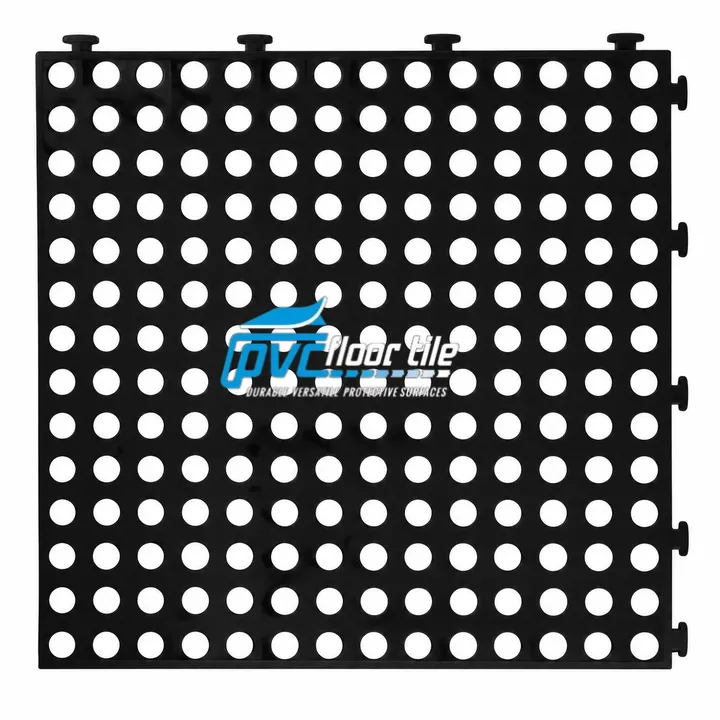
DrainDeck Interlocking Duckboard Tiles 450 × 450 × 16 mm are modular rubber drainage tiles designed for wet, high-traffic and practical work areas where water management, airflow and easy cleaning are important.
Each tile features a raised open-grid duckboard structure that allows water and small debris to move below the upper walking surface rather than remaining directly around footwear.
This makes the product particularly useful in:
- Commercial kitchens.
- Locker rooms.
- Wash bays.
- Workshops.
- Maintenance areas.
- Factories.
- Utility zones.
- Other wet commercial spaces.
For customers comparing other wet-area flooring options, explore our full range of duckboard tiles and drainage mats for commercial, workshop and practical wet-area applications.
DrainDeck Interlocking Duckboard Tile Specifications
| Specification | Product Details |
|---|---|
| Brand | DrainDeck |
| Product Name | Interlocking Duckboard Tile |
| Material | Recycled Rubber |
| Colour | Black |
| Surface | Raised Open-Grid Duckboard |
| Installation | Interlocking / Dry-Lay |
| Main Applications | Kitchens, Wash Bays, |
Why Choose DrainDeck Interlocking Duckboard Tiles?
The main advantage of DrainDeck is its open-grid drainage design.
Instead of forming a solid surface that holds water on top, the duckboard structure allows liquid to pass through to the supporting floor below.
Key benefits include:
- Raised open-grid drainage surface.
- Interlocking edge design.
- Individual tile replacement.
- Easy floor expansion.
- Suitable for wet commercial areas.
- Useful in kitchens and wash bays.
- Practical for selected workshops.
- Straightforward hose-down cleaning.
- Access to the subfloor when required.
For buyers searching for DrainDeck Interlocking Duckboard Tiles, the strongest benefits are drainage, modular installation and suitability for wet or frequently cleaned areas.
Open-Grid Duckboard Design for Drainage
The defining feature of the tile is its raised duckboard structure.
The openings allow:
- Water.
- Cleaning liquid.
- Small debris.
to move below the upper walking surface.
This helps separate footwear from some of the liquid collecting underneath.
However, the tile does not create drainage on its own.
The supporting floor must still have:
- Suitable falls.
- Drainage points.
- Clear water pathways.
If the base retains water, that water may remain beneath the tiles.
Industrial Rubber Construction
DrainDeck tiles are manufactured from rubber.
Rubber provides a resilient, practical surface for wet and commercial environments.
Potential benefits include:
- More forgiving feel than bare concrete.
- Good modular floor protection.
- Practical wet-area construction.
- Easy tile-by-tile handling.
- Replaceable sections.
The product should not be described as resistant to every chemical unless specific compatibility data is available.
Wet-Area Flooring for Commercial Kitchens
Commercial kitchens often experience:
- Water.
- Food residue.
- Cleaning liquids.
- Grease.
- Frequent washing.
The open-grid design can help move some liquid below the walking surface rather than leaving it entirely around staff footwear.
Potential kitchen applications include:
- Preparation areas.
- Sculleries.
- Dishwashing zones.
- Back-of-house work areas.
Good cleaning remains essential, especially where food contamination or grease is present.
Drainage Tiles for Wash Bays
Wash bays are another strong application.
The duckboard format allows water to pass through the tile surface during:
- Equipment washing.
- Vehicle cleaning.
- General wash-down.
- Maintenance cleaning.
The supporting floor must still drain correctly.
Where large amounts of water are used, proper floor falls and drainage points are essential.
Duckboard Tiles for Locker Rooms and Change Areas
Locker rooms and similar wet environments may benefit from a raised drainage surface.
Potential applications include:
- Change rooms.
- Locker areas.
- Shower approach zones.
- Staff wash areas.
The tile should not be described as completely slip-proof.
Wet traction can be affected by:
- Soap.
- Cleaning residue.
- Algae.
- Oils.
- Footwear.
Regular cleaning is important.
DrainDeck Tiles for Workshops
The product may also be considered in selected workshop environments.
Potential uses include:
- Maintenance zones.
- Wash-down sections.
- Workbench areas.
- Tool cleaning stations.
- Utility spaces.
Where workshops involve:
- Heavy machinery.
- Strong solvents.
- Concentrated point loads.
- Aggressive chemicals.
the flooring requirements should be assessed before installation.
Factory and Industrial Wet Areas
DrainDeck may also be useful in selected industrial environments where drainage and modular access are important.
Potential applications include:
- Maintenance areas.
- Wash stations.
- Utility sections.
- Production support zones.
For very demanding industrial applications, the exact load and chemical exposure should be verified before installation.
Interlocking Installation
The tile uses interlocking edges to connect neighbouring pieces.
Potential advantages include:
- Modular installation.
- No full-floor adhesive in many applications.
- Easier repairs.
- Individual tile replacement.
- Easy expansion.
The interlocks should be fully engaged during installation to help keep the floor aligned.
How to Install DrainDeck Interlocking Duckboard Tiles
A typical installation process includes:
Step 1: Clean the Subfloor
Remove:
- Dust.
- Stones.
- Loose debris.
- Grease build-up.
Step 2: Measure the Area
Calculate the floor area carefully.
Remember that approximately 4.94 tiles cover 1 m².
Step 3: Plan the Layout
Choose a straight reference point such as:
- A wall.
- Doorway.
- Drainage edge.
Step 4: Connect the Tiles
Align the interlocking edges and press the tiles together.
Continue row by row.
Step 5: Trim Where Necessary
Tiles may need to be cut around:
- Walls.
- Columns.
- Equipment.
- Drains.
- Fixed structures.
Step 6: Check Drainage
Confirm that water can still move freely beneath the installed floor.
Cleaning DrainDeck Duckboard Tiles
Routine cleaning may include:
- Sweeping.
- Vacuuming.
- Hosing.
- Mopping.
- Using mild detergent.
The open-grid structure allows some debris to fall through the tile.
This means the area beneath the flooring should also be cleaned periodically.
Cleaning Beneath the Tiles
Dust, food debris, sand and other material may collect below the surface.
Because the flooring is modular, sections can be lifted where practical to access the supporting floor.
This is especially important in:
- Kitchens.
- Wash bays.
- Workshops.
- Industrial areas.
Managing Oil, Grease and Workshop Spills
Liquids can pass through the open-grid surface.
This means oil, grease or other contamination should not simply be left beneath the tiles.
Where a spill occurs:
- Remove the surface contamination.
- Lift the affected tiles if practical.
- Clean the supporting floor.
- Allow the area to dry where appropriate.
- Reinstall the tiles.
Practical Surface Traction
The rubber surface provides practical texture underfoot.
However, avoid describing the product as completely non-slip unless a formal slip-resistance rating exists.
Traction can change when the floor is contaminated by:
- Oil.
- Grease.
- Soap.
- Water.
- Cleaning residue.
Good housekeeping remains essential.
Individual Tile Replacement
If one tile becomes damaged, the modular format may allow only that section to be replaced.
This can help:
- Reduce repair disruption.
- Avoid complete floor replacement.
- Simplify maintenance.
Keeping spare compatible tiles can make future repairs easier.
Expand or Reconfigure the Floor
The modular system can also be expanded.
Additional tiles may be added if:
- A wash area grows.
- A workshop expands.
- A kitchen layout changes.
- More drainage coverage is required.
This makes the system flexible for evolving commercial spaces.
DrainDeck Duckboard Tiles vs Solid Rubber Mats
DrainDeck Open-Grid Tiles
Better where:
- Drainage is important.
- Water needs to move below the surface.
- Modular replacement is useful.
- Floor access is required.
Solid Rubber Mats
Better where:
- A closed surface is preferred.
- Drainage through the mat is unnecessary.
- Small objects must stay above the floor.
DrainDeck Duckboard Tiles vs Ring Mats
Both can be used in wet environments, but the construction differs.
Duckboard Tiles
Provide:
- Modular interlocking format.
- Square tile layout.
- Expandable floor coverage.
- Raised drainage structure.
Ring Mats
Provide:
- Flexible mat format.
- Large drainage holes.
- Standalone placement.
The correct product depends on whether the customer wants a modular floor or an individual mat.
DrainDeck vs Vented Polypropylene Tiles
DrainDeck Rubber Tiles
Provide:
- More resilient rubber feel.
- Raised duckboard construction.
- Wet-area suitability.
Polypropylene Vented Tiles
Provide:
- Firmer rigid structure.
- Lightweight handling.
- Automotive or outdoor styling.
The environment should determine the correct material.
Frequently Asked Questions About DrainDeck Interlocking Duckboard Tiles
What material is it made from?
- The product is manufactured from industrial rubber.
Are they suitable for wet areas?
- Yes. Wet-area drainage is one of the main applications.
Can they be used in commercial kitchens?
- Yes, in suitable commercial kitchen and back-of-house areas.
Are they suitable for wash bays?
- Yes. Wash bays are a strong application provided the subfloor drains correctly.
Can individual tiles be replaced?
- Yes. Individual tiles may be replaced where practical.
Are they completely slip-proof?
- No. The textured rubber surface provides practical traction, but wet-area safety still depends on contamination, footwear and cleaning.
Can the tiles be hosed down?
- Yes. Hosing can be used where the environment and drainage system allow.
Buy DrainDeck Interlocking Duckboard Tiles in South Africa
Choose DrainDeck Interlocking Duckboard Tiles when you need a modular rubber floor for a commercial kitchen, wash bay, locker room, workshop or industrial wet area where water management and easy maintenance are important.
The 450 × 450 × 16 mm format, raised open-grid duckboard surface and interlocking rubber construction create a practical floor that can be expanded, cleaned and repaired in sections.
Additional information
| Weight | 1,7 kg |
|---|---|
| Dimensions | 450 × 450 × 15 mm |
| Working Environment | High-Traffic Zones |
| Colour | Black |
| Applications | Workshop Flooring |

Reviews
There are no reviews yet.