


Secure Payment
Your transactions are protected with encrypted SSL security. Payments are processed safely through verified South African payment gateways.
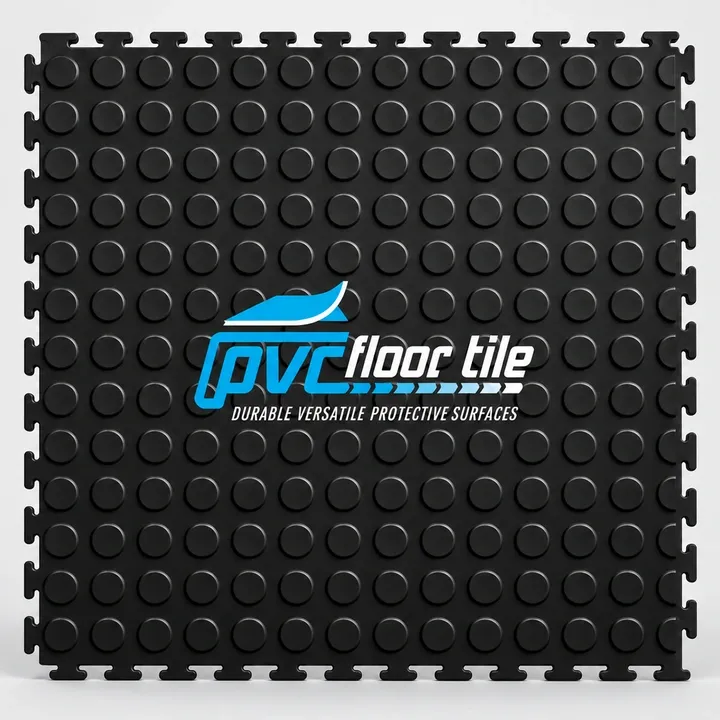
Indoor Training Mats 1sqm 500 x 500mm
Price range: R122,96 through R376,67
Your payments are safe and protected.
Indoor Training Mats – 500 × 500mm for Home Workout Rooms and Fitness Studios
Indoor Training Mats are modular flooring tiles designed to create organised exercise spaces in home workout rooms, personal training studios and suitable indoor fitness environments. Their 500 × 500mm format makes it easier to plan a dedicated exercise area, protect selected sections of an existing floor and maintain a consistent appearance across a training space.These indoor workout floor mats are practical for areas used for stretching, mobility exercises, controlled conditioning and suitable fitness equipment. The correct choice depends on the activity, floor condition, equipment loading and installation requirements.
For broader floor protection options, explore our Rubber Mats collection, which includes industrial mats, anti-fatigue products, entrance mats and other specialised flooring solutions.
Indoor Training Mats Technical Specifications
| Specification | Product Details |
|---|---|
| Product Name | Indoor Training Mats |
| Product Type | Modular Indoor Rubber Flooring Tiles |
| Material – Black Tiles | Recycled Rubber |
| Material – Other Colours | Virgin Rubber |
| Tile Dimensions | 500 × 500mm |
| Available Thickness Options | 5mm and 6mm |
| Coverage Per Tile | 0.25m² |
| Tiles Per Square Metre | 4 |
| Surface Finish | Raised Coin Pattern |
| Colours | Various |
| Primary Applications | Home Workout Rooms and Personal Training Studios |
| Additional Applications | Selected Warm-Up, Mobility and Indoor Exercise Areas |
| Installation | According to the Supplied Tile Connection and Fitting Requirements |
| Maintenance | Regular Sweeping, Vacuuming and Compatible Damp Cleaning |
| Recommended Environment | Indoor Use |
Why Choose Indoor Training Mats for Your Workout Area?
Creating a suitable training space involves more than selecting exercise equipment. The floor should support the intended activities, provide practical coverage and be easy to maintain.
Modular training flooring allows homeowners and fitness operators to define specific activity zones without necessarily replacing the entire existing floor. Its square format also makes measuring, ordering and planning straightforward.
Create a Dedicated Home Workout Space
- A spare bedroom, converted garage room or home fitness studio may be used for several activities throughout the week. A clearly defined training section helps separate exercise equipment from surrounding furniture and household flooring.
- Indoor Training Mats can be arranged to cover the intended activity area, provided the tile system is installed correctly and remains stable during use.
- Their modular format allows buyers to calculate the floor coverage required for compact or larger spaces.
Protect Suitable Existing Floor Surfaces
Exercise benches, portable equipment and repeated movement can expose the underlying floor to scuffs and general wear.
A compatible flooring layer helps separate everyday training activity from the supporting surface. However, the level of protection depends on the tile material, installation and the forces applied.
These 5mm and 6mm options should not automatically be regarded as impact-rated flooring for dropped barbells, heavy weights or equipment with concentrated loading points.
Maintain a Consistent Fitness Studio Appearance
- Fitness studios often use flooring to distinguish warm-up areas, exercise stations and circulation zones.
- The available colour options can help create an organised interior or coordinate the training space with existing equipment and décor.
- Before ordering multiple colours, confirm which combinations are available in the required thickness and whether the selected tiles can be installed together.
Where Can Indoor Training Mats Be Used?
Home Workout Rooms and Personal Exercise Areas
- Home workout spaces commonly include stretching, resistance bands, light conditioning activities and portable exercise equipment.
- Indoor Training Mats can provide a defined surface for compatible training routines. A compact layout is particularly useful where the room also serves another purpose.
- Measure the area carefully and allow enough clearance around equipment, doors and circulation paths.
- If exercises require considerable cushioning for knees, elbows or floor-based movement, a specialist exercise mat may still be necessary.
Personal Training Studios
- Personal trainers often need flexible areas where clients can move between warm-up exercises, controlled strength work and mobility activities.
- Modular fitness studio floor tiles allow the training area to be planned around existing room dimensions.
- The suitability of the flooring should be assessed against client traffic, cleaning frequency, footwear and movement intensity.
- Where frequent equipment repositioning occurs, confirm that the flooring will remain stable and that edges will not become trip hazards.
Indoor Warm-Up and Mobility Areas
Warm-up areas may accommodate controlled stretches, standing mobility exercises and low-impact movements.
A dedicated flooring section helps organise these activities and distinguish the training area from adjoining surfaces.
For exercises involving kneeling, lying down or significant joint contact, choose additional exercise cushioning where necessary rather than relying solely on the floor tile thickness.
Selected Cardio and Conditioning Spaces
- Fitness facilities may include exercise bikes, compact cardio machines and functional training stations.
- Before placing any machine on these tiles, check the equipment manufacturer's flooring recommendations, weight distribution and expected vibration.
- Equipment with wheels, narrow feet or repeated movement may require additional protection or a different flooring solution.
5mm vs 6mm Indoor Training Mats: Which Should You Choose?
Both listed thicknesses share the same nominal 500 × 500mm dimensions and 0.25m² coverage.
The main difference is their installed thickness, which can affect finished floor height, transitions and compatibility with adjoining surfaces.
5mm Indoor Training Mats
- The 5mm option offers a lower-profile flooring format for compatible indoor training applications.
- It may be considered where finished floor height is important, such as around existing doorways or adjacent flooring.
- However, a lower profile does not establish suitability for all exercise activities. Confirm the expected traffic and equipment conditions before selecting it.
6mm Indoor Training Mats
The 6mm variation provides an additional millimetre of nominal thickness.
This difference should be considered when matching existing flooring, planning thresholds and selecting replacement tiles.
Greater thickness does not automatically mean better shock absorption, load capacity or impact protection. Those properties depend on the full product construction and verified performance characteristics.
Indoor Training Mats Compared With Other Fitness Flooring
Choosing flooring becomes easier when the intended activity is clear.
Indoor Training Mats vs Portable Yoga Mats
A portable yoga mat is generally intended for individual floor-based exercise and can be rolled or stored after use.
Modular training tiles are designed to cover a defined section of the room.
They offer a practical flooring layout, but they do not necessarily provide the same cushioning or portability as a specialist yoga mat.
Indoor Training Mats vs Heavy-Duty Gym Tiles
- Heavy-duty gym tiles may be designed for specialised equipment, strength-training spaces and repeated impact exposure.
- Thin modular training tiles should not be considered equivalent simply because both products can be used in fitness environments.
- For specialised gym installations, explore our Gym Flooring collection and compare the relevant product specifications.
Indoor Training Mats vs EVA Foam Flooring
EVA foam flooring has different material characteristics from other modular flooring systems.
It is often considered for applications requiring particular cushioning characteristics, but suitability depends on the foam grade and intended activity.
Training tile selection should consider stability, expected equipment loads, cleaning requirements and the type of movement taking place.
How to Install Indoor Training Mats
A successful installation begins with a suitable supporting floor and a layout that matches the room.
Step 1: Inspect and Prepare the Subfloor
- Ensure the existing floor is firm, stable, reasonably level and suitable for the intended flooring system.
- Check for loose coatings, damaged concrete, uneven tiles or moisture problems that could affect installation.
- Where the supporting surface is unsuitable, correct the problem before fitting the training tiles.
Step 2: Measure the Exercise Area
Record the length and width of the available space.
Identify permanent fixtures, door swings, equipment positions and any adjoining floor finishes.
This helps determine the number of tiles required and where cuts or transitions may be necessary.
Step 3: Plan the Tile Arrangement
Arrange the tiles according to their actual connection system and the manufacturer's installation guidance.
Confirm that the selected thickness and colour variations are compatible before mixing them within the same floor.
Avoid layouts that create unsupported corners or unstable edges.
Step 4: Install and Inspect
- Fit the tiles using the approved method for the supplied product.
- If cutting is required, use equipment suitable for the confirmed material and thickness.
- Inspect the completed floor for gaps, movement, raised edges and uneven transitions before use.
Step 5: Position Compatible Fitness Equipment
Place equipment only after confirming the floor's suitability for the expected load.
Avoid dragging heavy machines across the surface. Consider additional equipment protection where concentrated feet or movement may damage the flooring.
Reinspect the area periodically, particularly where training activities or equipment arrangements change.
Cleaning and Maintaining Indoor Training Mats
Consistent cleaning helps keep fitness flooring presentable and reduces the accumulation of dirt around equipment and training zones.
Daily and Routine Cleaning
Sweep or vacuum the floor to remove dust, grit and other loose particles.
Pay attention to the raised coin-pattern texture, where debris may collect around the circular surface details.
In shared exercise spaces, clean up spills and sweat promptly using procedures appropriate for the flooring material.
Damp Cleaning
Where approved for the product, clean with a mild compatible detergent and a damp mop.
Avoid excessive water, harsh solvents and cleaning chemicals that have not been confirmed as suitable.
Allow the floor to dry before resuming activities, and prevent moisture from becoming trapped beneath the tiles.
Long-Term Inspection
- Check the installation for worn surfaces, gaps, loose sections and raised edges.
- Inspect areas around exercise equipment where repeated loading may occur.
- Replace damaged tiles with compatible products of the correct thickness, colour and connection system.
Important Considerations Before Buying Indoor Training Mats
Before placing an order, confirm that the flooring matches your intended training activities.
Consider the following:
- Exercise intensity: Distinguish light conditioning and mobility activities from heavy lifting and high-impact training.
- Equipment weight: Check machine loading, feet, wheels and vibration requirements.
- Floor condition: Assess levelness, stability and moisture exposure.
- Thickness: Select the 5mm or 6mm variation according to the intended installation.
- Colour availability: Confirm the required colour and thickness combination.
- Maintenance: Choose cleaning products compatible with the flooring material.
- Floor transitions: Ensure entrances and adjoining surfaces remain accessible and do not create trip hazards.
If you are unsure which flooring system is suitable, provide the room dimensions, exercise types, equipment details and subfloor condition when requesting product advice.
Frequently Asked Questions About Indoor Training Mats
What are Indoor Training Mats?
Indoor Training Mats are modular flooring tiles intended for selected home workout rooms, fitness studios and indoor training sections. They provide defined floor coverage for compatible activities rather than acting as portable individual exercise mats.
What size are the training tiles?
Each tile measures 500 × 500mm and provides 0.25m² of nominal coverage. Four tiles are needed to cover one square metre before installation allowances.
Are 5mm and 6mm options available?
The product listing includes 5mm and 6mm thickness variations. Availability depends on the selected colour and current product options.
How many tiles do I need for a 10m² home gym?
A 10m² area requires 40 tiles before wastage. With a 5% planning allowance, the estimate is 42 tiles.
Are Indoor Training Mats suitable for treadmills?
Suitability depends on the treadmill's weight, contact points, vibration and manufacturer's flooring recommendations. Confirm that the selected tile can support the machine before installation.
Can these mats be used for heavy weightlifting?
Do not assume the 5mm or 6mm options are suitable for repeated dropped weights. Heavy lifting and impact-intensive training may require specialised gym flooring with verified performance specifications.
Can Indoor Training Mats be installed over concrete?
Installation may be possible over firm, dry, clean and reasonably level concrete. The actual fitting method and subfloor requirements depend on the supplied tile system.
Do these tiles need adhesive?
Adhesive requirements depend on the product construction, connection system and intended activity. Follow the appropriate installation guidance rather than assuming every modular floor can be loose-laid.
Are the tiles slip-proof?
No flooring should be described as universally slip-proof. Grip depends on surface conditions, footwear, contaminants and the product's verified slip-resistance performance.
How do I clean Indoor Training Mats?
Sweep or vacuum loose debris regularly, remove spills promptly and use a mild cleaner approved for the product material. Avoid excessive water and harsh chemicals unless specifically permitted.
Buy Indoor Training Mats in South Africa
Indoor Training Mats – 500 × 500mm offer a practical modular flooring option for suitable home workout rooms, personal training studios and indoor exercise spaces.
Additional information
| Weight | 5 kg |
|---|---|
| Dimensions | 500 × 500 × 5 mm |
| Dimension | 500 × 500 × 5 mm, 500 × 500 × 6 mm |
| Colour | Beige, Black, Blue, Brown, Green, Grey, Orange, Red, White, Yellow |
| Applications | Gym Flooring |
| Benefits | Anti-Slip Surface |
| Durability | High Impact Resistant |
| Material Types | Rubber |
| Surface Texture | Coin Pattern |
| Wear Ratings | Best |
| Working Environment | Indoor Use |

Reviews
There are no reviews yet.