


Secure Payment
Your transactions are protected with encrypted SSL security. Payments are processed safely through verified South African payment gateways.
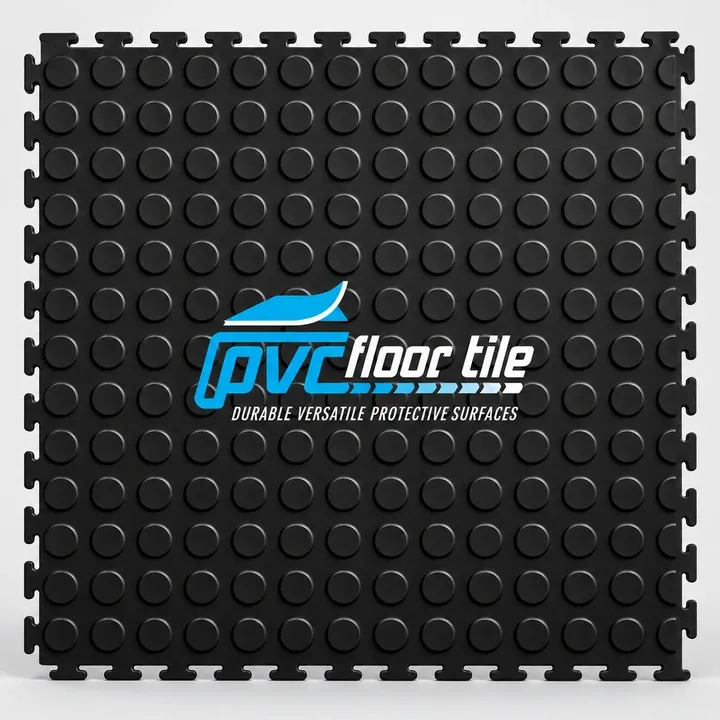
Recovery Area Tiles 500 x 500 x 5mm
Price range: R122,00 through R361,35
Your payments are safe and protected.
Recovery Area Tiles – Interlocking Training Surface for Stretching, Cooldown Zones and Indoor Exercise Spaces
Recovery Area Tiles are designed for customers who need a comfortable, practical and easy-to-install surface for stretching zones, cooldown areas, mobility sections, workout rooms and indoor training spaces. These interlocking tiles are useful in areas where people need a softer and more supportive surface after training, during warm-ups, or while doing low-impact exercise.
A recovery area is an important part of many exercise spaces. It gives users a dedicated place to stretch, cool down, perform mobility work, complete bodyweight exercises, or prepare before a workout. Recovery Area Tiles help create that space in a neat and organised way.
These tiles are suitable for home workout rooms, personal training studios, conditioning areas, school fitness rooms, wellness spaces and selected commercial training environments. They help protect the original floor while making the area more comfortable and easier to maintain.
Product Specifications for Recovery Area Tiles
| Specification | Detail |
|---|---|
| Surface Type | Interlocking training surface |
| Material | Recylced Rubber |
| Installation | Interlocking DIY installation |
| Best For | Stretching zones, cooldown areas, mobility spaces and workout rooms |
| Use Level | Suitable for light to medium training activity |
| Maintenance | Sweep, vacuum and damp mop |
| Working Environment | Indoor exercise spaces and selected covered areas |
| Main Benefit | Creates a practical surface for recovery, stretching and low-impact movement |
Why Choose Recovery Area Tiles for Stretching and Cooldown Spaces?
Recovery Area Tiles are a practical choice for customers who want to create a dedicated space for stretching, mobility work and cooldown routines. Many training areas focus only on machines, weights or high-impact movement, but users also need a clean and comfortable section where they can recover after exercise.
These tiles help define that area clearly. Instead of stretching directly on hard concrete, tiles, screed or painted floors, customers can create a more suitable recovery zone. This makes the exercise space feel more complete and easier to use.
The interlocking design also makes installation simple. Customers can start with a small area and expand later if the recovery zone needs to grow. This is useful for home users, personal trainers and studios that want flexibility in the layout.
Recovery Area Tiles also help protect the original floor from daily movement, foot traffic and equipment placement. They are not only about comfort; they also help keep the room cleaner, more organised and more professional.
Key Benefits of Recovery Area Tiles for Indoor Training Spaces
One of the main benefits of Recovery Area Tiles is that they help create a softer and more practical surface for low-impact movement. Stretching, warm-ups, mobility drills and cooldown exercises are easier to perform when the surface feels more suitable than a bare hard floor.
Another benefit is floor protection. Even recovery and stretching zones can experience regular foot traffic, light equipment use and daily movement. These tiles help reduce direct wear on the original floor underneath.
The interlocking system makes the surface easy to install and adjust. Customers can create a selected recovery section, extend the area later, or replace individual tiles if needed.
Recovery Area Tiles are also easy to maintain. Regular sweeping, vacuuming and damp mopping can help keep the surface clean and ready for daily use. This is important in spaces where users may sit, stretch or perform floor-based movements.
The tiles also help improve the appearance of the room. A defined recovery section makes the training space look more organised and professional.
Common Uses for Recovery Area Tiles in Workout Rooms and Studios
Recovery Area Tiles can be used in many indoor exercise spaces. They are suitable for stretching zones, cooldown areas, mobility corners, warm-up sections, bodyweight exercise spaces and wellness rooms.
They can also be used in personal training studios where clients need a dedicated place for stretching before or after a session. In home workout rooms, these tiles help create a cleaner and more comfortable space for stretching, resistance band work and general movement.
For schools, workplace wellness rooms and small training spaces, Recovery Area Tiles can provide a simple way to improve selected areas without replacing the full floor.
They are also useful near equipment sections where users need a place to rest, stretch or complete accessory movements. This makes the product flexible for different types of exercise layouts.
Best Applications for Recovery Area Tiles in Fitness and Wellness Areas
Recovery Area Tiles work best in spaces where users perform lower-impact movements. They are suitable for stretching areas, cooldown zones, yoga-style movement, mobility drills, warm-up spaces and bodyweight training sections.
In a home workout room, they can help turn a spare room or indoor corner into a more useful training area. Customers can use the tiles for warm-ups, stretching after cardio, or floor-based exercise.
In a personal training studio, the tiles can create a professional section where clients can prepare before a session or recover afterwards. This helps improve the overall experience of the training space.
In commercial exercise environments, Recovery Area Tiles can be used in selected zones where users need a quieter and more comfortable area away from heavier equipment sections.
They are also suitable for wellness spaces where comfort, cleanliness and easy maintenance are important.
How Recovery Area Tiles Help Create a Better Training Layout
A good training space is not only about equipment. The layout also matters. Customers need areas for movement, stretching, cooldowns, warm-ups and recovery. Recovery Area Tiles help create a clear section for these activities.
When the recovery area is defined, the room becomes easier to organise. Equipment can stay in one section, while stretching and mobility work can happen in another. This can make the room feel more spacious and practical.
For home users, a dedicated recovery area can make workouts more enjoyable. It gives them a specific place to stretch, cool down and complete bodyweight work without using the main living space.
For personal trainers, a recovery zone can improve client sessions. Clients can warm up properly before training and cool down afterwards in a clean, comfortable area.
For commercial spaces, a defined recovery zone can improve the overall look and flow of the room.
Recovery Area Tiles for Home Workout Rooms
Home workout rooms often start small. A customer may begin with a mat, a bench, a few dumbbells or one cardio machine. Over time, the room can become more complete. Recovery Area Tiles are useful because they allow customers to create a dedicated stretching and movement zone.
They can be used in spare rooms, enclosed patios, indoor training corners and home exercise areas. They are especially useful where the original floor is too hard or uncomfortable for floor-based activity.
A home user can use Recovery Area Tiles for stretching, mobility work, warm-ups, cooldowns, resistance band training and bodyweight exercises.
The interlocking design makes them easy to place and expand. Customers can start with a small recovery section and add more tiles later as the room layout grows.
Recovery Area Tiles for Personal Training Studios
Personal training studios need flexible spaces. A trainer may guide clients through stretching, warm-ups, strength work, conditioning and cooldown routines during one session. A dedicated recovery section makes the studio easier to use.
Recovery Area Tiles are suitable for PT studios because they create a clean and practical surface for client movement. Clients can stretch, warm up and cool down in a defined section instead of using a hard floor.
The tiles also help the studio look more professional. A clean recovery area shows that the space has been planned carefully for different parts of a training session.
For trainers, this can improve the client experience. A comfortable recovery area can make sessions feel more organised and complete.
Recovery Area Tiles for Mobility and Warm-Up Zones
Mobility and warm-up zones are important in many training environments. Users often need space to prepare their bodies before exercise. This can include stretching, activation drills, light movement, resistance band work and bodyweight preparation.
Recovery Area Tiles help create a better surface for these activities. They are practical for standing movements, floor-based drills and gentle exercise.
A dedicated warm-up area can also help reduce clutter in the main training zone. Instead of warming up between machines or equipment, users can move to a separate section.
This improves the flow of the room and helps keep the training area more organised.
Installation Guide for Recovery Area Tiles
Before installation, make sure the floor is clean, dry, firm and level. Remove dust, moisture, grit and loose material so the tiles can sit properly.
Plan the layout before connecting the tiles. Decide where the recovery area should be placed and measure the space carefully. Start from a straight edge or corner and work across the area.
Connect the interlocking edges firmly and keep the rows aligned for a neat finish. If the area includes walls, corners or fixed equipment, measure carefully before trimming.
In many indoor spaces, the tiles can be loose-laid. For busier areas or commercial use, edging or adhesive may be used for extra stability.
Cleaning and Maintenance Tips for Recovery Area Tiles
Recovery Area Tiles are easy to maintain with regular cleaning. Sweep or vacuum often to remove dust, dirt, chalk and loose debris from the surface.
For deeper cleaning, use a damp mop with mild soap and clean water. Avoid bleach, harsh chemicals, oily cleaners and strong solvents, as these may affect the surface.
Spills should be wiped quickly to reduce slipping risk. Because users may sit or stretch on the surface, keeping the area clean is especially important.
Check the interlocking joins from time to time and press any loose sections back into place if movement occurs.
Buying Advice Before Ordering Recovery Area Tiles
Before ordering Recovery Area Tiles, measure the space carefully. Think about how many people will use the recovery area at one time and what activities will take place there.
A small home workout room may only need a compact stretching section. A personal training studio may need a larger space for client warm-ups and cooldowns. A commercial facility may need a more open recovery zone that can handle several users.
Customers should also consider where the recovery area will be placed. It is usually best to position it away from heavy equipment movement and repeated weight drops.
If the area may expand later, choose a layout that allows more tiles to be added without disrupting the full room.
FAQs About Recovery Area Tiles
- Are Recovery Area Tiles suitable for stretching zones?
Yes, they are suitable for stretching, cooldowns, mobility work and low-impact movement. - Can Recovery Area Tiles be used in home workout rooms?
Yes, they are useful for home exercise spaces, spare rooms and indoor training corners. - Are Recovery Area Tiles suitable for personal training studios?
Yes, they are suitable for PT studios, warm-up spaces and client recovery areas..
Final Summary for Recovery Area Tiles
Recovery Area Tiles are a practical option for customers who need a comfortable and organised surface for stretching zones, cooldown areas, mobility spaces and indoor workout rooms. They help create a dedicated recovery section while protecting the original floor from daily movement and wear.
They are suitable for home workout rooms, personal training studios, wellness areas, school fitness spaces and selected commercial exercise environments. With interlocking installation, easy cleaning and flexible layout options, Recovery Area Tiles are a useful choice for improving both comfort and organisation in training spaces.
Additional information
| Weight | 5 kg |
|---|---|
| Dimensions | 0,5 × 0,5 × 0,005 m |
| Dimension | 500 × 500 × 5 mm, 500 × 500 × 6 mm |
| Colour | Beige, Black, Blue, Brown, Green, Grey, Orange, Red, White, Yellow |
| Applications | CrossFit, Gym Flooring, Home Gym |
| Benefits | Anti-Slip Surface, Easy Installation, Shock Absorption |
| Durability | High Impact Resistant, Industrial Strength, Light Duty |
| Material Types | Recycled Rubber |
| Surface Texture | Coin Pattern |
| Wear Ratings | Better |
| Working Environment | High-Traffic Zones, Indoor Use, Outdoor Use, Wet Areas |

Reviews
There are no reviews yet.