


Secure Payment
Your transactions are protected with encrypted SSL security. Payments are processed safely through verified South African payment gateways.
Functional Training Tiles
Price range: R575,00 through R661,25
Your payments are safe and protected.
Functional Training Tiles – Rubber Flooring for Workout Rooms, Conditioning Areas & PT Studios
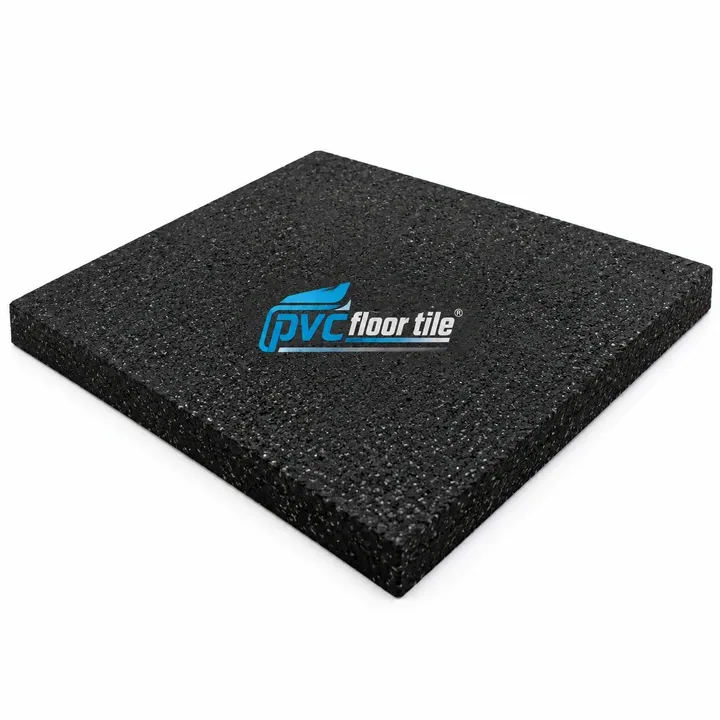
Functional Training Tiles are durable rubber floor tiles designed for workout rooms, conditioning areas, personal training studios, home exercise spaces and selected commercial training environments where customers need a practical surface for regular movement, exercise equipment and everyday training activity.
These tiles can be used beneath treadmills, exercise bikes, rowing machines, benches and selected strength-training equipment, while also creating a more suitable surface for warm-ups, stretching, mobility work, bodyweight exercises and general conditioning sessions.
Unlike permanent floor finishes, rubber training tiles can be used to create a dedicated exercise section within an existing room. This makes them particularly useful for home workout rooms, PT studios and mixed-use training areas where the flooring needs to support several types of activity without requiring a complete renovation.
Functional Training Tiles are intended primarily for general functional exercise and equipment areas. Where repeated heavy weight drops occur, dedicated lifting platforms, thicker impact flooring or drop pads should be used in those specific sections.
For broader exercise-flooring options, customers can also explore our Gym Flooring collection.
Functional Training Tiles Technical Specifications
| Specification | Product Details |
|---|---|
| Product Name | Functional Training Tiles |
| Previous Product Name | Heavy Duty Rubber Gym Mats |
| Material | Recycled Rubber |
| Product Format | Modular Training Floor Tiles |
| Primary Use | Workout and Exercise Areas |
| Best For | PT Studios and Workout Rooms |
| Installation | Lay on a Clean, Dry and Suitable Level Floor |
| Cleaning | Sweep, Vacuum and Damp Mop |
| Recommended Environment | Indoor Training Areas |
| Heavy-Drop Guidance | Specialist Impact Flooring in Dedicated Lifting Zones |
What Are Functional Training Tiles?
Functional Training Tiles are rubber floor tiles intended for exercise areas where users perform a mixture of movement-based training, cardio work, resistance exercises, stretching and general conditioning.
Functional training spaces are often different from traditional single-purpose gym areas because the same floor may be used for several activities throughout the day.
A typical session may include:
- Mobility work.
- Warm-ups.
- Bodyweight exercises.
- Resistance-band training.
- Cardio intervals.
- Dumbbell exercises.
- Conditioning drills.
- Stretching.
The flooring therefore needs to provide a practical surface for changing activities while helping protect the original floor beneath equipment and everyday movement.
Why Choose Functional Training Tiles?
One of the main advantages of Functional Training Tiles is their versatility.
Instead of being limited to one exercise type, they can be used across general workout areas where users move between cardio equipment, free movement, stretching and selected strength exercises.
Key benefits include:
- Rubber construction.
- Suitable for general indoor training.
- Useful beneath selected exercise equipment.
- Practical for movement and conditioning areas.
- Helps reduce direct equipment contact with the existing floor.
- Suitable for home workout rooms.
- Suitable for personal training studios.
- Straightforward routine cleaning.
- Flexible floor layouts.
- Dedicated heavy-drop areas can be supplemented with drop pads.
Rubber Flooring for Everyday Training
Many indoor training spaces start with concrete, screed, ceramic tile or another hard floor.
These surfaces may be durable as building floors, but they are not always ideal for regular floor-based exercise.
A rubber training surface creates an additional layer between the user, exercise equipment and the underlying floor.
This can make the area more practical for:
- Warm-ups.
- Stretching.
- Bodyweight movements.
- General strength exercises.
- Exercise machines.
- Conditioning sessions.
The product should still be selected according to the actual training activity and equipment being used.
Functional Training Tiles for Home Workout Rooms
A spare bedroom, garage section or other indoor room can often be converted into a workout area without replacing the entire floor.
Functional Training Tiles can help define a dedicated exercise zone within the room.
They may be used beneath:
- Treadmills.
- Exercise bikes.
- Rowing machines.
- Benches.
- Dumbbell racks.
- General fitness equipment.
They can also be used across open sections where users perform stretching, mobility drills and bodyweight exercises.
This allows customers to create a more organised workout environment while retaining flexibility if the room layout changes later.
Functional Training Tiles for Personal Training Studios
Personal training studios often need to accommodate many different exercises within a relatively compact space.
A trainer may use the same section for:
- Client warm-ups.
- Mobility exercises.
- Resistance training.
- Conditioning drills.
- Cardio sessions.
- Recovery work.
Functional Training Tiles can provide a consistent rubber surface across these multi-purpose zones while helping protect the floor underneath.
A defined training surface can also contribute to a more organised and professional-looking studio.
Conditioning Area Flooring
Conditioning areas often involve repeated movement rather than stationary equipment alone.
Common activities may include:
- Bodyweight circuits.
- Agility work.
- Step movements.
- Mobility exercises.
- Resistance-band training.
- General cardio drills.
Functional Training Tiles can create a dedicated floor section for this type of activity.
The rubber surface is particularly useful where customers want something more suitable for movement-based exercise than exposed concrete or ceramic flooring.
Flooring for Cardio Equipment Areas
Exercise machines can remain in one position for long periods and may place concentrated pressure on the underlying floor.
Functional Training Tiles can be positioned beneath selected cardio equipment such as:
- Treadmills.
- Exercise bikes.
- Rowing machines.
- General cardio machines.
The tiles create a barrier between the equipment and the original floor.
Equipment weight and base design should still be considered before installation, particularly for unusually heavy machines.
Functional Training Tiles for Strength Areas
These tiles can also be used in selected strength-training areas where users work with:
- Benches.
- Dumbbells.
- Resistance equipment.
- Bodyweight exercises.
- Light-to-moderate free-weight training.
However, general training tiles should not automatically be treated as weight-dropping flooring.
Repeated dropping of heavy barbells or dumbbells can create concentrated impact forces that require thicker specialist flooring.
For dedicated lifting zones, use:
- Drop pads.
- Lifting platforms.
- Thicker rubber impact tiles.
- Flooring specifically designed for repeated weight drops.
Floor Protection Beneath Exercise Equipment
Exercise equipment can mark or wear the underlying floor over time.
Equipment feet, stands, benches and cardio machines may place repeated pressure on the same areas.
Functional Training Tiles create a protective layer between the equipment and the original floor, helping reduce direct contact during everyday use.
This can be particularly useful over suitable:
- Concrete floors.
- Screed.
- Painted floors.
- Selected tiled surfaces.
The condition and strength of the underlying floor should still be assessed before installing heavy exercise equipment.
Creating Defined Workout Zones
Functional Training Tiles can also help organise the layout of a training space.
A dedicated rubber floor section can visually separate:
- Cardio areas.
- Conditioning zones.
- Equipment sections.
- Stretching spaces.
- PT client areas.
This can make a mixed-use room easier to organise without permanently changing the entire floor.
Functional Training Tiles for Small Studios
Smaller personal training studios often need flooring that can support multiple activities without requiring separate rooms.
Functional Training Tiles can help create one adaptable training surface for several types of exercise.
For example, a studio may use the same tiled section for mobility work in one session and equipment-based resistance training in the next.
This flexibility makes the product suitable for spaces where layout efficiency is important.
Selected Commercial Training Areas
Functional Training Tiles may also be used in selected commercial fitness environments.
Possible applications include:
- Conditioning areas.
- Warm-up spaces.
- PT zones.
- Equipment areas.
- Movement sections.
- Staff wellness rooms.
- School fitness spaces.
Suitability should be assessed according to traffic levels, equipment, cleaning requirements and the type of training taking place.
School and Institutional Exercise Spaces
Selected schools and institutions may use rubber training tiles in supervised fitness or activity rooms.
The flooring can provide a more suitable surface than exposed hard floors for general movement and light exercise.
Where specialist sports, fall protection or impact requirements apply, flooring should be selected according to the relevant technical standards rather than relying on general rubber training tiles.
Installation Preparation
Before placing Functional Training Tiles, inspect the existing floor carefully.
The base should be:
- Clean.
- Dry.
- Firm.
- Stable.
- Reasonably level.
- Free from loose grit and debris.
Any major cracks, uneven areas or other subfloor problems should be corrected before installation.
A clean and stable base helps the tiles sit properly and reduces unnecessary movement.
Installing Functional Training Tiles
The exact installation method depends on the product format and the way the training space will be used.
A typical installation process includes:
- Remove equipment from the installation area.
- Sweep or vacuum the floor.
- Check that the base is dry and reasonably level.
- Measure the intended training section.
- Plan the tile layout before installation.
- Position the tiles carefully.
- Check alignment as the floor is installed.
- Trim perimeter tiles where appropriate.
- Reposition exercise equipment carefully.
- Inspect the finished area before use.
In light residential applications, tiles may sometimes be loose-laid.
For busier studios or environments involving rolling equipment, the appropriate installation method should be confirmed before use.
Moving Exercise Equipment on Rubber Tiles
Heavy equipment should be moved carefully.
Avoid dragging treadmills, benches, racks or metal equipment directly across the rubber surface.
Where possible:
- Lift equipment.
- Use suitable moving equipment.
- Distribute concentrated loads.
- Check tiles after repositioning machines.
This can help prevent unnecessary surface damage.
Cleaning Functional Training Tiles
Regular cleaning helps maintain a more hygienic and organised workout environment.
Routine maintenance may include:
- Sweeping.
- Vacuuming.
- Damp mopping.
- Using mild rubber-compatible cleaner.
- Removing sweat and spills promptly.
Avoid aggressive solvents and harsh cleaning chemicals unless compatibility with the rubber material has been confirmed.
Sweat, Water and Spills
Training areas can experience sweat, drinking-water spills and routine cleaning moisture.
These should be removed promptly rather than being left on the surface.
Good housekeeping helps:
- Maintain appearance.
- Reduce dirt build-up.
- Prevent slippery contamination.
- Keep the training area more pleasant to use.
Rubber flooring should not be described as slip-proof because actual footing depends on contamination, footwear and surface conditions.
Noise and Vibration Considerations
Rubber flooring is often selected in exercise areas where users want a more appropriate surface than bare concrete or ceramic tile.
However, the current product information does not provide verified acoustic or vibration-reduction test results.
For that reason, this product should not be advertised with a guaranteed decibel reduction or specific vibration-isolation performance.
Where noise control is a major requirement, the full flooring system and building structure should be assessed.
Functional Training Tiles vs Heavy-Duty Weightlifting Flooring
Not all rubber exercise flooring is designed for the same purpose.
Functional Training Tiles
Best suited to:
- General workouts.
- Conditioning.
- Cardio equipment.
- Warm-up areas.
- Stretching.
- PT studios.
- General strength exercises.
Heavy-Duty Weightlifting Flooring
Better suited to:
- Repeated barbell drops.
- Dedicated lifting platforms.
- Heavy free-weight areas.
- High-impact strength zones.
The correct flooring should be selected according to the actual training activity rather than simply choosing the thickest-looking rubber product.
Functional Training Tiles vs EVA Foam Mats
EVA foam is lighter and softer than most rubber training flooring.
Functional Training Tiles
Better suited to:
- Exercise equipment.
- Regular workout areas.
- PT studios.
- Conditioning zones.
EVA Foam Mats
May be preferable for:
- Light stretching.
- Playrooms.
- Low-impact home activities.
- Temporary lightweight floor coverage.
Customers should choose according to load, equipment and activity type.
Buying Advice Before Ordering Functional Training Tiles
Before purchasing, consider how the training area will actually be used.
Important questions include:
- Will the area mainly be used for movement training?
- Will cardio equipment be installed?
- Will free weights be used?
- Will heavy weights be dropped?
- How much floor area needs coverage?
- Will the layout expand later?
- Is the base floor suitable?
- Will equipment need to be moved frequently?
Key Features of Functional Training Tiles
- Rubber construction.
- Designed for indoor exercise spaces.
- Suitable for workout rooms.
- Suitable for conditioning areas.
- Suitable for PT studios.
- Useful beneath selected exercise equipment.
- Suitable for warm-up and mobility areas.
- Practical for general strength training.
- Straightforward routine cleaning.
- Modular workout-area layout.
- Specialist protection recommended for repeated heavy drops.
Frequently Asked Questions About Functional Training Tiles
What are Functional Training Tiles?
- Functional Training Tiles are rubber floor tiles intended for general indoor workout areas, conditioning spaces, PT studios and selected equipment zones.
What are the tiles made from?
- The supplied product information identifies the material as Recycled rubber.
Can Functional Training Tiles be used in home workout rooms?
- Yes. Home workout areas are one of the intended applications.
Can the tiles be used in personal training studios?
- Yes. They are suitable for selected PT studios, conditioning sections and general workout areas.
Can they be used beneath treadmills?
- Yes. The supplied product information positions them for use beneath treadmills and other selected exercise equipment.
Can they be used beneath exercise bikes and rowing machines?
- Yes. These are among the intended equipment applications.
Can Functional Training Tiles be used for stretching?
- Yes. They may be used for warm-ups, stretching, mobility work and general floor-based exercise.
Are the tiles suitable for dumbbell training?
- They may be used in general dumbbell areas, but repeated heavy weight drops should use dedicated impact protection.
Do Functional Training Tiles reduce noise?
- Rubber flooring may change how equipment contact sounds compared with a bare hard floor, but no verified acoustic performance data has been supplied for this product.
How do I clean Functional Training Tiles?
- Sweep or vacuum regularly and damp mop using a mild rubber-compatible cleaning product. Remove sweat, water and spills promptly.
Can they be installed over concrete?
- They may be placed over a suitable concrete floor that is clean, dry, firm and reasonably level.
Choose Functional Training Tiles for Flexible Workout Areas
Functional Training Tiles provide a practical rubber flooring option for customers creating home workout rooms, PT studios, conditioning zones, equipment areas and other indoor training spaces where several different activities take place throughout the day.
Their main value is flexibility: the same surface can support warm-ups, cardio equipment, movement training, stretching and selected strength exercises while creating an additional protective layer over the existing floor.
For repeated heavy weight drops or specialised lifting zones, additional impact protection should be used rather than relying on general training tiles alone.
By focusing specifically on functional training and conditioning areas, this product can support broader Gym Flooring searches without competing directly with the main Gym Flooring collection.
Additional information
| Weight | 16,9 kg |
|---|---|
| Dimensions | 1000 × 1000 × 20 mm |
| Applications | Gym Flooring |
| Benefits | Heavy-Duty Durability |
| Colour | Black |
| Durability | Heavy Duty |
| Dimension | 1mx1mx0,015, 1mx1mx0,020 |

Reviews
There are no reviews yet.