

Secure Payment
Your transactions are protected with encrypted SSL security. Payments are processed safely through verified South African payment gateways.
Heavy-Duty Industrial Floor Mat 500 x 500mm
Price range: R122,96 through R376,67
Your payments are safe and protected.
Heavy-Duty Industrial Rubber Floor Mat 500 × 500 mm – Interlocking Floor Protection
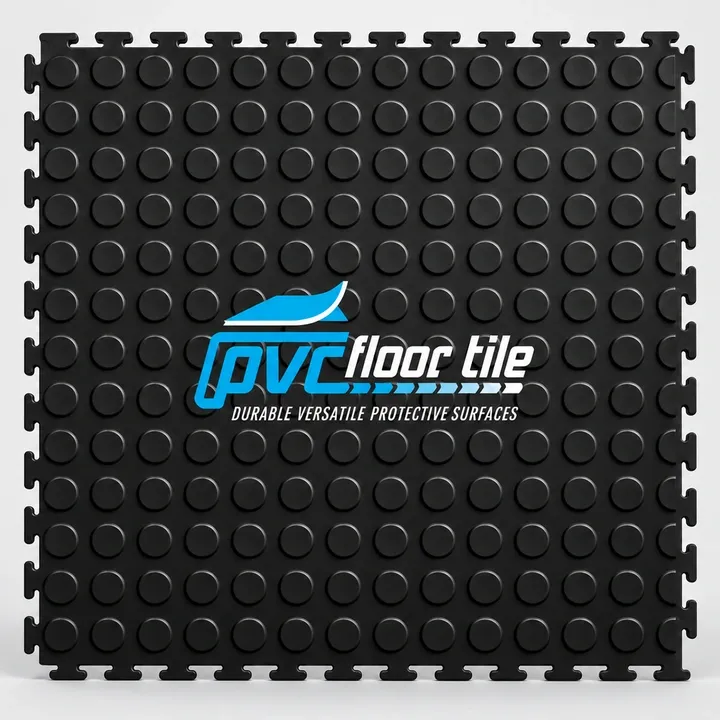
The Heavy-Duty Industrial Rubber Floor Mat 500 × 500 mm is a durable, practical flooring solution designed to protect concrete surfaces in busy commercial and industrial environments. Manufactured from recycled rubber, this black interlocking mat provides a textured walking surface for workplaces where everyday wear, regular foot traffic and easy maintenance are important.
Featuring a studded surface, 5 mm thickness and modular interlocking design, these industrial rubber floor mats help create a protective covering over suitable existing floors. Individual mats connect to form a continuous surface, making them convenient for businesses that need flexible floor protection without extensive installation work.
Whether you're upgrading a workshop, protecting a maintenance area or improving an internal commercial walkway, this recycled rubber mat provides a practical solution for selected working environments.
For other sizes, designs and applications, explore our Rubber Mats collection to compare additional rubber matting options.
Heavy-Duty Industrial Rubber Floor Mat Specifications
| Specification | Product Details |
|---|---|
| Product name | Heavy-Duty Industrial Rubber Floor Mat |
| Material | Recycled rubber |
| Colour Material | Virgin Rubber |
| Primary Colour | Black |
| Available Colours | Various |
| Surface pattern | Textured studded finish |
| Installation | Interlocking modular system |
| Water resistance | Water-resistant rubber material |
| Suitable subfloors | Concrete, level surfaces |
| Primary applications | Workstations, |
| Warranty | 1-year limited manufacturing warranty |
Why Choose Heavy-Duty Industrial Rubber Floor Mats?
Industrial floors experience continuous activity from employees, equipment and everyday operations. Over time, exposed concrete can develop visible scuff marks, accumulated dirt and surface wear, particularly around frequently used working areas.
A heavy-duty recycled rubber mat creates an additional layer between everyday workplace activity and the underlying floor. The studded finish provides a textured surface for pedestrian movement, while the interlocking design makes installation and individual replacement more convenient.
Key Benefits of Industrial Rubber Floor Mats
- Durable recycled rubber construction: Provides a resilient surface for general workplace floor protection.
- Textured studded finish: Supports improved underfoot traction during normal pedestrian movement.
- Interlocking connections: Allow individual mats to join together to create a modular floor covering.
- Concrete floor protection: Helps reduce direct surface wear from routine workplace activity.
- Water-resistant material: Makes everyday cleaning and occasional moisture exposure easier to manage.
- Replaceable sections: Individual worn or damaged mats can be removed without replacing the entire floor covering.
- Professional black finish: Creates a consistent appearance across workstations and commercial areas.
- Low-profile 5 mm thickness: Provides a practical protective surface where a relatively thin floor covering is preferred.
These advantages make the mats particularly suitable for businesses that value straightforward installation, maintainable surfaces and flexible workplace floor protection.
Industrial Rubber Mats for Concrete Floor Protection
Concrete floors are commonly used in workshops, warehouses, service facilities and industrial buildings because they provide a strong structural surface. However, concrete can still experience scuffing, surface staining and visible wear from repeated daily activity.
Installing interlocking rubber mats over suitable concrete helps create a protective covering that reduces direct contact between everyday movement and the original floor.
The rubber surface can also make selected working areas easier to maintain, especially where dust, dirt and regular foot traffic contribute to the deterioration of exposed surfaces.
How Rubber Mats Help Protect Concrete Floors
- Surface protection: Helps minimise direct scuffing and abrasion in selected working areas.
- Dust management: Provides a cleanable covering over suitable existing concrete surfaces.
- Practical maintenance: Allows regular sweeping and mopping using appropriate cleaning products.
- Flexible coverage: Makes it possible to protect individual workstations, walkways or larger floor sections.
- Convenient repairs: Damaged mats can be replaced individually when necessary.
- Improved presentation: Creates a more uniform appearance across older commercial floors.
Rubber floor mats are intended to protect suitable underlying surfaces rather than repair structural problems. Significant cracks, unstable concrete or unresolved moisture issues should be addressed before installation.
Where Can Heavy-Duty Industrial Rubber Floor Mats Be Used?
These industrial rubber floor mats are designed for selected indoor and covered commercial applications where surface protection and easy maintenance are important.
Their compact size and interlocking construction allow businesses to cover specific working zones without necessarily replacing an entire floor.
Workshops and Maintenance Areas
Workshop floors are frequently exposed to foot traffic, tools, dirt and equipment-related activity. Installing rubber mats in suitable work areas helps create a protective surface over existing concrete.
Common applications include:
- General workshop walkways.
- Maintenance benches and surrounding floor areas.
- Staff access routes.
- Covered equipment service sections.
- Tool preparation and storage areas.
For applications involving heavy machinery, vehicle turning or concentrated equipment loads, the mat's suitability should be confirmed before installation.
Warehouses and Storage Facilities
Warehouses require practical floor surfaces that can accommodate staff movement and routine cleaning. Interlocking rubber mats can be useful in selected pedestrian areas, packing sections and general storage environments.
They may be installed around:
- Packing and sorting stations.
- Pedestrian walkways.
- Storage preparation areas.
- Dispatch workstations.
- General stock-handling sections.
These mats should not automatically be used in forklift operating zones or under heavily loaded storage racking without appropriate load-performance confirmation.
Commercial Workstations
Many commercial facilities contain work areas that receive concentrated daily use. Rubber mats can help define these spaces while providing an additional layer of floor protection.
They are suitable for consideration around assembly stations, service counters, maintenance points and other general-purpose work areas.
Although rubber offers some natural resilience, this 5 mm product should not be considered a specialist anti-fatigue mat unless the relevant ergonomic performance has been established.
Garages and Covered Service Areas
Covered garages and service spaces can benefit from practical floor protection where dirt, moisture and repeated pedestrian movement are common.
The textured rubber surface provides a convenient covering for selected work zones, while the black finish helps maintain a consistent appearance.
Before installation in vehicle-related areas, confirm compatibility with tyre loading, turning movement and exposure to automotive fluids.
Understanding the 5 mm Rubber Mat Thickness
Thickness is an important factor when selecting industrial floor protection.
At 5 mm, this rubber mat provides a relatively low-profile floor covering suited to selected general-purpose commercial applications. It is designed to create a protective surface without substantially increasing the finished floor height.
Its compact construction makes it convenient for areas where businesses need a modular covering that can be fitted, inspected and replaced in sections.
What Should You Consider When Choosing Rubber Mat Thickness?
Important factors include:
- Pedestrian traffic: Consider how frequently employees or visitors use the area.
- Equipment weight: Check the pressure applied by machinery, shelving or workstations.
- Rolling movement: Determine whether trolleys, castors or vehicles will move across the surface.
- Impact exposure: Consider whether tools or other objects are regularly dropped.
- Subfloor condition: Ensure the existing surface can adequately support the installation.
- Environmental conditions: Assess moisture, chemicals and cleaning requirements.
A thicker specialist mat may be more suitable for applications involving substantial impact, continuous vehicle movement or concentrated industrial loads.
Textured Studded Surface for Practical Workplace Grip
The raised studded pattern provides a textured surface intended to offer additional grip compared with a completely smooth finish.
This construction is useful for general working environments where employees move frequently and need a practical walking surface.
However, underfoot traction depends on several conditions, including footwear, dust, moisture and the presence of oils or other contaminants.
Benefits of a Studded Rubber Surface
- Provides a textured contact surface for everyday pedestrian movement.
- Helps create a consistent walking area across connected mats.
- Supports regular cleaning when maintained correctly.
- Offers a practical finish for selected commercial working environments.
- Combines surface texture with the flexibility of recycled rubber construction.
The mats should not be assumed suitable for continuously wet, oily or chemically contaminated conditions without confirming their intended performance characteristics.
Where a project requires a particular slip-resistance classification, supporting test documentation should be obtained.
Recycled Rubber Construction and Material Benefits
Recycled rubber allows existing rubber material to be used in a new, functional floor covering.
For businesses seeking practical industrial products, this material provides a combination of resilience, usability and convenient maintenance.
The performance of recycled rubber depends on the manufacturing process, material formulation and intended working conditions. Product selection should therefore be based on actual operational requirements rather than material type alone.
Why Recycled Rubber Is Useful for Industrial Floor Protection
- Material reuse: Supports the continued practical use of recycled rubber.
- Resilient construction: Provides a flexible covering for normal workplace activity.
- Modular maintenance: Allows individual sections to be replaced as needed.
- Practical cleaning: Supports routine sweeping and cleaning with compatible detergents.
- Versatile applications: Can be considered for different indoor and covered work environments.
The combination of recycled material and interlocking construction makes these mats a practical option for selected commercial floor protection projects.
How to Install 500 × 500 mm Interlocking Rubber Floor Mats
Correct installation helps ensure that industrial rubber floor mats remain properly positioned and provide a neat finished appearance.
The mats are designed to connect along their edges, allowing neighbouring sections to form a continuous modular surface.
Before installation, the existing floor should be inspected to identify cracks, uneven areas, loose materials or contaminants that could interfere with proper fitting.
Step-by-Step Installation Guide
- Prepare the floor: Remove dust, dirt, loose stones, oil and other debris.
- Check the surface: Ensure the subfloor is firm, dry, structurally sound and sufficiently level.
- Plan the layout: Identify the starting point and determine how the mats will fit around walls and equipment.
- Position the first mat: Place it against a suitable straight reference edge.
- Connect adjoining mats: Align and engage the interlocking edges according to their fitting design.
- Continue the installation: Keep joints aligned and regularly check that the surface remains flat.
- Finish the edges: Carefully fit or trim perimeter sections where appropriate.
- Inspect the completed floor: Check for lifted joints, movement and potential trip hazards before use.
Do Industrial Rubber Floor Mats Require Adhesive?
The interlocking design may allow the mats to be loose-laid in suitable indoor areas with limited movement.
However, additional fixing may be necessary in environments exposed to regular rolling loads, equipment turning or other forces that could cause the mats to shift.
The appropriate installation method should be selected according to the floor condition and intended use.
Cleaning and Maintaining Industrial Rubber Floor Mats
Regular cleaning helps preserve the appearance and practical performance of recycled rubber floor mats.
Industrial and commercial environments can accumulate dust, grit and debris quickly. If left on the surface, these contaminants may affect traction and contribute to premature wear.
A consistent maintenance routine helps keep the installation presentable and makes it easier to identify sections requiring attention.
Recommended Cleaning and Maintenance Tips
- Sweep or vacuum regularly to remove loose dirt and debris.
- Wash the surface using water and a mild, rubber-compatible detergent.
- Clean spills promptly to reduce contamination and slipping risks.
- Avoid harsh solvents and abrasive cleaning products unless specifically approved.
- Do not drag sharp metal equipment across the rubber surface.
- Inspect connecting edges and high-traffic sections regularly.
- Replace excessively worn or damaged individual mats.
- Avoid allowing standing water to remain beneath the installation.
The water-resistant rubber material supports everyday cleaning, but the interlocking system should not be treated as a waterproof membrane.
Where moisture can enter beneath the mats, appropriate subfloor drying and maintenance are important.
Interlocking Rubber Mats Compared With Permanent Floor Coverings
Businesses choosing floor protection often need to consider installation disruption, maintenance requirements and future flexibility.
Permanently installed floor coverings can be suitable where a fixed surface is required, but replacing damaged sections or changing layouts may involve more extensive work.
Modular interlocking rubber mats provide an alternative approach for selected applications.
Advantages of a Modular Rubber Mat System
- Flexible installation: Cover individual workstations or selected floor areas.
- Individual replacement: Remove worn mats without automatically replacing the whole floor.
- Adaptable layouts: Adjust the installation when operational requirements change.
- Accessible maintenance: Inspect or remove sections when necessary.
- Reduced installation complexity: Avoid extensive floor renovation in suitable applications.
- Consistent surface appearance: Create a connected covering using matching mats.
The most suitable flooring method depends on the environment, required performance and expected loading conditions.
What to Consider Before Buying Industrial Rubber Floor Mats
Selecting the correct rubber mat is important for achieving suitable floor protection and avoiding unnecessary replacement costs.
A mat that works well in a pedestrian walkway may not be appropriate beneath concentrated machinery loads or in an active vehicle movement area.
Important Buying Considerations
- Application: Identify whether the mats will cover walkways, workstations or equipment areas.
- Floor condition: Check that the existing surface is suitable for installation.
- Expected traffic: Consider pedestrian movement and any rolling equipment.
- Load requirements: Confirm compatibility with concentrated or moving loads.
- Moisture exposure: Assess whether the area is dry, occasionally damp or continuously wet.
- Chemical exposure: Check compatibility where oils, fuels or cleaning chemicals are present.
- Installation needs: Determine whether loose laying or additional fixing is appropriate.
- Maintenance: Consider access for cleaning, inspection and replacement.
For demanding industrial applications, obtain the relevant product performance information before proceeding.
Frequently Asked Questions About Industrial Rubber Floor Mats
What are heavy-duty industrial rubber floor mats used for?
- Heavy-duty industrial rubber floor mats are used to protect suitable existing floors in workshops, warehouses, maintenance areas and commercial facilities. They provide a textured modular covering for selected working environments where everyday wear and ease of maintenance are important. The correct product should always be chosen according to expected traffic and equipment loads.
Are these industrial floor mats manufactured from recycled rubber?
- Yes. This product is manufactured from recycled rubber and features a textured studded surface. Recycled rubber provides a resilient material for general-purpose floor protection. Its suitability for specific industrial applications depends on the product's performance characteristics and working conditions.
Can industrial rubber mats be installed directly over concrete?
- Yes, the mats can be installed over suitable concrete surfaces that are clean, dry, firm and sufficiently level. Loose debris, oil and other contaminants should be removed before fitting. Significant structural damage or moisture problems must be addressed before installation.
Are industrial rubber floor mats waterproof?
- The rubber material is water-resistant and can tolerate occasional moisture and routine cleaning. However, water may pass through the joints between interconnected mats and accumulate underneath. These mats should not be treated as a waterproof membrane or drainage system.
How do you clean industrial rubber floor mats?
- Industrial rubber floor mats can be cleaned by sweeping, vacuuming or using water with a mild, rubber-compatible detergent. Spills should be removed promptly, and harsh solvents should be avoided unless approved for the material. Regular inspections help identify damaged sections or loose joints.
Can individual damaged rubber mats be replaced?
- Yes. The modular interlocking design allows individual mats to be removed and replaced when necessary, provided matching replacement mats are available. This can simplify maintenance in areas where some sections experience greater wear than others. Surrounding joints should be checked after replacement.
Where can I buy heavy-duty industrial rubber floor mats in South Africa?
Heavy-Duty Industrial Rubber Floor Mats are available for enquiry through our product range for commercial and industrial floor protection. The 500 × 500 × 5 mm black recycled rubber mat has a stated minimum order quantity of 50 mats. Contact our sales team to confirm current availability, product suitability and delivery arrangements.
Additional information
| Weight | 5 kg |
|---|---|
| Dimensions | 0,5 × 0,5 × 0,005 mm |
| Dimension | 500 × 500 × 5 mm, 500 × 500 × 6 mm |
| Colour | Beige, Black, Blue, Brown, Green, Grey, Orange, Red, White, Yellow |
| Applications | Gym Flooring, Warehouse Flooring, Workshop Flooring |
| Benefits | Anti-Slip Surface, Easy Installation, Shock Absorption |
| Material Types | Rubber |
| Durability | High Impact Resistant, Industrial Strength, Light Duty |
| Wear Ratings | Best |
| Working Environment | High-Traffic Zones, Indoor Use, Wet Areas |

Reviews
There are no reviews yet.