
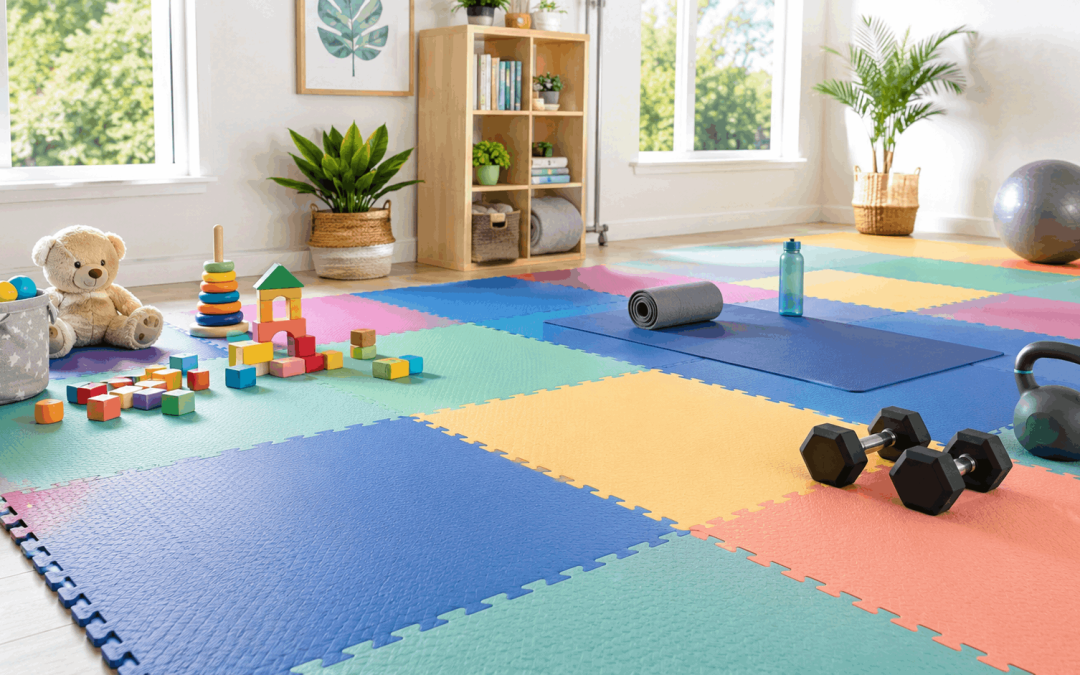
Foam mats are one of the most practical flooring options for areas where comfort, safety and easy installation matter. They are commonly used in homes, children’s playrooms, creches, yoga studios, light fitness areas, martial arts spaces and temporary activity zones. Unlike hard flooring surfaces, EVA foam mats help create a softer and more forgiving floor, making them useful where people sit, stretch, exercise, play or move barefoot.
This guide explains what foam mats are, where they are commonly used, what benefits they offer, and how to choose the right type for your space. It is written as an educational guide to help homeowners, parents, gym owners, school managers and activity centre operators understand when foam flooring is a good choice.
What Are Foam Mats?
Foam mats are soft flooring tiles or mats made from lightweight cushioning material. One of the most common materials used for these mats is EVA foam, which stands for ethylene-vinyl acetate. EVA foam is popular because it is lightweight, flexible, comfortable underfoot and easy to handle.
Most foam floor mats are supplied as interlocking tiles. This means the edges connect together like puzzle pieces, allowing you to cover a small area or a larger floor space without glue or complicated installation tools.
Why Foam Mats Are Popular
Foam mats are popular because they solve a simple problem: hard floors are uncomfortable and sometimes unsafe for certain activities. Concrete, tiles, laminate and wooden floors may be easy to clean, but they can feel hard on the knees, elbows, hands and feet.
Foam mats help create a more comfortable surface for:
- Children playing on the floor
- Adults stretching or exercising
- Yoga and light fitness activities
- Indoor play areas
- Temporary event flooring
- Home workout spaces
- Creches and early learning centres
- Martial arts and movement training areas
Main Benefits of Foam Mats
Soft and Comfortable Underfoot
One of the biggest advantages of foam mats is the soft cushioning they provide. This makes them helpful in areas where people spend time sitting, kneeling, crawling, stretching or exercising on the floor.
Safer Surface for Children’s Areas
Foam mats are often used in children’s spaces because young children spend a lot of time on the floor. A soft foam surface can help reduce the harsh impact of a hard floor.
Easy Interlocking Installation
Most EVA foam mats are designed as interlocking puzzle tiles. They can be installed without adhesive, nails or specialist equipment, making them ideal for DIY flooring.
Lightweight and Easy to Move
Foam mats are much lighter than rubber flooring, PVC tiles or traditional floor tiles. This makes them easy to carry, install, remove and store when needed.
Easy to Clean and Maintain
Foam mats are generally easy to clean with mild soap and water. This makes them practical for homes, creches, yoga rooms and light fitness areas.
Common Uses of Foam Mats
Foam Mats for Playrooms
Playrooms are one of the best areas to use foam mats. Children often sit and play directly on the floor, so a soft surface makes the space more comfortable. Foam mats can also help define a specific play zone inside a bedroom, lounge or classroom.
Foam Mats for Creches and Day-Care Centres
Creches and early learning centres need flooring that supports movement, sitting, play and learning activities. Foam mats are suitable for indoor activity zones where children play, crawl, stretch, nap or participate in supervised group activities.
Foam Mats for Home Gyms
Foam mats can work well in home gyms where the activities are light to moderate. They are useful for stretching, yoga, pilates, bodyweight exercises and floor workouts.
Foam Mats for Yoga and Stretching
Yoga and stretching require a floor surface that is comfortable, stable and gentle on the body. Foam mats can help support knees, wrists, elbows, hips and the spine during floor-based movements.
Foam Mats for Martial Arts and MMA Training
Foam mats are commonly used in martial arts and MMA training spaces because they provide cushioning for movement drills, warm-ups and controlled exercises.
Foam Mats for Fitness Studios
Fitness studios often need flexible flooring that can support different activities. Foam mats can be used in areas for warm-ups, stretching, low-impact fitness, children’s fitness and bodyweight training.
Foam Mats for Trade Shows and Events
Foam mats are also useful for temporary flooring at trade shows, exhibitions and events. Standing for long periods on hard floors can become uncomfortable, and foam mats can help create a more comfortable surface for staff and visitors.
Foam Mats Compared With Rubber Mats
Foam mats and rubber mats are both useful, but they are not the same. Choosing between them depends on the application.
Foam mats are better for:
- Children’s play areas
- Yoga and stretching
- Light home workouts
- Temporary flooring
- Indoor comfort areas
- Colourful activity spaces
Rubber mats are better for:
- Heavy gym use
- Weight training
- Workshops
- High-traffic commercial areas
- Anti-fatigue workstations
- Demanding flooring environments
Foam Mats Compared With PVC Flooring Tiles
PVC interlocking tiles are often used for garages, workshops, commercial spaces and areas where a tougher floor is needed. Foam mats are softer and more comfortable, but they are not as strong for heavy loads, vehicles or industrial use.
Foam mats are ideal when comfort and cushioning are the main goal. PVC tiles are better when durability, traffic resistance and long-term floor protection are more important.
How to Choose the Right Foam Mats
- Area of use: Think about whether the mats will be used in a home, school, gym, studio or event space.
- Type of activity: Light play, stretching and yoga may need a different mat from martial arts or fitness training.
- Thickness: Thicker foam usually provides more cushioning, but it may not always be necessary for every space.
- Surface grip: Choose mats with a practical surface texture to help reduce slipping during movement.
- Cleaning needs: For children’s spaces and gyms, choose mats that are easy to wipe and maintain.
Are Foam Mats Waterproof?
Foam mats can usually handle light spills and basic cleaning, but they should not be treated like full outdoor drainage flooring. They are best used indoors or in dry, controlled environments.
If water gets between the joints or underneath the mats, it should be dried properly. Leaving moisture trapped under mats can cause hygiene problems or unpleasant smells over time.
Are Foam Mats Good for Babies and Toddlers?
Foam mats for baby and toddler play areas are commonly used because they create a softer surface for crawling, sitting and supervised play.
However, parents and caregivers should still supervise children. Foam mats are a comfort and safety support, not a replacement for proper supervision or safe room setup.
Can Foam Mats Be Used Outside?
Foam mats are mainly recommended for indoor use. Outdoor conditions such as direct sunlight, heavy rain, dust, stones and rough surfaces can reduce their lifespan.
They may be used temporarily outdoors for camping, events or short-term activities, but they should be stored indoors after use and kept dry.
Maintenance Tips for Foam Mats
To keep foam mats looking good and lasting longer, clean them regularly with a damp cloth or soft mop, use mild soap instead of harsh chemicals, avoid dragging sharp objects over the mats and allow the surface to dry properly after cleaning.
Good maintenance is especially important in creches, gyms and shared spaces where mats are used daily.
When Foam Mats May Not Be the Best Option
Foam mats are useful, but they are not suitable for every flooring need. They may not be the best choice for garages with vehicle traffic, heavy industrial workshops, wet outdoor spaces, heavy weightlifting zones, sharp machinery areas or high-heat environments.
For these areas, rubber flooring, PVC interlocking tiles or heavy-duty industrial flooring may be more appropriate.
Why Foam Mats Are a Practical Flooring Choice
Foam mats remain popular because they are simple, affordable and useful in many everyday environments. They are easy to install, comfortable to walk on and suitable for a wide range of indoor activities.
They are especially valuable where the floor needs to be safer, softer and more user-friendly. Whether used in a home playroom, yoga studio, creche or light fitness space, EVA foam mats can improve comfort and help create a more practical activity area.
Need Help Choosing the Right Foam Mats?
Need help choosing the right foam mats for your playroom, creche, yoga area, home gym or activity space? Contact PVC Floor Tile for friendly advice, product guidance and SA-wide delivery support.

I am looking fir pink and beige eva foam mats for my daughters room