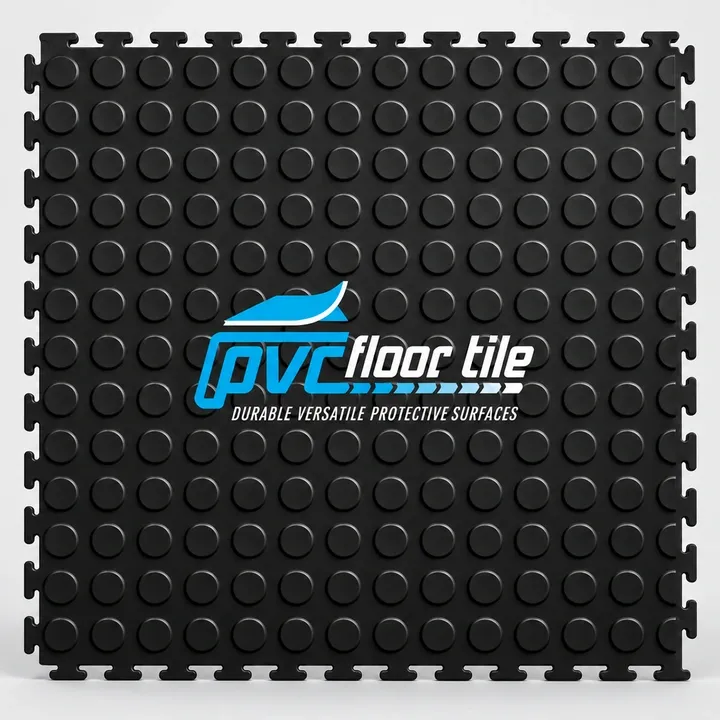
Black Grip Support Area Tiles – 500×500×5mm
Textured recycled PVC tiles designed for workshop work zones, repair areas, tool stations and high-traffic technical spaces.

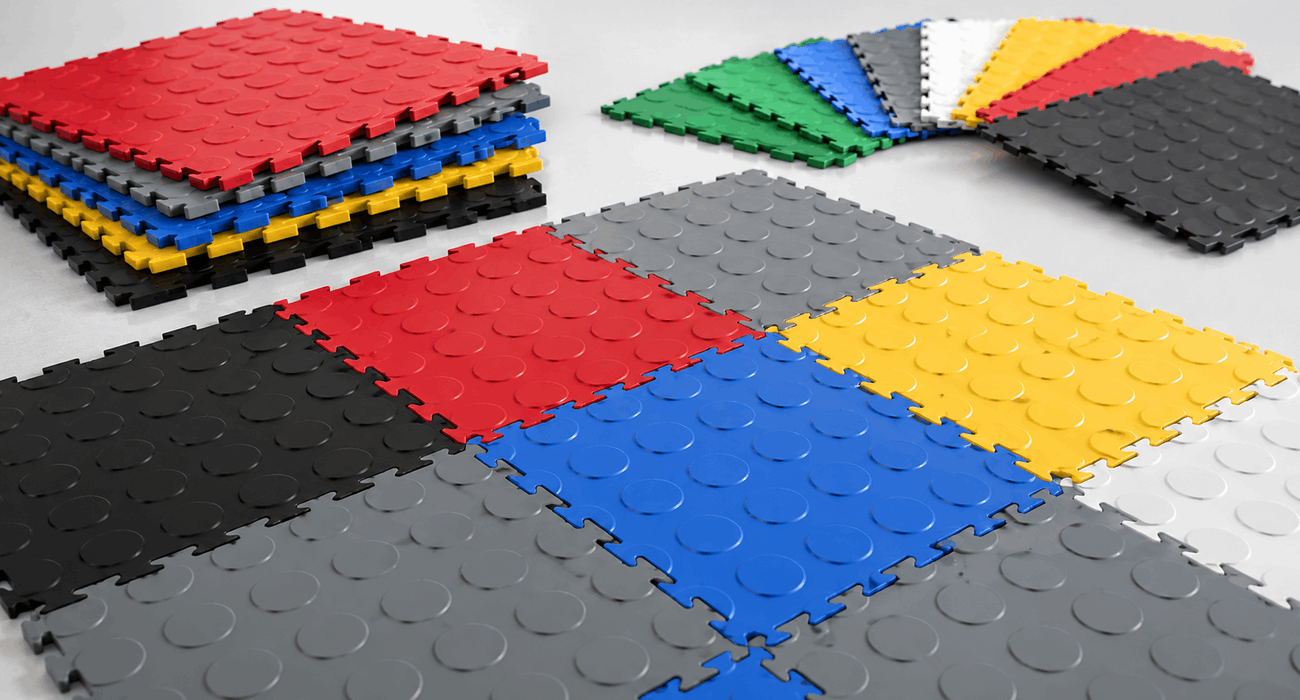
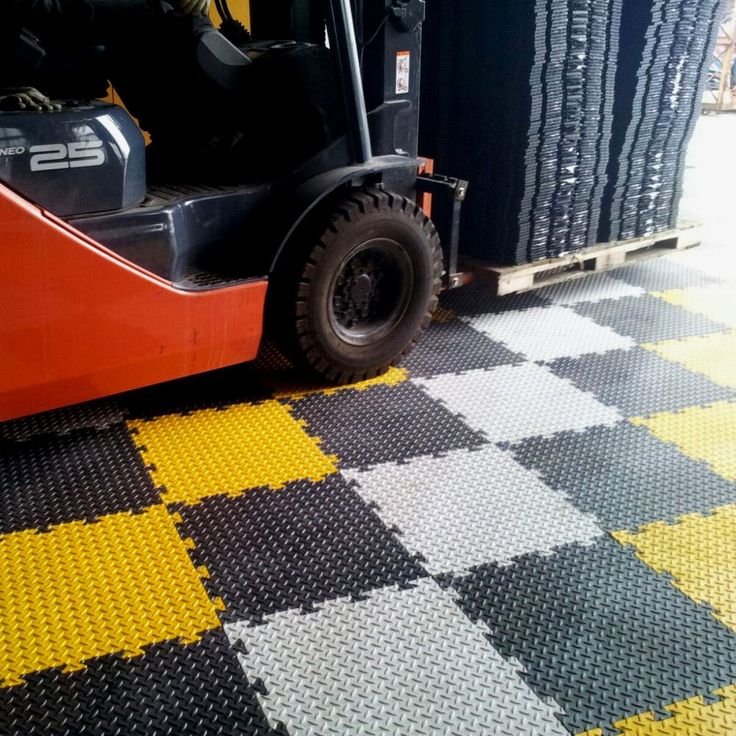
Workshop flooring is built for demanding work areas where tools, machinery, equipment, oil, dust and daily movement place constant pressure on the floor. Our durable workshop flooring solutions help protect concrete surfaces, improve grip underfoot and create a cleaner, safer and more professional workspace for mechanical workshops, service bays, fabrication areas, maintenance rooms and home workshops across South Africa. Request Quote Click to Call
Textured recycled PVC tiles designed for workshop work zones, repair areas, tool stations and high-traffic technical spaces.
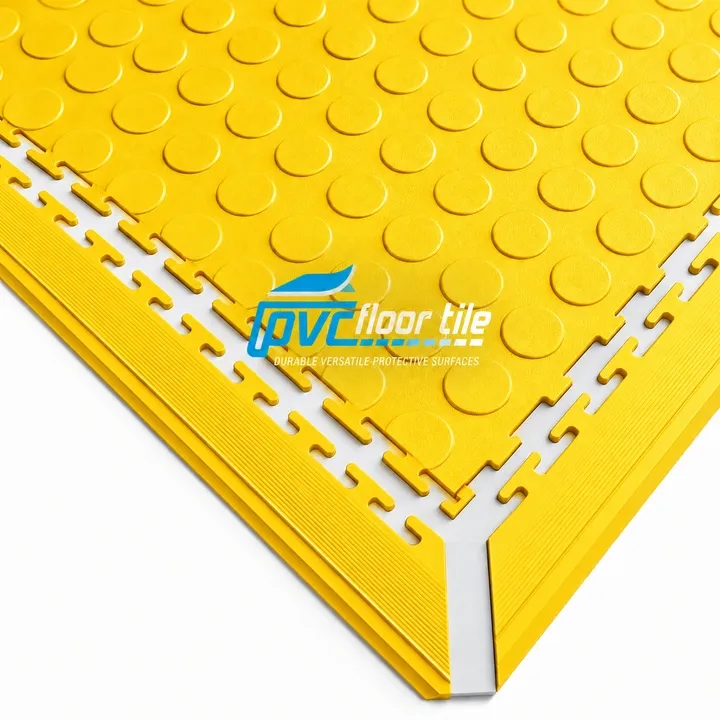
Bright yellow ramp edging for creating a cleaner transition around exposed workshop, garage and modular tile edges.
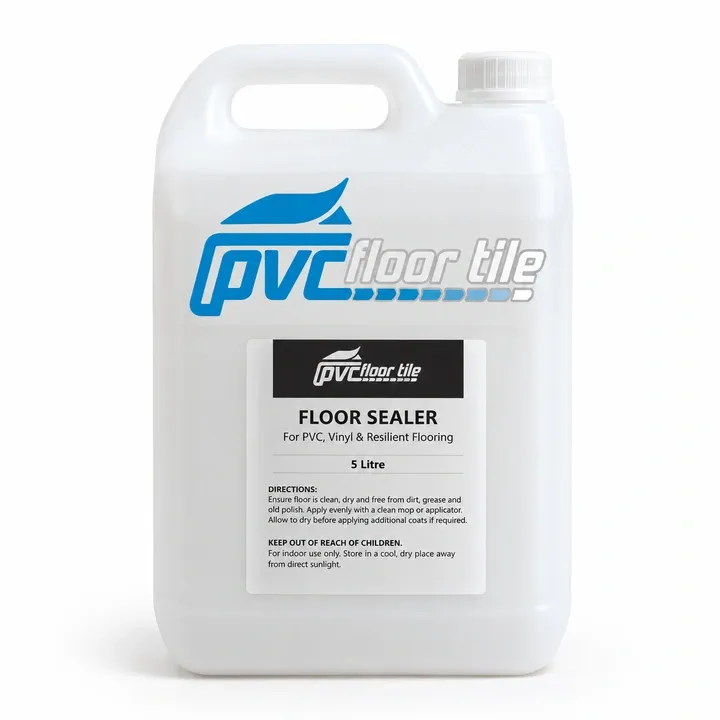
Non-slip floor polish for maintaining sealed vinyl, novilon and suitable workshop or commercial floor surfaces.
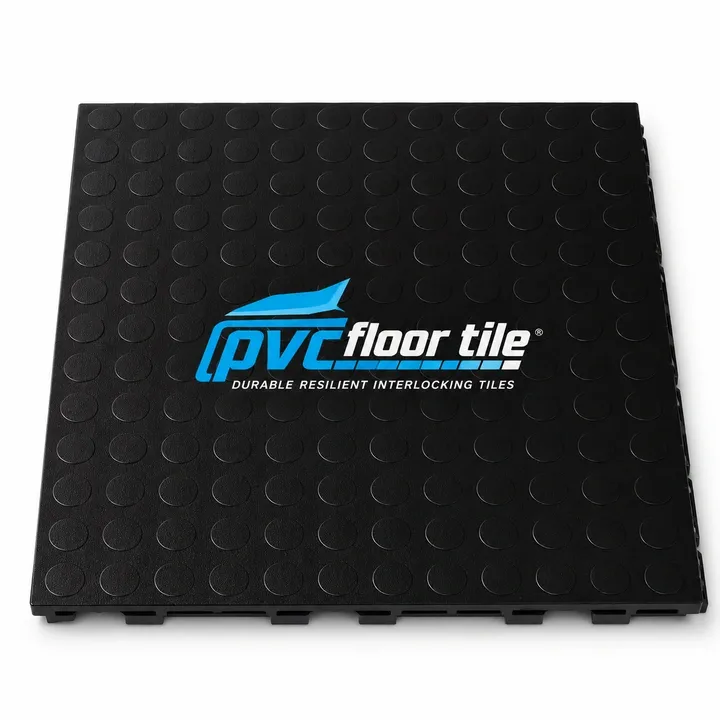
Recycled flexible PVC tiles with a concealed locking system, textured grip surface and a cleaner finished appearance.
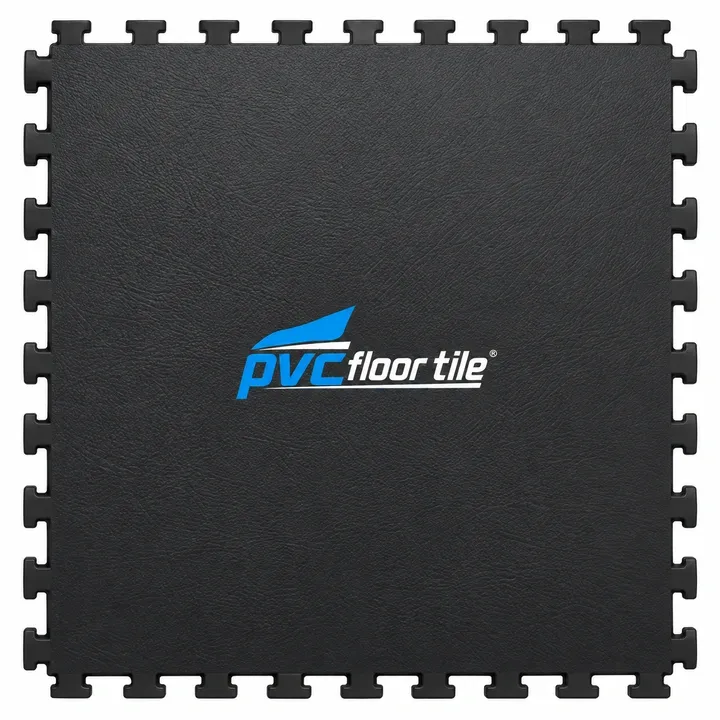
Smooth leather-style recycled PVC tile for workshops, showrooms, offices, garages and light commercial working areas.
Pay online through PayFast when purchasing selected workshop flooring products.
Delivery is available across South Africa, subject to order size, weight and destination.
Buy workshop flooring directly from PVC Floor Tile with competitive pricing for small areas and larger projects.
Send your workshop size, floor condition and application by WhatsApp for product guidance and a quotation.
The best flooring for a workshop depends on the type of work being carried out, the tools and equipment used, the expected foot and rolling traffic, concentrated loads, cleaning requirements and the condition of the existing concrete floor.
For many home and commercial workshops, suitable modular flooring can provide a practical surface around workbenches, tool areas, repair stations, maintenance zones and staff walkways. The selected product should always match the actual workshop activity rather than being chosen on appearance alone.
Choosing workshop flooring? Consider workbenches, tools, rolling cabinets, trolleys, machinery, oils, chemicals, heat and expected traffic before selecting a flooring product.
Workshop flooring creates a practical surface for spaces where tools, benches, equipment, repairs, maintenance and regular movement form part of the daily working environment.
Suitable flooring can help protect prepared concrete, improve the appearance of the workspace and make routine sweeping and cleaning easier. The selected product must still match the actual work, equipment, loads, chemicals and traffic within the area.
Workshop flooring can be installed across a full room or used in selected zones around benches, repair stations, tool areas and staff walkways.
Many workshops are built over concrete that may become dusty, stained, marked or difficult to maintain. Covering suitable concrete with a modular surface can create a neater and more manageable working area.
DIY spaces, hobby rooms, tool areas, sheds and garage workbench zones.
Selected service and maintenance zones used for regular repair activity.
Workspaces containing tool cabinets, storage units and service benches.
Technical and utility spaces used by maintenance staff and service teams.
Work areas around assembly tables, preparation benches and quality-control points.
Customer-visible or back-of-house technical work areas requiring a cleaner finish.
| Flooring option | Best suited to | Main purpose | When to choose it |
|---|---|---|---|
| Workshop Flooring | Tool rooms, repair stations, maintenance areas and workbenches | Practical workshop floor coverage and protection | When tools, benches and hands-on work are the main activity |
| Garage Flooring | Vehicle parking, home garages and garage storage areas | Covers concrete in vehicle-focused spaces | When parking and vehicle use are more important than workshop activity |
| Factory Flooring | Manufacturing, production and larger industrial operations | Industrial flooring for production-focused spaces | When machinery, production and operational loads are the main requirements |
| Rubber Mats | Standing stations, bench areas and localised protection zones | Adds localised resilience and floor protection | When selected workstations need additional underfoot support |
| Warehouse Flooring | Stockrooms, packing zones, dispatch areas and storage routes | Flooring for storage and logistics environments | When stock handling and storage are the main activities |
Bare concrete may appear durable, but repeated activity can leave it dusty, stained, marked and difficult to clean. A suitable covering provides a working layer over prepared concrete and helps improve the overall organisation of the space.
Important: Not every workshop tile is suitable for vehicle lifts, heavy machinery, welding, grinding, hot metal, aggressive chemicals or concentrated machine loads. Confirm the exact application before ordering.
Workbenches, cabinets, parts boxes and equipment can mark or wear the supporting floor over time. Modular flooring can provide a separate surface over selected sections and help make these areas easier to maintain.
Typical locations include:
Repair areas often experience concentrated activity. Staff may stand in one position, move tools and parts, work around benches and clean the area repeatedly.
The flooring should lie securely, remain compatible with the expected traffic and avoid creating raised edges that interfere with equipment or pedestrian movement.
For areas where vehicles are parked or driven regularly, compare the dedicated garage flooring collection before choosing a workshop product.
Small engineering and fabrication workshops may include measuring, cutting, assembly and repeated movement around benches. Suitable modular flooring can improve selected dry working areas and protect prepared concrete beneath.
Welding, grinding, sparks, hot work, sharp metal swarf, heavy machines and aggressive chemicals require a separate assessment. A standard PVC or rubber tile should not automatically be assumed suitable.
| Consideration | Bare concrete | Workshop flooring |
|---|---|---|
| Appearance | May appear unfinished, stained or worn | Creates a cleaner and more organised finish |
| Maintenance | Rough or dusty sections may be difficult to clean | Suitable surfaces may simplify routine cleaning |
| Floor protection | Receives direct marks from tools, benches and movement | Adds a protective surface in selected high-use zones |
| Standing areas | Hard surface directly beneath workers | Rubber options may provide localised underfoot support |
| Zone planning | One visually open surface | Different colours may define workstations and walkways |
Determine whether the area is used for repairs, tools, assembly, maintenance, storage, vehicle servicing or technical work.
Consider benches, cabinets, machines, trolleys, equipment feet and stored materials that may place concentrated pressure on the floor.
Confirm whether the area is exposed to oils, water, chemicals, heat, sparks, sharp objects or frequent cleaning.
The base should be clean, firm and sufficiently level. Moisture, cracks, loose concrete and severe unevenness should be addressed first.
Where employees stand for long periods, selected rubber mats or appropriate anti-fatigue products may be added at individual stations.
Exposed modular edges may require compatible ramps or edging, particularly near entrances and trolley routes.
Clear the installation area and remove dust, grit, sharp objects, oil and loose materials. Check the base for uneven or damaged sections before placing the flooring.
Plan the layout around benches, shelves, cabinets, machines, doors and walkways. Begin from a straight reference line and avoid narrow cuts in busy entrances where possible.
Fixed equipment and heavy machines may need to remain directly supported by the concrete. Confirm this before installing tiles beneath machinery.
Larger commercial workshops may be completed in stages to reduce disruption.
The best workshop flooring depends on the work being carried out, expected traffic, tools, equipment, rolling loads, chemicals, moisture and the condition of the existing floor. Suitable modular flooring can be a practical option for workbenches, tool rooms, repair areas, maintenance spaces and selected workshop walkways.
It is used to cover and improve suitable floors in tool rooms, maintenance spaces, repair areas, assembly zones and technical workspaces.
Many modular products can be installed over clean, firm and sufficiently level concrete. Major moisture, cracking and unevenness should be addressed first.
Yes. Suitable products may be used in DIY spaces, hobby rooms, sheds, tool areas and garage workbench zones.
Selected products may suit light service areas, but vehicle weight, tyre movement, jacks, stands and equipment loads must be assessed.
This depends on machine weight, foot size and point load. Heavy equipment may need direct support from the concrete.
Covering properly prepared concrete may reduce direct contact with dusty sections and make selected work areas easier to maintain.
Standard PVC or rubber flooring should not automatically be used near sparks, hot metal or grinding debris. Confirm the exact material requirements first.
Multiply the length by the width to calculate the area in square metres. Add an allowance for cuts, obstacles, edges and future replacements.
PVC Floor Tile supplies workshop flooring for home workshops, tool rooms, repair stations, maintenance departments, service spaces and selected commercial work areas across South Africa.
Send us your floor dimensions, site photographs, equipment details and information about the work carried out in the area so suitable flooring options and quantities can be compared.
Send us your measurements, equipment information, application and project location for product guidance and a factory-direct quote.
