
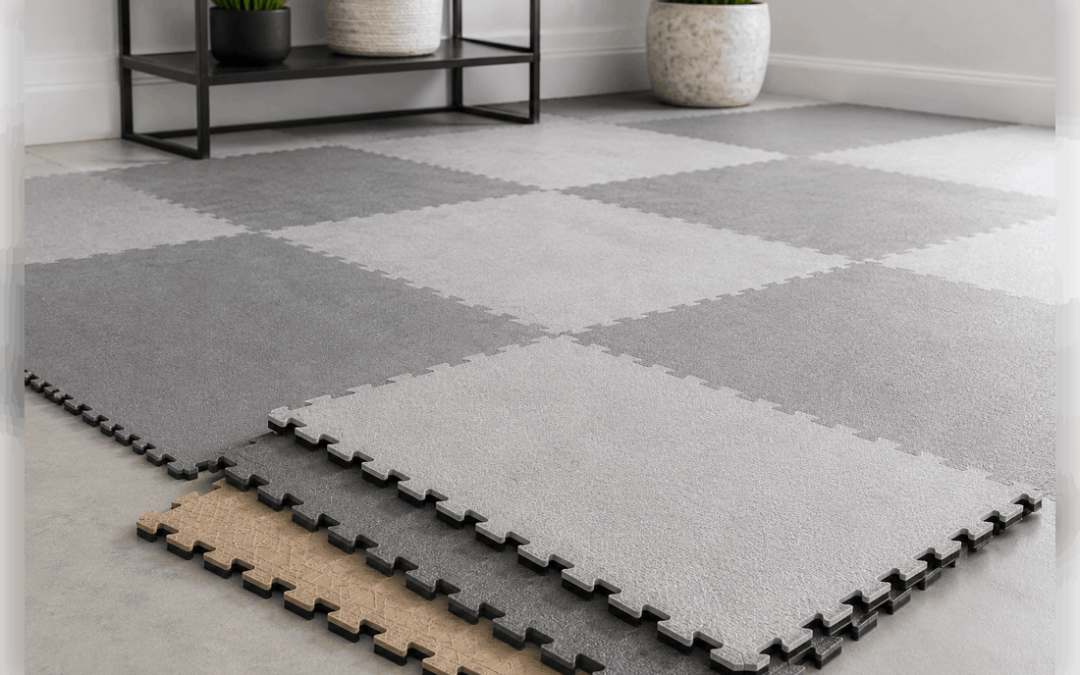
Choosing the right PVC floor tile is easier when you compare products according to the space, traffic, loads, surface finish and installation requirements. This PVC Tile Buying Guide takes you through the practical decisions that matter before ordering, helping you narrow down the right thickness, tile design and flooring format for your project. If you are still exploring the wider range of available flooring solutions, visit PVC Floor Tile to see the main product categories and applications.
Two PVC tiles can look similar while being intended for very different environments. A floor for a home utility area does not necessarily face the same demands as a busy workshop, vehicle area or commercial premises. The best buying decision therefore starts with the application rather than the colour or appearance of the tile.
This guide focuses specifically on choosing a suitable PVC tile. It will help you assess the installation area, expected traffic, thickness, surface pattern, modular connection, subfloor, quantity and finishing requirements before placing an order.
Start With the Space, Then Choose the Tile
Application
Where will the tiles be installed?
Traffic
What will move across the floor?
Specification
What thickness and surface suit the space?
Quantity
How much flooring and finishing will you need?
Choose PVC Tiles According to the Application
The first question should always be: Where will the floor be installed? The answer affects almost every decision that follows. Different spaces expose flooring to different types of traffic, loads, dirt and maintenance routines.
A home garage may need to accommodate parked vehicles and regular tyre movement. A workshop may experience tools, equipment and concentrated working activity. A commercial area may place greater emphasis on regular foot traffic, appearance and routine cleaning.
A useful PVC Tile Buying Guide should therefore begin with the real conditions of the installation area rather than recommending one tile for every project.
Vehicle Areas
Consider vehicle movement, parked loads, cleaning requirements and the condition of the existing floor.
Working Spaces
Consider tools, equipment, foot traffic and the type of daily activity taking place on the surface.
Business Areas
Consider customer traffic, appearance, maintenance and the practical demands of the business.
General-Purpose Areas
Consider storage, movement, cleaning and whether the floor needs a simple modular finish.
Assess Traffic, Loads and Movement
Once you know where the tiles will be installed, consider what will actually move across the floor. Traffic is not limited to people. Depending on the application, a floor may also experience vehicles, trolleys, storage equipment or other loads.
A low-traffic area and a busy working environment should not automatically use the same flooring specification. Choosing only according to appearance or price can result in a tile that does not suit the demands of the space.
Occasional Use
Selected residential, storage or low-activity areas.
Everyday Traffic
Spaces exposed to consistent movement and routine use.
Busy Environments
Areas where the correct product specification becomes especially important.
How to Choose the Correct PVC Tile Thickness
Thickness is one of the specifications buyers commonly compare, but it should not be considered in isolation. The construction and intended application of the tile are also important.
In general, the tile must be suitable for the expected conditions of the floor. Areas exposed to regular movement or more demanding activity may require a different specification from a light-use space.
When using this PVC Tile Buying Guide, think about thickness as part of the complete product specification rather than treating one measurement as a guarantee of performance.
Ask these questions before choosing a thickness
- Will the floor mainly receive foot traffic?
- Will vehicles regularly move across the surface?
- Will equipment or storage units be placed in the area?
- How frequently will the floor be used?
- What application is the specific tile designed for?
If you are uncertain between different tile specifications, compare the actual product information and discuss the application with the supplier before ordering.
Compare Surface Patterns and Finishes
Surface design affects the appearance of a finished floor and can also influence everyday cleaning and use. PVC floor tiles are available in different textures and patterns, so the right choice depends on the environment and the look you want to create.
Leather-Style Finish
A leather-style texture can create a clean and understated appearance. It may suit buyers looking for a practical floor with a less pronounced surface pattern.
Studded or Raised Pattern
A more visible surface pattern can create a distinctive industrial or practical appearance. Consider how the texture fits the intended use and cleaning routine.
Textured Surface
Textured finishes can provide a different visual character while helping define the overall feel of the installed floor.
Avoid selecting a surface pattern from a photograph alone where possible. Consider how the floor will look across the complete installation and how the texture fits the everyday requirements of the space.
Check the Tile Size and Connection System
Modular PVC tiles are designed to create a larger floor from individual pieces. Before ordering, check the dimensions of the tile and understand how the pieces connect.
The tile size affects quantity calculations, layout planning and the number of pieces required for the installation. The connection system affects how the tiles are joined and how the finished floor is assembled.
Know the Tile Dimensions
Confirm the length and width of each tile before calculating the quantity required.
Understand the Connection
Check how the modular pieces connect and whether the product suits the planned installation.
Plan Before Installing
Consider walls, doorways, columns and other fixed features when planning the floor.
Inspect the Existing Subfloor
Even a suitable tile needs an appropriate surface beneath it. Before buying, inspect the existing floor and identify conditions that may need attention.
The requirements depend on the flooring product and the installation area, but the existing surface should be assessed for major damage, uneven areas, contamination or other problems that could affect the finished installation.
Check the general condition of the existing floor.
Identify major cracks, damage or uneven sections.
Consider dirt, oil or contamination that may require attention.
Confirm the requirements of the specific tile before installation.
Do not wait until the tiles arrive to inspect the floor. Checking the installation area before ordering gives you time to identify preparation requirements.
Measure the Area and Calculate How Many Tiles You Need
Correct quantity calculations help reduce delays and unnecessary shortages. Start by measuring the length and width of the floor area in metres.
For a simple rectangular area measuring 6 metres by 4 metres:
Once you know the total floor area, calculate the required number of tiles according to the dimensions and coverage of the specific product. Irregular rooms may need to be divided into smaller measurable sections.
A practical PVC Tile Buying Guide should also remind buyers to consider cuts, room shape and project-specific requirements when confirming the final quantity.
Plan Edges, Doorways and Transitions
The main floor area is only part of the project. Exposed edges, entrances and transitions between different floor levels can affect the final appearance and usability of the installation.
Before ordering, identify where the tiled area begins and ends. Consider whether exposed edges require a finishing solution and whether doorways or transitions need additional planning.
Choose Colours With the Complete Floor in Mind
Colour affects the overall appearance of the finished installation. Darker colours may create a strong practical look, while lighter or brighter colours can change the visual character of the space.
Some projects use one colour throughout, while others use contrasting tiles to create borders or designated areas. If you plan to combine colours, calculate the quantity of each colour separately before ordering.
A consistent appearance across the complete floor.
A contrasting colour around the perimeter.
Different colours for selected functional areas.
Common Mistakes When Buying PVC Floor Tiles
Choosing by Price Alone
A lower purchase price does not help if the tile is unsuitable for the intended application.
Ignoring the Actual Application
Start with how the space will be used before comparing colours and surface patterns.
Ordering Before Measuring
Confirm the floor area and the coverage of the selected product before placing the order.
Forgetting the Subfloor
Inspect the existing floor early so that preparation requirements do not become a last-minute surprise.
Overlooking Edges and Transitions
Plan the complete installation, including exposed edges, entrances and changes between floor surfaces.
Assuming Every PVC Tile Is the Same
Compare the specification and intended application of the actual product rather than relying only on the material name.
Your PVC Tile Buying Checklist
Before placing an order, make sure you can answer each of these questions.
I know where the tiles will be installed.
I have considered the expected traffic and loads.
I have checked the product thickness and intended use.
I have chosen a suitable surface pattern.
I understand the tile size and modular connection.
I have inspected the existing floor.
I have measured the total installation area.
I have considered edges, transitions and finishing.
Choose the Tile That Matches the Real Demands of Your Space
The purpose of this PVC Tile Buying Guide is not to identify one universal tile that works everywhere. The correct choice depends on the application, traffic, expected loads, tile specification, surface design, subfloor and installation requirements.
Start with the space and work through each decision in order. Once you understand the conditions of the project, it becomes easier to compare suitable products without choosing only by price or appearance.
For buyers looking specifically at vehicle areas, you can also explore our garage flooring options to compare solutions intended for garage and vehicle-related applications.
Following a structured PVC Tile Buying Guide can help you ask better questions before ordering and reduce the risk of selecting a floor that does not suit the intended application.
Frequently Asked Questions
How do I choose the right PVC floor tile?
Start with the installation area and expected use. Then compare the product specification, thickness, surface pattern, tile dimensions and installation requirements.
Should I always choose the thickest PVC tile?
Not necessarily. Thickness is only one part of the product specification. Choose a tile designed for the actual conditions and intended use of the space.
How do I calculate how many PVC tiles I need?
Measure the floor area in square metres by multiplying the length by the width. Then calculate the number of tiles according to the coverage of the specific product.
Can PVC floor tiles be used in a garage?
Suitable PVC flooring products can be used in garage environments. The selected tile should be appropriate for vehicle movement, expected loads, the existing floor and other conditions of the space.
What should I check before ordering PVC tiles?
Confirm the application, expected traffic, product specification, surface design, floor measurements, subfloor condition, quantity and any finishing requirements.
Tell Us About Your Flooring Project
Share your floor size, application and expected use with our team, and we can help you compare suitable flooring options.
