
Workshop Flooring
Read more about Workshop Flooring
Workshop Flooring for Durable, Safe and Easy-to-Maintain Work Areas
Workshop flooring provides a strong, practical surface for work areas where tools, benches, equipment, repairs and daily movement are part of the environment. A good workshop floor must do more than improve appearance. It must support real work, protect the surface underneath, improve grip and make the area easier to clean after a busy day.
At PVC Floor Tile, our workshop flooring options are designed for active work zones where strength, durability, comfort and low-maintenance performance matter. These flooring solutions are suitable for home workshops, tool rooms, maintenance areas, repair bays, service spaces, assembly zones and commercial work areas that need a tough and reliable floor covering.
For vehicle-focused spaces such as home garages, parking areas and vehicle work bays, explore our garage flooring collection.
A workshop floor takes pressure every day. People walk across it, tools are moved across it, benches stand on it, equipment is used on it and dust can build up quickly. When the floor surface is not suitable for the type of work being done, the area can become harder to clean, less comfortable and less professional. Choosing the right workshop flooring helps create a safer, cleaner and more organised space for daily work.
Why Quality Workshop Flooring Matters
A workshop is a practical space where work happens every day. It may be used for repairs, maintenance, tools, small machinery, storage, packaging, assembly or technical tasks. In these spaces, the floor must be able to handle more than normal walking traffic.
Bare concrete may seem strong, but it can become dusty, stained, uncomfortable and difficult to maintain. Over time, concrete can show marks from equipment, benches, trolleys and regular movement. It can also make a workspace feel unfinished and harder to keep clean.
Quality workshop flooring helps protect the existing surface and gives the area a more professional finish. It supports better housekeeping, improves comfort underfoot and helps the workspace feel more controlled. For businesses, this can improve the appearance of the premises and support a better working environment for staff. For home users, it can turn a plain garage, storeroom or outside room into a more useful workspace.
A durable workshop floor can help with:
- Better protection for concrete and existing floor surfaces.
- Improved grip in active work areas.
- Easier cleaning after daily workshop activity.
- More comfort for standing and moving around.
- A smarter and more professional workspace appearance.
- Stronger floor performance around tools, benches and equipment.
Built for Practical Work Areas
The best workshop flooring is flooring that performs well in real working conditions. A workshop is not only a display area. It is a space where tools are used, equipment is moved, people stand for long periods and work continues throughout the day.
Workshop flooring is ideal for:
- Tool benches and workstations.
- Home DIY workshops.
- Repair and service areas.
- Maintenance rooms.
- Small engineering spaces.
- Packing and preparation areas.
- Assembly work zones.
- Storage and utility rooms.
- Commercial workspaces.
- Light industrial work areas.
These areas need a surface that is practical, hard-wearing and easier to maintain than raw concrete. A properly selected workshop floor helps keep the space usable, organised and ready for daily work.
Workshop Flooring for Active Workspaces
Workshop flooring is ideal for work zones where tools, benches, repairs and maintenance activities happen every day. These areas need a strong, practical surface that can handle movement, equipment, dust, cleaning and regular workplace use.
For vehicle-focused spaces such as home garages, parking areas and vehicle work bays, explore our garage flooring collection. For larger production, manufacturing and industrial environments, view our factory flooring collection.
Workshop flooring is best suited for repair bays, tool rooms, service areas, maintenance spaces, workbenches and hands-on working environments where durability, grip and easy cleaning are important.
Key Benefits of Workshop Flooring
1. Durable Floor Protection
A workshop floor needs to handle daily wear. Tools, trolleys, benches, stock, parts and equipment can quickly mark or damage an exposed concrete surface. Workshop flooring helps protect the original floor by creating a strong working surface over the existing area.
This is especially useful in spaces where the floor is used every day. Instead of allowing concrete to wear down, chip or collect stains, a protective floor covering helps keep the area stronger and easier to manage.
Good floor protection can also help reduce long-term maintenance costs. When the original surface is protected, the workspace can stay in better condition for longer.
2. Safer Movement and Better Grip
Workshops are active environments. People move between benches, shelves, tools, machinery and storage areas. A suitable workshop floor can help improve grip under normal working conditions and support safer movement across the space.
Good housekeeping is still important, but the right flooring gives the workspace a better foundation for safer daily use. Keeping the floor clean, dry and clear of loose objects works together with a practical floor surface to create a safer working area.
3. Easy Cleaning and Maintenance
One of the biggest problems with bare concrete is dust. Concrete can release fine dust, absorb marks and become difficult to clean properly. Workshop flooring helps create a surface that is easier to sweep, vacuum and wipe down.
This saves time and helps keep the work area more presentable. A cleaner workshop also supports better organisation and a more professional working environment. For businesses, regular cleaning is easier when the floor surface is practical and suitable for daily use.
4. Stronger Professional Appearance
A neat floor can completely change how a workshop feels. It makes the space look more organised, more professional and more serious. This is important for businesses that receive clients, suppliers or staff on-site.
Even in a home workshop, a finished floor makes the area feel more valuable and easier to use. It turns a plain space into a proper working area where tools, storage and equipment can be better organised.
5. Comfort for Standing Work
Many workshop tasks involve standing for long periods. Working on a hard concrete floor can become tiring, especially during long repair, assembly or maintenance jobs. Workshop flooring can help create a more comfortable surface underfoot, depending on the product selected.
This can make the work area more practical for staff, technicians, mechanics, installers and DIY users. A more comfortable workspace can also support better focus during long tasks.
A well-organised workshop can improve productivity, efficiency and workplace safety when the floor surface supports daily movement, tools and equipment use.
Common Workshop Flooring Applications
Workshop flooring can be used in many areas where work takes place regularly. The right surface can help protect the floor, support movement and make the space easier to maintain.
| Workshop Area | Flooring Benefit |
| Workbenches | Creates a stronger and cleaner standing area. |
| Tool rooms | Helps protect floors from daily tool movement. |
| Repair bays | Supports practical use in active service spaces. |
| Maintenance areas | Makes cleaning and movement easier. |
| Storage zones | Protects floors under shelving and stock. |
| Assembly areas | Gives staff a more organised working surface. |
| Home workshops | Upgrades the space for DIY, hobbies and repairs. |
Workshop Flooring for Home Workspaces
Many homeowners use garages, spare rooms, sheds or outbuildings as workshops. These spaces are often used for DIY projects, bicycle repairs, woodwork, tools, hobbies, storage or home maintenance tasks.
A proper workshop floor makes these areas easier to use. It helps control dust, improves the look of the room and gives the surface a more practical finish. Instead of working directly on cold, dusty concrete, homeowners can create a cleaner and more comfortable work zone.
For home workshops, flooring is not only about protection. It also improves the overall experience of using the space. A neat and practical floor makes it easier to store tools, move around safely and keep the area ready for the next project.
Home workshop flooring is useful for:
- DIY repair areas.
- Bicycle and motorcycle maintenance spaces.
- Tool storage rooms.
- Hobby and craft workspaces.
- Small woodworking areas.
- Home maintenance rooms.
A better floor helps the space feel more finished, more organised and more suitable for regular use.
Workshop Flooring for Commercial Work Areas
Commercial workshops need flooring that supports daily performance. These spaces are used by staff, technicians, mechanics, installers and maintenance teams. The floor must cope with movement, cleaning, tools and regular activity.
A good workshop floor helps businesses create a safer and better organised workplace. It can reduce floor wear, improve cleaning routines and give the space a more professional appearance.
Commercial workshop flooring is suitable for:
- Service centres.
- Maintenance departments.
- Repair shops.
- Tool storage areas.
- Technical workrooms.
- Small production spaces.
- Assembly workstations.
- Utility work areas.
A strong workshop floor helps the business operate more smoothly because the space becomes easier to maintain and more pleasant to work in. Staff can move through the area with better confidence, while cleaning teams can manage the floor more easily.
For wider business spaces beyond the workshop, explore our commercial flooring collection for durable flooring options suited to offices, retail areas, showrooms and general commercial work environments.
Workshop Flooring for Repair and Maintenance Bays
Repair and maintenance areas often experience concentrated use. Staff may stand in the same zone for long periods, move parts around, use tools and clean the area regularly.
Workshop flooring helps define these zones and gives them a durable working surface. This is useful in mechanical, electrical, technical and general repair spaces where the floor needs to cope with repeated daily activity.
For a repair bay, flooring should be practical, tough and simple to maintain. The goal is to create a work-ready surface that supports the job instead of making the area harder to manage.
Repair and maintenance bays often need flooring that supports:
- Regular foot traffic.
- Tool and equipment movement.
- Standing work.
- Cleaning after daily tasks.
- Better visual organisation.
- Protection for the surface below.
A well-planned floor helps the repair area stay cleaner, stronger and more professional.
Workshop Flooring for Tool and Equipment Zones
Tool zones need strong flooring because tools, boxes, benches and equipment can damage bare surfaces over time. A proper workshop floor helps protect the surface underneath and creates a cleaner area around the tools.
This is useful for:
- Tool cabinets.
- Shelving areas.
- Equipment corners.
- Cutting or measuring stations.
- Assembly tables.
- Small machine areas.
A well-planned floor helps organise the workshop by creating clear working zones. It also makes the area easier to sweep and maintain, especially where small parts, screws, dust or tool marks are common.
Workshop Flooring for Service Centres
Service centres need flooring that supports both work and presentation. Customers may see the workspace, staff may move between different bays and the floor needs to remain practical throughout the day.
Workshop flooring can help service centres create a cleaner and more reliable working environment. It improves the appearance of the space while helping protect the surface from daily movement and regular use.
This makes it suitable for:
- Technical service areas.
- Equipment service rooms.
- Repair counters.
- Back-of-house workspaces.
- Light service bays.
- Parts preparation areas.
A cleaner service area can support customer trust and help staff work in a more organised environment.
Workshop Flooring for Engineering and Fabrication Workspaces
Engineering and fabrication spaces often involve tools, measuring, cutting, assembly and repeated movement around benches. These areas need flooring that can handle practical daily use while keeping the workspace easier to clean.
Workshop flooring helps create a surface that supports movement and protects the floor underneath. It can also help define work zones and improve the general appearance of the area.
For small engineering workshops, a practical floor covering can make the space feel more controlled and easier to manage. It helps separate the working surface from raw concrete and creates a better foundation for daily tasks.
Choosing the Best Workshop Flooring
Before choosing workshop flooring, consider how the space is used every day. Not every workshop needs the same floor. Some areas need comfort, some need grip, some need heavy-duty protection and others need a neat, easy-clean finish.
Think about:
- How many people use the workshop.
- Whether tools or equipment are moved regularly.
- Whether staff stand for long periods.
- Whether the area is dry, covered or exposed.
- Whether trolleys, parts or stock move through the space.
- How often the floor needs cleaning.
- Whether appearance is important for customers or staff.
Choosing the right workshop flooring helps improve long-term performance and prevents problems caused by using the wrong surface in the wrong area.
For smaller workspaces, comfort and easy cleaning may be the main priorities. For busier commercial workshops, durability, grip and floor protection may be more important. In every case, the floor should match the way the space is actually used.
Installation Guide Summary
Workshop flooring should be installed on a surface that is clean, level and stable. Before installation, remove loose dirt, dust, sharp objects and unnecessary items from the area.
A proper layout plan is important, especially in workshops with benches, machines, shelves or fixed workstations. Measuring the space correctly helps reduce waste and gives the finished floor a neater result.
Basic installation steps include:
- Clear the workshop area before starting.
- Sweep and clean the existing floor.
- Check the surface for uneven or damaged sections.
- Plan the flooring layout before placing the product.
- Start from a straight edge or main working zone.
- Trim edges neatly where required.
- Check that the finished area is secure and ready for use.
For busy commercial workshops, installation can often be planned in sections to reduce disruption. This allows the workspace to remain partly operational while flooring is installed in selected zones.
Care and Maintenance Tips
Workshop flooring is easy to maintain when cleaned regularly. A simple cleaning routine helps keep the floor looking better and performing for longer.
Recommended care tips:
- Sweep regularly to remove dust, grit and loose dirt.
- Clean spills quickly to reduce marks and slipping risks.
- Use mild cleaning products where suitable.
- Avoid dragging sharp metal items across the surface.
- Place protection under very heavy fixed equipment where needed.
- Inspect busy areas from time to time.
- Keep walkways clear for safer movement.
Good maintenance helps extend the life of the floor and keeps the workshop looking professional. In busy areas, cleaning should be done more often to prevent dirt and grit from building up.
Why Buy Workshop Flooring from PVC Floor Tile?
PVC Floor Tile supplies practical flooring solutions for South African homes, workshops, garages, factories and commercial spaces. Our workshop flooring options are selected for durability, everyday performance and easy maintenance.
Customers choose PVC Floor Tile because we offer:
- Strong flooring options for real working spaces.
- Practical solutions for workshops and maintenance areas.
- Durable surfaces for tool zones and repair spaces.
- Flooring that helps protect concrete floors.
- Options suitable for home and commercial use.
- Local support for South African customers.
A workshop floor must be practical first. It must handle work, movement, cleaning and daily pressure. Our workshop flooring options are focused on dependable floor solutions for active spaces where performance and reliability matter.
Upgrade Your Workshop with Strong, Reliable Flooring
If your workshop floor is dusty, worn, stained, slippery or difficult to clean, it may be time to upgrade. The right workshop flooring can improve safety, protect your surface and give your workspace a cleaner, stronger and more professional finish.
Visit our showroom to view workshop flooring options, compare finishes and get practical advice on the best flooring solution for your work area.
Showing all 5 results
-
Sale!

Assembly Work Bay Tiles – 500×500×5mm
Original price was: R390,00.R355,43Current price is: R355,43. -
Sale!
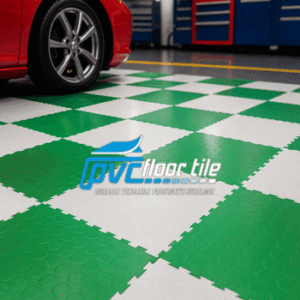
Automotive Workshop Coin Tiles 1Sqm= Green 4tiles
Original price was: R390,00.R355,43Current price is: R355,43. -
Sale!

Beige Engineering Work Bay Tiles – 500×500×5mm
Original price was: R325,74.R244,30Current price is: R244,30. -
Sale!

Black Grip Support Area Tiles – 500×500×5mm
Original price was: R125,01.R122,00Current price is: R122,00. -
Sale!
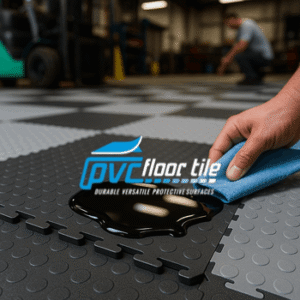
Dark Grey Workshop OilShield Tiles — 1sqm (4 Tiles)
Original price was: R390,00.R331,74Current price is: R331,74.
