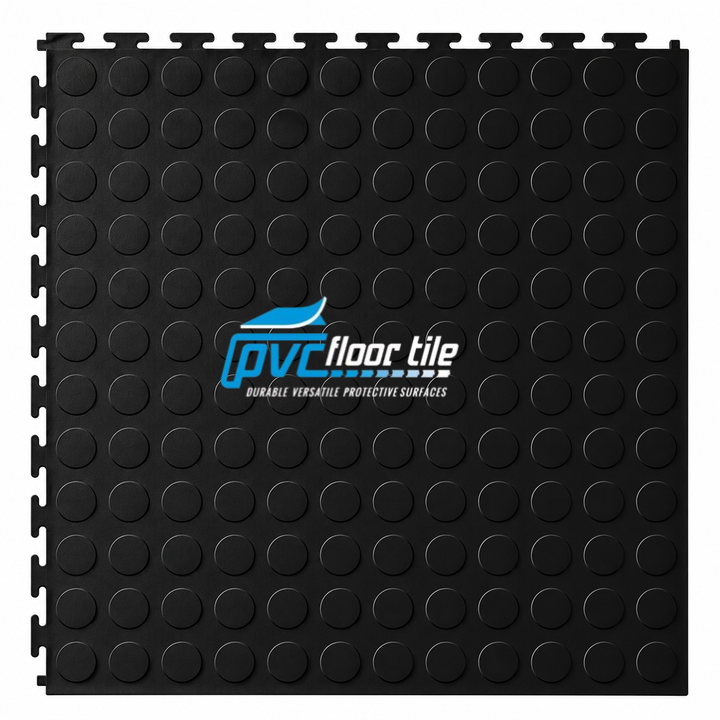
Extreme UV-Resistant PVC Tiles for Sun-Exposed Areas
Extreme UV-Resistant PVC Tiles are modular flooring products developed
for selected outdoor, semi-outdoor and sun-exposed applications. They
combine the practical installation benefits of interlocking PVC tiles
with material features intended to improve performance where ordinary
indoor flooring may receive more sunlight, heat and weather exposure
than it was designed to handle. These tiles may be considered for
covered patios, entrances, garages, workshops, balconies, outdoor work
zones and other suitable areas, provided the exact product matches the
supporting floor and intended use.
UV-resistant does not mean that a tile is unaffected by every outdoor
condition. Sunlight, heat, moisture, dirt, vehicle traffic, chemicals
and movement in the supporting floor can all influence performance.
The correct tile should therefore be selected according to its material,
thickness, surface texture, installation method and tested product
specifications. A clear assessment of the site is more useful than
choosing a floor solely because it is labelled for outdoor use.
Customers comparing these tiles with other modular PVC options can
explore our
PVC flooring collection
.
This collection includes interlocking products for garages, workshops,
commercial spaces and other practical flooring applications.
For product images, available colours, dimensions and current pricing,
visit the
Hidden-Lock UV PVC Floor Tiles product page
.
Checking the product page before ordering helps confirm the exact
option currently available.
What Makes a PVC Tile UV-Resistant?
Ultraviolet radiation is part of sunlight and can contribute to the
gradual weathering of polymer materials. In an outdoor environment,
sunlight normally acts together with temperature changes, rain,
humidity and contamination. UV-resistant PVC flooring is formulated or
manufactured to improve its ability to cope with this type of exposure
compared with flooring designed only for protected indoor use.
The exact formulation is product-specific. It may involve suitable raw
materials, pigments, stabilising additives and manufacturing controls.
Darker colours may react differently to heat than lighter colours, and
surface appearance can still change over time. For this reason, product
selection should be based on confirmed performance information rather
than on colour alone.
Important:
“UV-resistant” should not be interpreted as a guarantee that a floor
will never fade, expand, contract or change in appearance. Exposure
level, installation conditions and maintenance all affect long-term
results.
Suitable Applications for Extreme UV-Resistant PVC Tiles
Covered Patios and Outdoor Entertainment Areas
A covered patio may receive direct sunlight for part of the day while
remaining protected from some rain and weather. Modular UV-resistant
tiles can create a finished surface without the complexity of a
permanently bonded floor. Before installation, check water drainage,
door clearances, direct sun duration and whether furniture legs or
braai equipment will create concentrated loads or heat exposure.
Garages with Strong Sunlight
Garage entrances often receive direct sunlight while the rear of the
room stays shaded. This can create different surface temperatures
across the same floor. UV-resistant tiles may be useful in these
transitional areas, but expansion space, vehicle loads, tyre movement
and the condition of the concrete base should be considered. Oil and
chemical spills must also be cleaned according to the product care
guidance.
Workshops and Semi-Outdoor Work Areas
Workshops with open doors, covered loading zones or semi-outdoor work
bays may require flooring that receives intermittent sunlight and
weather exposure. Modular PVC tiles can help define work zones and may
allow individual sections to be replaced. Confirm compatibility with
oils, fuels, solvents, hot materials, machinery and wheeled equipment
before choosing the product.
Balconies and Covered Walkways
Balconies and covered walkways may experience sunlight, wind-driven
rain and daily temperature changes. The supporting surface must drain
correctly, remain stable and provide suitable edge protection.
Interlocking tiles should not block drainage outlets, and the finished
floor height should not interfere with doors, thresholds or safety
barriers.
Retail Displays and Outdoor Event Areas
Temporary or semi-permanent display areas can benefit from flooring
that is modular and visually consistent. Tiles may be lifted,
rearranged or replaced as the layout changes. Event use still requires
a level base, secure edges and an installation that suits expected
pedestrian traffic, display stands and weather conditions.
Main Benefits of UV-Resistant Interlocking PVC Flooring
-
Modular installation: individual tiles connect to
create a larger floor without conventional grout lines.
-
Replaceable sections: a damaged tile may be changed
without replacing the full installation when matching stock is
available.
-
Selected outdoor use: the product is designed for
applications where sunlight exposure is an important consideration.
-
Flexible layouts: tiles can be arranged to cover
garages, walkways, work zones and display areas.
-
Practical maintenance: modular sections can make
inspection and localised repairs easier.
-
Finished appearance: concealed or neat interlocking
edges can create a more continuous-looking floor.
These benefits depend on correct installation and suitable use. A
modular tile should not be expected to correct structural cracks,
severe moisture problems, unstable paving or poor drainage beneath the
floor. The base surface remains an important part of the finished
system.
UV-Resistant Tiles Compared with Standard Indoor PVC Tiles
| Feature |
UV-Resistant PVC Tiles |
Standard Indoor PVC Tiles |
| Primary environment |
Selected outdoor, semi-outdoor and sun-exposed areas |
Protected indoor rooms and workspaces |
| Sunlight consideration |
Material selected with UV exposure in mind |
May not be intended for regular direct sunlight |
| Temperature changes |
Installation should allow for outdoor temperature variation |
Normally experiences more stable indoor temperatures |
| Drainage planning |
Important in exposed or partly exposed areas |
Usually less affected by rainwater |
| Typical selection factor |
Exposure, support floor, weather and traffic |
Indoor traffic, load and appearance |
Standard indoor tiles can be suitable for factories, workshops,
garages and commercial rooms where sunlight and weather exposure are
limited. UV-resistant options are more appropriate when exposure is a
genuine site condition. Using the correct category reduces the risk of
selecting a product that was not intended for the environment.
How to Choose the Correct UV-Resistant PVC Tile
Assess Direct Sunlight
Note how many hours of direct sunlight reach the floor and which parts
of the area receive the strongest exposure. A north-facing outdoor
area can behave differently from a shaded entrance or covered garage.
Photographs taken at different times of day can help explain the
conditions when requesting advice.
Check the Supporting Floor
Concrete, screed, paving and tiled surfaces each have different
characteristics. The base should be reasonably level, stable and free
from sharp projections. Loose pavers, severe cracks and uneven joints
may affect how the interlocking tiles connect and sit. Moisture must
also have a route to drain or dry.
Consider Heat and Temperature Movement
Outdoor flooring can become warmer than the surrounding air,
particularly when it is dark in colour. Temperature changes may cause
materials to expand and contract. The layout should therefore follow
the manufacturer’s recommendations regarding perimeter gaps,
transitions, fixed objects and maximum uninterrupted floor dimensions.
Confirm Traffic and Loads
Foot traffic, parked vehicles, machinery, furniture and narrow wheels
create different demands. A tile that performs well on a patio may not
suit a loaded trolley route. Consider total weight, point loads, tyre
movement and how often the floor will be used.
Review Water and Chemical Exposure
Rainwater, cleaning water, pool chemicals, oil and solvents can affect
a floor in different ways. Confirm material compatibility and ensure
the base floor drains correctly. Spills should be cleaned promptly
rather than left under or on top of the tiles.
Preparing the Area Before Installation
Start by measuring the full installation area and checking the
perimeter. Remove loose dirt, stones, adhesive lumps and sharp objects.
Repair significant defects that may stop the tiles from lying evenly.
The floor should be clean and dry enough for the installation method
recommended for the product.
Unpack the tiles and allow them to adjust to the installation
environment where the product instructions recommend acclimatisation.
Lay out several rows before completing the full floor. This helps
confirm the direction of the connectors, final edge positions and the
number of cuts required.
Avoid locking a floating modular floor tightly between walls, posts or
permanently fixed equipment unless the product system specifically
requires it. Check doors, ramps, drains and thresholds before the final
layout is completed. Exposed edges should be neat and should not create
an unnecessary trip point.
Installation Guidance
Begin from a suitable reference line rather than assuming every wall is
perfectly straight. Connect each tile fully and check that the joints
remain aligned. Use suitable cutting tools and follow the product
instructions when trimming around posts or edges. Poorly cut sections
can create visible gaps or weak edge points.
In vehicle areas, consider the direction in which tyres turn and brake.
Concentrated twisting movement can place more stress on modular joints
than straight movement. In large exposed areas, confirm whether the
installation needs additional expansion breaks, edge restraints or a
different fixing method.
After installation, walk over the complete area and inspect the joints,
perimeter gaps and transitions. Recheck the floor after initial use,
especially where temperature changes are significant. Any raised edge
or loose section should be corrected promptly.
Cleaning and Maintenance
Sweep or vacuum loose dirt regularly so abrasive particles do not build
up on the surface. Use cleaning products that are compatible with PVC
and follow the recommended dilution. Avoid harsh chemicals unless the
product supplier confirms suitability. Rinse where necessary and do
not allow cleaning residue to remain on the floor.
Inspect the floor for damaged connectors, movement, lifted corners and
trapped contamination. Outdoor or semi-outdoor areas may require more
frequent inspection after storms, high temperatures or heavy traffic.
If tiles can be lifted, check the supporting surface for water, dirt or
drainage problems.
Colour and surface appearance may change gradually with use and
exposure. Rotating loose sections is not always practical because
interlocking directions and wear patterns must match. Keeping spare
tiles from the original order can make future replacement easier.
Understanding Outdoor Weathering
Outdoor polymer performance is influenced by more than ultraviolet
light alone. NIST research on accelerated weathering examines how UV
intensity, temperature and humidity can contribute to changes in
plastic materials. Read the
NIST accelerated weathering study
for general technical background on environmental exposure.
The NIST study is general materials research and does not certify a
particular PVC Floor Tile product. Product suitability should still be
confirmed using the exact product specification, application details
and installation conditions.
Frequently Asked Questions
Will UV-resistant PVC tiles never fade?
No flooring should be described as completely unaffected by unlimited
outdoor exposure unless supported by specific test data and warranty
terms. UV-resistant tiles are intended to improve performance in
sun-exposed conditions, but appearance may still change over time.
Can these tiles be installed outdoors without adhesive?
Some interlocking tiles can be installed as modular floating floors,
while exposed or high-traffic applications may need additional
measures. Follow the instructions for the exact product and confirm
perimeter, expansion and edge requirements.
Can they be installed over paving?
This depends on how flat, stable and well-drained the paving is. Large
joints, loose blocks or uneven sections may show through or affect tile
connections. Inspect and prepare the base before installation.
Are these tiles suitable around a swimming pool?
Suitability depends on water drainage, surface texture, chemicals,
temperature and the exact product specification. Confirm poolside use
before ordering and do not rely on the product name alone.
How many tiles will I need?
Measure the area in square metres and divide it by the coverage of one
tile. Hidden-Lock UV tiles are shown as 500 × 500 mm, which generally
means four tiles cover one square metre before allowing for cutting or
layout waste. Confirm the final quantity with the supplier.
Order Extreme UV-Resistant PVC Tiles in South Africa
Extreme UV-Resistant PVC Tiles provide a modular flooring option for
areas where sunlight and outdoor exposure are important selection
factors. Their interlocking format can simplify installation and make
localised replacement more practical. The strongest results come from
matching the product to the real conditions of the site.
Before requesting a quotation, prepare the floor measurements,
installation photographs, location, expected traffic and information
about sunlight, water and chemical exposure. These details help PVC
Floor Tile recommend a more suitable option and calculate the required
quantity.
Need Help Choosing UV-Resistant PVC Tiles?
Send us your measurements, installation photographs and delivery
location for product and quantity assistance.



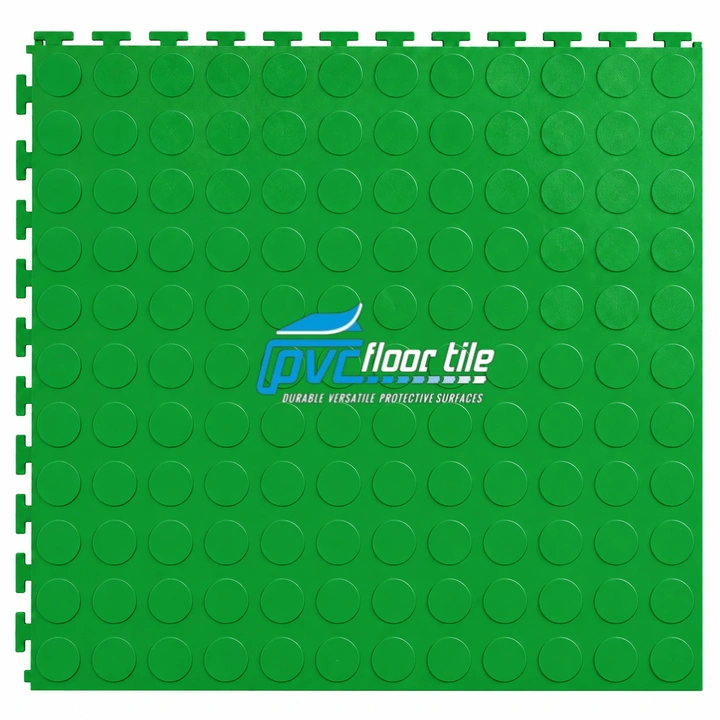 View Green UV Tile