Drainage Interlocking Tiles for Wet and Busy Floor Areas
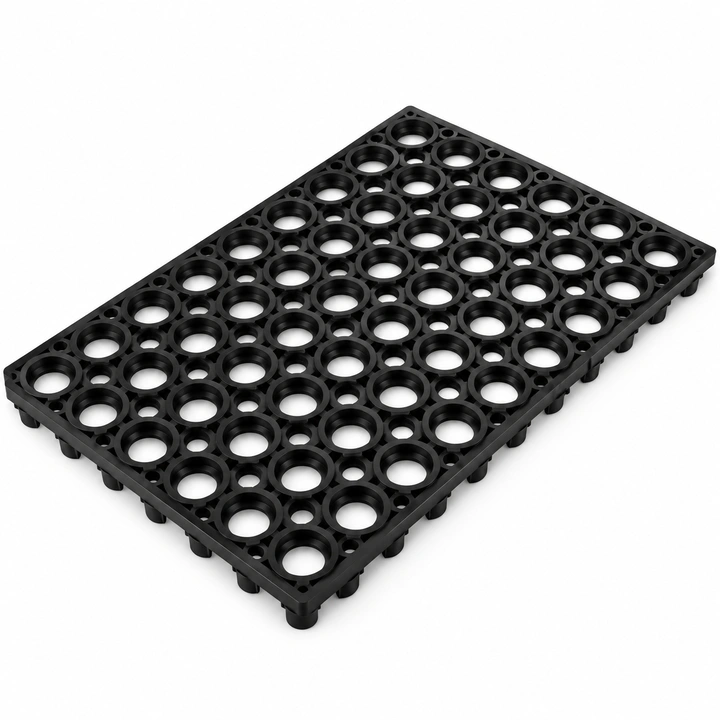
Drainage interlocking tiles are modular floor coverings designed with open holes or channels that allow water, loose dirt and small debris to move away from the walking surface. Instead of trapping moisture on top of a solid floor covering, the open construction creates a raised surface with space underneath. This makes drainage tiles useful in entrances, wash areas, workshops, kitchens, changing areas, poolside zones, service areas and other places where floors may regularly become wet or dirty.
The interlocking edges connect individual sections to create a larger floor layout. This modular format makes it possible to cover a selected work zone, walkway or entrance without permanently changing the entire supporting floor. Individual sections may also be lifted for cleaning or replaced when necessary. The right product must still be selected according to the intended environment, expected traffic, supporting floor, drainage requirements and exposure to chemicals, oils or heat.
PVC Floor Tile supplies modular flooring for different commercial,
industrial and residential applications. Customers comparing drainage
products with other rubber floor coverings can explore our
rubber mats collection
to view additional flooring options for workshops, entrances,
commercial areas and other demanding spaces.
If you need the featured open-ring product can view its size,
current price, product images and ordering details on the
Drainage Ring Mat product page
.
How Drainage Interlocking Tiles Work
A drainage tile normally has a perforated or open-grid upper surface supported by a raised underside. Water passes through the openings and can move beneath the tile instead of remaining directly around a person’s shoes. Loose particles may also fall through the surface, helping to separate the walking level from some of the contamination below. The supporting floor must still have suitable drainage or a cleaning plan because the tile does not remove water from the building by itself.
The tiles or mats connect at their edges, creating a stable modular layout when they are correctly installed on a suitable base. Some drainage products are supplied as small interlocking tiles, while others are supplied as larger ring mats that can be used individually or connected to cover a wider area. Product dimensions, thickness, material and connector design vary, so measurements should be checked before quantities are calculated.
Important: Drainage flooring forms one part of a complete floor-management plan. Standing water, spills, damaged flooring and blocked drainage channels should still be dealt with promptly. Product suitability depends on the exact location and working conditions.
Where Drainage Tiles and Ring Mats Can Be Used
Entrances and Doorways
Entrances often receive water, mud and grit from footwear, especially during rainy weather. An open drainage mat can provide a defined area where water and loose dirt move below the standing surface. This can help reduce the amount of contamination carried further into a building, although the mat and surrounding floor still need regular cleaning.
Workshops and Service Areas
Workshops may experience water, dust, small debris and other contamination from daily work. Modular drainage mats can be positioned at selected workstations, wash points or entrances where an open surface is useful. Before installation, confirm whether the material is compatible with any oils, fuels, solvents, chemicals or hot materials used in that area.
Commercial Kitchens and Food Preparation Areas
Kitchens and food-service spaces may have water, grease and food particles on the floor. Open mats can keep workers above some surface contamination, but they must not replace cleaning, spill control, drainage maintenance or appropriate footwear. The product should also be easy to lift and clean because trapped residue beneath a mat can become unhygienic.
Changing Rooms, Wash Areas and Poolside Zones
Areas close to showers, wash stations and swimming facilities often require flooring that allows water to pass through. Drainage tiles may create a more comfortable raised surface than standing directly on a wet concrete or tiled floor. The supporting floor should slope toward a working drain, and the selected product must be suitable for the expected exposure and cleaning routine.
Industrial Walkways and Packing Areas
Selected industrial zones may benefit from modular drainage flooring where occasional water or loose particles are present. The expected foot traffic, trolley use, equipment loads and wheel sizes should be considered. A lightweight ring mat designed for people standing in one place may not be suitable for heavy machinery or regular pallet-truck movement.
Key Benefits of Modular Drainage Flooring
- Open surface: allows water and some loose debris to pass below the standing level.
- Modular format: selected areas can be covered without installing a permanent wall-to-wall floor.
- Replaceable sections: damaged sections may be replaced individually when compatible parts are available.
- Cleaning access: mats and tiles can often be lifted so the supporting floor can be cleaned.
- Flexible layouts: interlocking pieces can be arranged to suit entrances, work zones and walkways.
- Defined standing area: a mat can create a clear work or waiting zone in a larger room.
These benefits depend on correct product selection and maintenance. The surface texture, hole size, thickness, flexibility and material should match the application. Customers should not choose solely by appearance because products that look similar may have different load, chemical and temperature limitations.
Drainage Tiles Compared with Solid Interlocking Tiles
| Feature | Open Drainage Tiles | Solid Interlocking Tiles |
|---|
| Surface design | Open holes or grid sections | Continuous solid upper surface |
| Water movement | Water can pass below the walking level | Water remains on top until removed |
| Typical use | Wet areas, entrances and wash zones | Garages, workshops, factories and commercial rooms |
| Cleaning approach | Lift sections and clean both mat and base floor | Clean the upper surface according to product instructions |
| Small objects | May fall through openings | Remain on the visible upper surface |
Open drainage products are normally chosen where allowing water through the surface is a priority. Solid interlocking tiles are often more appropriate where the goal is to create a continuous finished floor and prevent dirt from reaching the supporting surface. Some projects use both: solid tiles across the main room and drainage mats at entrances, sinks or wash points.
How to Choose the Correct Drainage Flooring
Measure the Area Carefully
Measure the length and width of the installation area in metres. For a simple rectangle, multiply the length by the width to calculate square metres. Irregular spaces should be divided into smaller rectangles and calculated separately. Product quantities depend on the exact tile or mat dimensions, so confirm the supplied size before ordering.
Identify the Main Source of Moisture
Determine whether the area receives rainwater, cleaning water, process water, food contamination or occasional spills. This affects the required material, opening size and cleaning routine. Where oils, chemicals or hot substances are present, request written confirmation that the selected material is suitable.
Consider Traffic and Loads
A drainage mat used by pedestrians has different requirements from a floor crossed by loaded trolleys or wheeled equipment. Consider the total load, wheel type, wheel diameter and frequency of movement. Point loads from narrow wheels or equipment legs may place more stress on a tile than a person standing on it.
Check Edges and Floor Transitions
Exposed mat edges should not create an unnecessary trip point. Bevelled edges, ramps or a recessed installation may be useful depending on the product and location. Mats should lie flat, connectors should be fully engaged, and the supporting surface should be stable and reasonably even.
Plan for Cleaning and Access
Water and debris that pass through the openings remain beneath the product until removed. Choose a layout that can be lifted or accessed for cleaning. Large areas may be divided into manageable sections. Staff should understand how often the mat must be moved and how the supporting floor and drainage channels will be cleaned.
Installation Preparation
Begin with a clean, stable supporting floor. Remove loose materials, sharp objects and heavy contamination. Repair significant holes or damage that could prevent the mat from lying evenly. Confirm that doors can open freely and that the finished height will not interfere with equipment, thresholds or access routes.
Lay out several pieces before completing the full installation. This makes it easier to confirm direction, connectors and final dimensions. Join the sections according to the product design without forcing incompatible connectors. Where trimming is permitted, use suitable tools and follow the product instructions. Keep cut edges neat and avoid leaving small projections that could catch footwear.
After installation, walk over the area and check for movement, raised corners, incomplete connections and uneven transitions. Recheck the layout after the first period of use because some products may settle or shift slightly depending on the base floor and traffic.
Cleaning and Maintenance
Routine maintenance helps preserve the appearance and function of drainage interlocking tiles. Remove loose debris from the upper surface and openings. Lift sections periodically so dirt and moisture can be removed from the supporting floor. Clean the mat using products that are compatible with its material, then rinse and allow it to dry where required.
Avoid allowing debris to block the openings or build up beneath the mat. Check connectors, edges and corners for damage. Replace damaged pieces when they no longer lie flat or connect securely. Also inspect drains and channels because an open mat cannot work effectively if the drainage route below is blocked.
Cleaning schedules should reflect the amount of traffic and contamination. A lightly used residential entrance may require less frequent deep cleaning than a busy commercial kitchen or industrial wash area. Always follow workplace cleaning procedures and the manufacturer’s care guidance.
Managing Wet-Floor Conditions
Drainage flooring should be combined with good housekeeping. The UK Health and Safety Executive explains that wet or dirty floors are a common source of slips and recommends measures such as improving drainage, controlling contamination and using suitable mats or grids where necessary. Read the HSE guidance on slips and trips for general workplace information.
The external guidance is general and does not certify a particular PVC Floor Tile product for a specific site. Each customer should assess the actual environment, supporting floor, footwear, cleaning process and working activities. Where a regulated or high-risk environment is involved, obtain advice from the responsible safety professional.
Frequently Asked Questions
Do drainage interlocking tiles remove water from the room?
No. They allow water to pass below the walking surface, but the supporting floor still needs an effective route for water to drain or be removed. Standing water beneath the product must not be ignored.
Can drainage tiles be installed without adhesive?
Many modular drainage products are designed to connect mechanically, but installation requirements differ. Confirm the specific product instructions, area size, edge treatment and expected traffic before deciding whether adhesive or another fixing method is needed.
Can one damaged section be replaced?
Modular products often allow individual sections to be removed and replaced. The replacement must match the existing product, dimensions and connector system. Product designs can change, so keeping spare sections from the original order may be useful.
Are drainage mats suitable for outdoor use?
Suitability depends on the material, UV exposure, temperature, weather, supporting surface and drainage conditions. Do not assume every black rubber or PVC mat is suitable outdoors. Ask for confirmation for the particular product.
How many drainage tiles do I need?
Calculate the installation area and divide it by the coverage of one tile or mat. Include an allowance for the layout and any cutting where relevant. Send PVC Floor Tile your measurements for quantity assistance before placing a large order.
Order Drainage Interlocking Tiles in South Africa
Drainage interlocking tiles provide a practical modular option for areas where water and loose contamination need to move below the walking surface. Their usefulness comes from the combination of an open design, raised construction and sections that can be connected, lifted and replaced. The correct choice depends on the exact environment rather than on appearance alone.
Before ordering, confirm the product dimensions, material, intended application, supporting floor, expected traffic and cleaning routine. Share clear measurements and photographs of the area when requesting a quotation. This helps the PVC Floor Tile team recommend a more suitable product and calculate the required quantity.
Need Help with Drainage Flooring?
Send us your floor measurements, application details and delivery location for product and quantity assistance.


 View Drainage Ring Mats
