
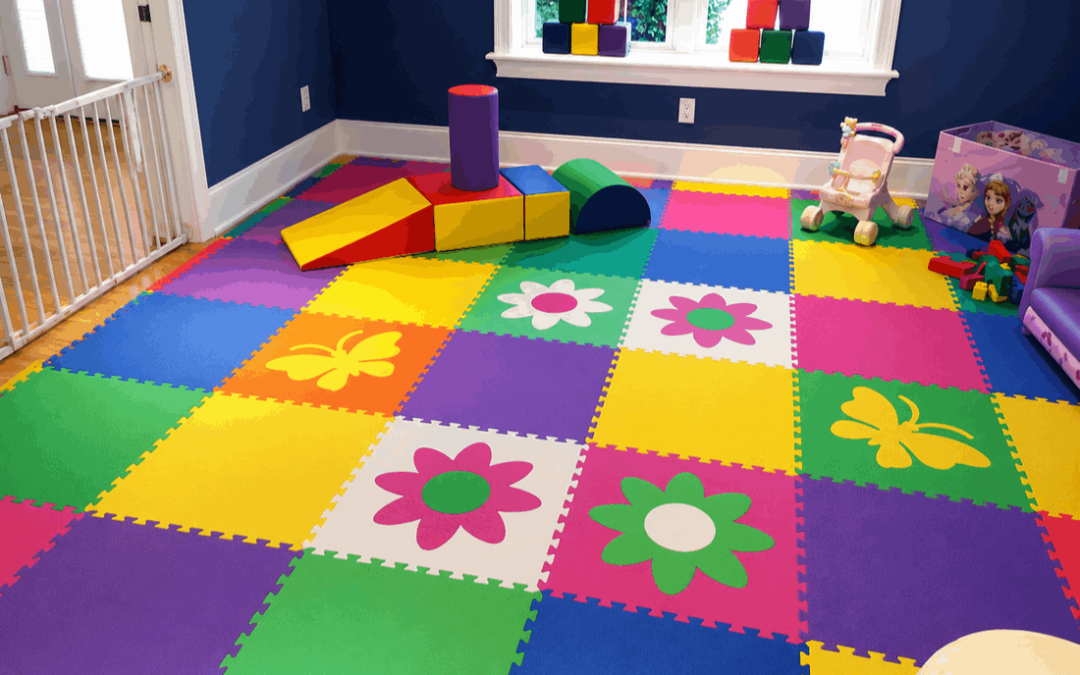
Foam mats for crèches and daycare centres can create a softer, warmer and more comfortable floor surface for children who spend much of their day crawling, sitting, kneeling, reading and playing close to the ground. Interlocking foam tiles are particularly useful in supervised indoor classrooms, quiet corners and activity rooms because the flooring can be arranged around the available space without permanently replacing the existing floor. Crèche owners, schools and childcare facilities can compare suitable colours, tile sizes and interlocking options in our EVA Foam Mats collection.
What Are the Best Foam Mats for Crèches and Daycare Centres?
The best foam mats for crèches and daycare centres are well-fitted interlocking tiles chosen according to the children’s ages, the type of activity, room dimensions and amount of daily use. Suitable mats should lie flat, connect securely, provide a comfortable floor feel and be manageable to clean. EVA foam is generally best suited to dry indoor spaces used for crawling, reading, puzzles, building blocks, supervised movement and other light floor-level activities.
Comfort for floor activities
The foam layer reduces direct contact with hard concrete, ceramic tiles, laminate and other permanent floors.
Flexible room layouts
Interlocking tiles can define a reading corner, toddler section, learning zone or larger indoor play area.
Practical daily care
Individual sections can normally be wiped, inspected, lifted and repositioned when the room requires cleaning.
Why Flooring Matters in Early Learning Environments
Young children interact with the floor differently from older learners and adults. Much of their play, learning and social interaction happens while sitting, crawling or kneeling. The floor may be used for story time in the morning, building activities later in the day and supervised movement sessions in the afternoon.
A hard floor can be durable and easy to sweep, but it may feel cold and uncomfortable during extended floor activities. Foam flooring creates a softer layer over the permanent surface and can help make a classroom or playroom feel more welcoming.
The floor also influences how the room is organised. Different tile colours can identify particular activity sections without installing permanent partitions. A quiet reading corner may use one arrangement, while a larger open section can be reserved for group activities.
However, comfort is only one part of the decision. Crèche flooring must also suit the number of children using the room, the cleaning schedule, the furniture layout and the type of toys or equipment present. A product suitable for a small baby room may not perform the same way in a busy aftercare facility.
Suitable Uses for Foam Floor Mats in Crèches
EVA foam works best in clean, dry indoor rooms where children participate in light, supervised activities. It is not a universal surface for every section of a childcare facility.
Suitable indoor areas
- Baby crawling and supervised tummy-time sections.
- Toddler toy and puzzle areas.
- Classroom reading corners.
- Storytelling and group-circle sections.
- Building-block and construction-toy areas.
- Quiet sensory and relaxation spaces.
- Arts and crafts areas with controlled materials.
- Indoor movement and stretching zones.
- Temporary holiday-care activity rooms.
- Multipurpose classrooms requiring flexible layouts.
Areas needing another floor type
- Outdoor spaces exposed to rain and direct sunlight.
- Wet rooms containing regular standing water.
- Busy corridors with heavy daily foot traffic.
- Kitchen and food-preparation sections.
- Entrances exposed to outdoor dirt and moisture.
- Areas containing heavy movable furniture.
- Rooms with hot equipment or open heaters.
- Raised playground-equipment fall zones.
- Vehicle, storage or maintenance areas.
- Spaces requiring specialist certified surfacing.
Facilities with several different activity zones may need more than one flooring material. EVA can serve soft indoor play sections, while corridors, entrances and heavily used classrooms may require firmer and more durable surfaces. Our guide to indoor and outdoor play-area flooring ideas explains how foam, rubber and other materials can serve different environments.
How to Choose Foam Mats for Crèches and Daycare Centres
The right choice should be based on how the room functions throughout the day. Colour may be important, but it should come after practical factors such as size, thickness, surface texture, joint design and recommended application.
Consider the children’s age group
A baby room, toddler classroom and aftercare centre have different flooring needs. Babies may spend longer periods crawling and lying close to the floor. Toddlers may move toys across the surface, while older children may participate in seated learning or craft activities.
Rooms used by very young children require particularly careful inspection. Check for loose edge strips, damaged puzzle pieces and small detachable components. Any loose or damaged part should be removed from the activity area promptly.
Match the mat to the activity
Reading, puzzles and supervised floor play place relatively light demands on foam flooring. Furniture movement, wheeled storage boxes and energetic group activities can create more pressure on the joints and surface.
List the main activities that take place in each room before ordering. A mat should be selected for the busiest normal use—not only the quietest activity on the timetable.
Check the interlocking connection
The puzzle edges should fit evenly and produce a flat surface. Poorly connected tiles may separate during use and leave raised edges. Test several pieces before covering the complete room and check that the tiles are being installed in the correct orientation.
Review the surface texture
A lightly textured finish can provide a more practical surface than completely smooth foam. Deep patterns may hold crumbs, dust and craft materials, so the finish must also work with the facility’s cleaning routine.
Assess the permanent floor
The surface below the mats should be stable, clean and dry. Loose ceramic tiles, raised edges, sharp objects and persistent moisture should be corrected before the foam is installed. Mats should not be used to conceal a damaged or damp substrate.
Request product information
Before purchasing for a school or commercial childcare facility, request information about the material, dimensions, thickness, pack coverage, cleaning method and intended use. Product specifications are more reliable than judging suitability from a photograph alone.
Choosing the Right Thickness and Floor Feel
Thickness affects cushioning, the finished floor height and the transition between the mat and surrounding surfaces. A thicker tile may feel softer, but thickness alone does not establish whether a product is suitable for a particular safety application.
Measure the clearance below classroom doors, low cupboards and storage units. The installed flooring should not prevent doors from opening or create an unexpected raised edge across a normal walking route.
The foam should also feel stable enough for the planned activity. Extremely soft flooring may compress below furniture legs or wheeled storage units. Place heavy cabinets and permanent storage on the original floor wherever possible rather than resting them on the foam.
Comfort flooring is not automatically fall-protection flooring
Ordinary indoor EVA mats can improve comfort for floor-level play, but they should not automatically be used beneath slides, climbing structures or raised playground equipment. Those applications require surfacing selected according to the equipment, possible fall height, installation and relevant testing documentation.
Facilities planning flooring beneath elevated equipment can consult the external CPSC Public Playground Safety Handbook for broader information about playground use zones and protective surfacing requirements.
How Much Foam Flooring Does a Crèche Need?
Begin by deciding whether the full classroom or only a selected activity zone will be covered. Measure the length and width of the proposed area in metres and multiply the two figures to calculate the square metres.
For example, an activity section measuring 4 metres long and 3 metres wide covers 12 square metres:
4 m × 3 m = 12 m²
Measure alcoves, pillars and irregular room sections separately. Add these measurements to the main total if the mats will extend into those areas.
Check the actual dimensions and coverage of the selected tile pack. Products may look similar online while using different tile sizes and quantities. Calculate the order using the stated product specifications rather than estimating from an image.
| Planning Question | What to Check | Why It Matters |
|---|---|---|
| Will the full room be covered? | Decide between full coverage and a defined activity zone. | This determines the basic floor area required. |
| What size is each tile? | Check the product dimensions and pack coverage. | Different tile sizes require different quantities. |
| Are border strips included? | Confirm whether straight edge pieces are supplied. | Borders can affect the final dimensions and layout. |
| Does the room contain pillars? | Measure alcoves, corners and fixed obstacles. | Irregular areas may require additional planning. |
| Will the play area expand? | Consider keeping matching spare tiles. | Future colour batches may differ slightly. |
| Will furniture sit on the mats? | Identify permanent cabinets, tables and storage units. | Heavy items may compress soft foam. |
Layout tip: Mark the proposed foam area using removable floor tape before ordering. This helps staff check door movement, storage positions, supervision lines and the amount of open play space remaining.
How to Install Interlocking Daycare Floor Mats
Most puzzle-style foam mats are intended for straightforward loose-lay installation. Careful preparation and alignment will help the joints remain connected and make the completed surface easier to manage.
Clear the room
Remove toys, small furniture, storage containers and loose classroom materials. A clear area allows the permanent floor to be inspected properly.
Sweep or vacuum thoroughly
Remove sand, crumbs, stones, craft materials and other debris. Even a small object may create an uneven point beneath the foam.
Clean the permanent surface
Use a cleaning method suitable for the existing floor. Remove residue and allow the room to dry before the mats are installed.
Plan the colour pattern
Arrange several pieces without fully connecting them. Check the pattern, room direction and position of the final outside edges.
Connect the first row
Align the puzzle edges carefully and press along the complete joint. Do not stretch the material or force pieces that are incorrectly positioned.
Continue one row at a time
Build the area in an organised direction and inspect the alignment regularly. Correct separated joints before adding more tiles.
Install compatible edge pieces
Fit straight border strips where supplied. Confirm that they are securely connected and do not create loose detachable sections.
Complete a final inspection
Walk around the complete area and check every joint, edge and corner. The surface should lie flat and remain clear of doors, heaters and busy walkways.
Planning Different Activity Zones
A well-designed crèche room does not need to use the same flooring in every section. Dividing the room into activity zones can help staff organise toys, learning materials and supervision more effectively.
Crawling and baby areas
A clean foam section can provide a more comfortable surface for supervised crawling and floor-level activities. Keep the space separate from outdoor shoes, food preparation and busy entrances where possible.
Reading and storytelling areas
A defined soft zone can help establish a quieter section for books, storytelling and group-circle time. Keep nearby shelving stable and position heavy units on the permanent floor.
Construction and puzzle areas
Foam mats can support ordinary building blocks, puzzles and lightweight toys. Inspect toys regularly for sharp or broken pieces that could mark the mat or create hazards.
Arts and craft sections
Foam can be used for controlled craft activities, but spills should be cleaned promptly. Permanent paint, solvents, strong glue and sharp cutting equipment should be managed according to the facility’s normal procedures.
Higher-traffic school areas
Corridors, entrances, dining areas and busy classrooms may require firmer flooring than a soft play zone. Facilities comparing flooring for the rest of the premises can review our school flooring guide for classrooms and high-traffic areas.
Cleaning Foam Mats in Childcare Facilities
Cleaning is especially important in crèches and daycare centres because several children may use the same floor throughout the day. A documented routine can help staff manage dust, spills, food marks and shared activity areas consistently.
Remove loose dirt first
Sweep with a soft broom or use a suitable vacuum setting. Pay attention to puzzle joints, outside borders and areas beneath low furniture where debris may collect.
Clean spills promptly
Food, drinks, paint and other liquids are generally easier to remove before they dry. Lift the affected tile if moisture has entered a joint and allow both the foam and permanent floor to dry fully.
Use a compatible cleaner
Follow the product supplier’s care instructions. A mild cleaning solution and soft cloth or mop may be suitable for routine care, but strong solvents and unapproved chemicals may damage or discolour some foam products.
Avoid excessive water
Do not flood the mats during cleaning. Water may travel through the joints and remain beneath the flooring. Use controlled moisture and allow the area to dry before children return.
Separate cleaning and disinfecting decisions
Routine cleaning, sanitising and disinfecting serve different purposes. Staff should follow their facility procedures, product labels and local requirements when deciding which process is needed.
The external CDC guide to cleaning early-care and education settings provides broader guidance on cleaning surfaces first and using disinfecting products according to their labels.
Inspect the mats during every clean
Look for split edges, separated joints, lifting borders, permanent compression and damage. Remove a damaged piece from the play area until it can be replaced.
Allow the floor to dry completely
Children should return only when the surface is dry, the joints are fully connected and no cleaning residue remains. Mats lifted for deeper cleaning should not be reinstalled over a damp permanent floor.
EVA Foam Mats Compared With Other Childcare Flooring
| Flooring Type | Best Use | Main Benefit | Important Limitation |
|---|---|---|---|
| EVA foam mats | Dry indoor playrooms, reading corners and light activity areas | Soft, lightweight and easy to rearrange | May compress beneath heavy furniture and equipment |
| Rubber flooring | Busier activity spaces and demanding exercise areas | Denser and generally more resilient | Heavier and firmer than EVA foam |
| PVC interlocking tiles | Classrooms, passages and higher-traffic indoor spaces | Firm, durable and practical for regular movement | Less cushioned for long floor-level activities |
| Carpet | Quiet reading rooms and general indoor comfort | Warm textile feel and familiar appearance | Spills and stains may require deeper cleaning |
| Ceramic tiles | Kitchens, passages and permanent hard-floor areas | Firm surface and straightforward routine cleaning | Hard and cold for extended floor-level play |
| Specialist playground surfacing | Defined equipment zones and specified fall areas | Designed for a particular playground application | Requires product-specific design and installation |
Common Mistakes When Buying Daycare Floor Mats
Choosing by colour alone
Bright colours may suit a children’s room, but the mat dimensions, thickness, surface, interlocking system and intended application should be checked first.
Assuming every foam product is identical
Foam mats can differ in density, surface finish, joint design, thickness and recommended use. Similar-looking product images do not guarantee identical performance.
Covering a wet or damaged floor
Foam should not be installed over unexplained dampness, loose tiles, sharp edges or unstable floor sections. Correct the substrate before covering it.
Placing heavy furniture on the mats
Cabinets, shelving and tables with narrow legs can compress the foam. Keep heavy permanent furniture on the original floor where possible.
Ignoring loose edge pieces
Border strips and puzzle joints should be checked regularly. Loose pieces require prompt attention, particularly in rooms used by infants and toddlers.
Using indoor foam outside
Rain, direct sunlight and temperature changes can affect products made for dry indoor rooms. Select purpose-specific flooring for outdoor spaces.
Using ordinary mats beneath raised play equipment
Comfort-focused indoor mats should not automatically be treated as tested fall protection. Raised equipment requires flooring selected for the particular installation.
Ordering without measuring
Estimating by eye may result in too few tiles, unnecessary waste or an awkward room layout. Measure the proposed area and check pack coverage before purchasing.
Frequently Asked Questions
Are foam mats suitable for crèches and daycare centres?
Yes. They can be suitable for dry, supervised indoor playrooms, reading corners, baby areas and light activity spaces when the product matches the intended use.
Can EVA foam mats be installed over ceramic tiles?
They can generally be laid over clean, dry and stable tiles. Repair loose or raised tiles and remove all debris before installing the foam.
Do interlocking daycare mats need glue?
Many puzzle-style mats are designed for loose-lay indoor installation. The interlocking edges connect the tiles without permanently bonding them to the floor.
Can the mats cover an entire classroom?
They can cover a large dry activity room, but the decision should consider furniture, daily traffic, cleaning, doors and whether a firmer surface would be better in some sections.
Are thicker foam mats always better?
No. Thickness affects cushioning, but suitability also depends on density, construction, joint quality, activity type and the finished floor height.
Can foam mats be used outdoors?
Most EVA comfort mats are intended for dry indoor areas. Do not install them outside unless the selected product is specifically approved for outdoor conditions.
How often should crèche mats be cleaned?
The cleaning frequency depends on the number of children, activity type, spills and the facility’s hygiene procedures. Busy shared spaces usually need more frequent attention than small home play areas.
Can one damaged foam tile be replaced?
Interlocking systems often allow an individual piece to be disconnected and replaced. Keeping several matching spare tiles can help with future repairs.
Can heavy cupboards stand on EVA foam?
Heavy furniture may compress soft foam, particularly when the legs create concentrated pressure. Permanent storage should remain on a firm surface where possible.
Are indoor EVA mats suitable beneath climbing frames?
Ordinary indoor EVA mats should not automatically be used as fall-protection surfacing beneath elevated equipment. Choose a tested specialist surface for the equipment and installation.
Final Advice on Foam Mats for Crèches and Daycare Centres
Foam mats for crèches and daycare centres can provide a practical surface for supervised indoor activities where children sit, crawl, read and play close to the floor. Their lightweight interlocking design makes it possible to create specific learning and activity zones without permanently replacing the existing floor.
The best result begins with careful planning. Measure the room, consider the age group, list the daily activities and check how furniture, doors and storage will interact with the finished surface. Select the mat according to the busiest normal use and review the product information before ordering.
Foam flooring should be installed over a stable, clean and dry substrate. Every joint, border and corner should be inspected after installation and during routine cleaning. Loose or damaged pieces should be corrected promptly.
EVA mats are most suitable for dry indoor comfort areas. Corridors, entrances, outdoor spaces, heavy furniture sections and raised playground equipment may require other flooring selected for those specific conditions.
By matching each floor surface to the activity taking place above it, South African crèches, daycare centres and schools can create spaces that are comfortable, practical and easier for staff to organise and maintain.
Plan a Comfortable Indoor Activity Area
Measure the available space, identify the children’s age group and decide which activities will take place on the floor. The EVA Foam Mats collection linked in the opening paragraph can help you compare modular flooring options for crèches, classrooms, daycare centres and supervised indoor play areas.
