
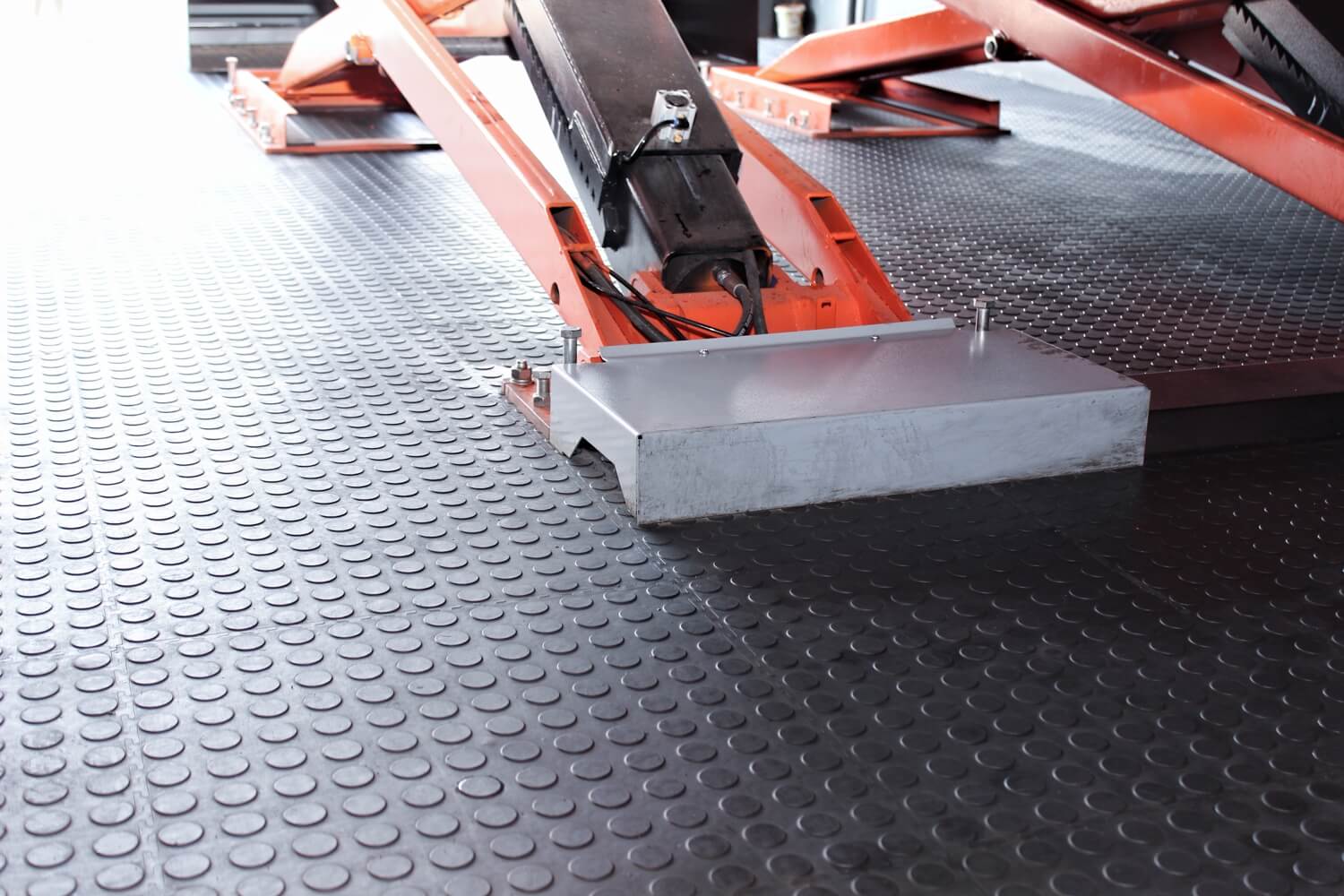
Flooring for Workshops and Garages: Best Options, Specs & Tips (SA Guide)

Flooring for Workshops and Garages: Best Options, Specs & Tips

This in-depth guide explains what matters most when choosing flooring for workshops and garages in South Africa—durability, traction, chemical resistance, load capacity, and easy maintenance. We compare materials, give specification targets, and offer install/cleaning advice for long-lasting results.

Why the right flooring matters in workshops and garages

These spaces face unique stress: rolling loads (trolleys, jacks), parked vehicles, oil and chemical spills, hot tyres, sharp debris, and occasional impact. Good flooring for workshops and garages should:

  • Provide non-slip traction in dry and damp conditions.
  • Resist oils, grease, and mild chemicals.
  • Handle point loads from stands, jacks, racks and machinery.
  • Be easy to clean and maintain with simple tools.
  • Install quickly to minimise downtime—ideally DIY friendly.

Quick picks: which floor for which situation?

  • Fast DIY, vehicle-ready: PVC interlocking tiles (5–7 mm for home; thicker for light-industrial).
  • Non-slip safety & noise damping: Rubber tiles/mats in work bays and lift zones.
  • Permanent, seamless finish: Industrial epoxy/PU systems with textured topcoats.
  • Budget base: Sealed/polished concrete (with grit additive near wet entries).

PVC Interlocking Tiles (the most versatile choice)

PVC interlocking is a leading solution for flooring for workshops and garages because it’s tough, modular and quick to install. Tiles click together without glue on a reasonably flat slab, so you can use the space the same day.

Key advantages

  • Vehicle & trolley loads: Dense PVC handles hot tyres and rolling loads when correctly specified.
  • Replace per tile: Damage a tile? Swap it in minutes—no full refit.
  • Cleaner workspace: Closed-top tiles reduce dust vs raw concrete; easy to mop.
  • Comfort & noise: Softer and quieter than concrete or ceramic.

Spec targets

  • Thickness: 5–7 mm (home/garage) | 7–9 mm (light-industrial).
  • Surface: textured or checker for traction; consider bevelled edges at doors.
  • Chemicals: choose formulations rated for oils/fuels; wipe spills promptly.

See gym-grade, heavy-use options on our Gym Flooring page (many of those specs work brilliantly in utility bays too).

Rubber Tiles & Mats (targeted protection)

Rubber isn’t usually used across full vehicle lanes, but it’s outstanding for work bays, benches, jack stands, and lift zones where slip-resistance, impact cushioning and noise control matter.

Why add rubber zones?

  • Non-slip: High traction in damp or oily spots.
  • Impact & vibration: Protects the subfloor and reduces ringing/echo.
  • Fatigue relief: Better underfoot comfort for long standing tasks.

Spec targets

  • Thickness: 8–12 mm (general), 12–15 mm for heavy impact.
  • Format: interlocking tiles for area coverage; heavy mats under presses, racks and benches.
  • Edges: bevel ramps to avoid trips and to roll tool chests smoothly.

Sealed/Polished Concrete (the durable baseline)

Sealed concrete is a cost-effective base for garages and small workshops. It carries heavy loads easily, but you’ll need to manage dust and slip risk.

  • Pros: Strong, long service life, low materials cost, easy to repair or overlay later.
  • Cons: Hard underfoot, can dust if unsealed, slippery when wet unless grit is added.
  • Tip: Even with a seal, add textured mats at entries and work bays.

Epoxy/PU Coatings (seamless and chemical-resistant)

Epoxy and polyurethane systems give a seamless, light-reflective finish and excellent chemical resistance. They require careful prep and curing downtime but deliver a premium, permanent surface for flooring for workshops and garages.

  • Pros: Seamless hygiene, colour-coding and line marking, strong chemical/solvent resistance.
  • Cons: Pro install, slab moisture checks, and down-time during cure. Repairs are more involved than swapping tiles.
  • Spec: Add anti-slip aggregates in wet or sloped zones; confirm hot-tyre reversion resistance.

What about vinyl SPC/LVT and ceramic?

Vinyl SPC/LVT offers great looks for offices or domestic interiors adjacent to garages, but sustained hot-tyre loads and sharp impacts can exceed its design. Ceramic/porcelain is hard and easy to mop, but grout maintenance and crack risk under point loads make it less ideal for vehicle lanes.

Comparison table: choose by priority

Criteria PVC Interlocking Rubber (zones) Sealed Concrete Epoxy/PU Vinyl SPC/LVT Ceramic
DIY speed Excellent Good Fair Poor (pro) Good Poor (tiler)
Vehicle readiness Excellent Fair (bays) Excellent Excellent Poor Poor–Fair
Slip resistance Good (textured) Excellent Fair (add grit) Good–Excellent (textured) Good Varies
Chemical resistance Good Good Fair–Good Excellent Fair Good (grout weak)
Comfort/noise Good Excellent Poor Fair Good Poor
Maintenance Low Low Low–Medium (reseal) Low Low Medium (grout)

How to choose: a 3-step checklist

  1. Define use: Vehicle parking, engine work, woodworking, metal work, or mixed?
  2. Match loads: Trolleys, jacks, stands, or machinery with point loads? Any solvents/oils?
  3. Pick priority: Fast install, seamless hygiene, maximum traction, lowest lifetime cost, or easy repair.

Pro tip: Many customers combine solutions—PVC interlocking across lanes, rubber in bench bays, and an epoxy strip at the wash area. Hybrid layouts optimise cost and performance for flooring for workshops and garages.

Specification guidance (South African conditions)

  • PVC Interlocking: 5–7 mm (home), 7–9 mm (light-industrial). Tight multi-point interlock; UV-stable pigments; oil/chemical resistance noted in data sheet.
  • Rubber: 8–12 mm general; 12–15 mm under presses/lifts. Speckled tops hide dust; choose anti-fatigue compounds for long standing tasks.
  • Concrete: Mechanical prep and penetrating/semi-gloss sealers; add grit at doors/ramps.
  • Epoxy/PU: Moisture tests; broadcast anti-slip aggregate; specify hot-tyre and chemical resistance.

Installation tips that extend lifespan

  1. Subfloor prep: Clean, dry, reasonably flat slab; fill deep voids; grind high spots.
  2. Plan drains & thresholds: Ensure water flows away; add ramps/edging at doors.
  3. Acclimatise materials: Let tiles/rolls rest on site to stabilise dimensions.
  4. Cutting: Score PVC/rubber with a sharp utility knife and straightedge; multiple passes for clean edges.
  5. Adhesives (if used): Follow spread rate/open time; roll the surface for bond.
  6. Line marking: Use contrasting ramps or colour tiles to mark bays and safe walkways.

Maintenance plan (simple but effective)

  • Daily/weekly: Sweep or vacuum grit; neutral-pH mop. Degrease oil spots promptly.
  • Monthly: Inspect joints/edges; replace damaged PVC/rubber tiles individually.
  • Quarterly: Re-seal concrete where required; check epoxy anti-slip levels.
  • Spills: Wipe fuels/solvents immediately to protect traction and colour.

Plan your flooring layout

Explore thickness options and traction ratings suited to high-use areas on our Gym Flooring page (great for durable bays and utility rooms). For layout inspiration and real-world garage/workshop examples, visit Gym & Garage Floor.

FAQs: Flooring for Workshops and Garages

Which option installs fastest?

PVC interlocking tiles—no adhesives, minimal tools, same-day use.

What floor gives the best non-slip safety?

Rubber tiles/mats in work bays and textured PVC or epoxy with grit in lanes and entries.

Will hot tyres damage the floor?

Choose PVC/epoxy systems rated for hot-tyre resistance and avoid long, static parking on fresh coatings until fully cured.

How do I keep oil from staining?

Wipe spills quickly; use neutral degreasers. Consider absorbent mats under engines and drip trays in service zones.

Chat with Us
WhatsApp Icon