Equipment Focus

Weightlifting & Equipment Use
Gym flooring helps support dumbbells, racks, benches and regular training equipment use.
- Suitable for gym equipment
- Supports active training zones
- Strong underfoot performance

Gym flooring South Africa is an important choice for anyone creating a safer, stronger and more professional training space. Whether you are designing a commercial fitness centre, upgrading a personal training studio, building a school gym or setting up a home workout area, the floor beneath your equipment affects comfort, safety, durability and long-term performance.
At PVC Floor Tile, we supply durable gym flooring solutions for South African fitness environments, including rubber gym mats, interlocking rubber gym tiles, PVC interlocking gym tiles and practical floor options for different training zones. Our gym flooring range is suitable for home gyms, commercial gyms, school gyms, fitness studios, weightlifting areas, cardio zones, functional training spaces and garage gym setups.
A proper gym floor helps protect the subfloor, reduce noise, improve grip and create a cleaner training environment. It also helps protect equipment and supports a more professional appearance for customers, students, athletes and everyday users.
Gym floors carry constant pressure from foot traffic, heavy machines, free weights, sweat, movement and cleaning routines. Choosing the right flooring helps protect users, equipment and the building structure while making the space easier to clean and maintain.
Training directly on hard concrete, tiles or unsuitable flooring can create unnecessary impact on the body and can also damage equipment. Quality gym flooring creates a more practical surface for bodyweight exercises, strength training, stretching, HIIT workouts, cardio equipment and general movement.
Good gym flooring can help with:
The right floor should match the type of training being done. A weightlifting area needs stronger impact support, while a cardio zone may need a stable, easy-clean surface. A home gym may need a combination of comfort, protection and easy installation.
Different gym areas need different flooring solutions. A free-weight area does not have the same requirements as a cardio zone, stretching area or garage gym. This comparison guide helps customers choose the correct gym flooring option based on the type of training space.
| Flooring Option | Best For | Main Benefit | Surface Feel | Recommended Use |
|---|---|---|---|---|
| Gym Flooring | Home gyms, commercial gyms, studios, school gyms and multi-use training spaces | Creates a safer, cleaner and more durable workout surface | Stable training surface depending on product choice | Best all-round choice for creating complete training areas with the correct floor zones |
| Interlocking Rubber Gym Tiles | Home gyms, studios, modular workout rooms and commercial fitness spaces | Provides a strong modular floor that is easy to install and replace in sections | Firm rubber surface with reliable grip | Best for gyms that need a durable tile format with flexible layout options |
| Heavy-Duty Rubber Mats | Weightlifting zones, free-weight areas, squat racks and impact sections | Helps absorb impact, reduce noise and protect the subfloor | Dense rubber mat surface | Best for deadlift areas, dumbbell zones and heavy equipment sections |
| PVC Interlocking Gym Tiles | Cardio zones, studio floors, light training areas and general fitness spaces | Creates a neat, easy-clean surface for movement and equipment areas | Firm PVC tile surface | Best for cardio, studio and lower-impact gym zones where cleaning and appearance matter |
| Garage Gym Flooring | Home garage gyms, multi-use garages and vehicle-to-training spaces | Supports a practical floor setup for garages used as workout areas | Durable garage floor surface | Best for homeowners converting garages into training spaces with mixed-use needs |
Rubber gym mats are the strongest choice for heavy impact and weightlifting areas. Interlocking rubber gym tiles are ideal for modular gym layouts. PVC interlocking gym tiles work well in cardio, studio and general training zones, while garage gym flooring is useful when a garage must support both fitness and everyday garage use.
Rubber gym mats are one of the most important flooring options for weightlifting areas. These zones often experience dropped weights, heavy machines, repeated impact and high pressure from equipment legs. A hard concrete or tiled surface can damage both the floor and the equipment if it is not protected.
Heavy-duty rubber mats help absorb impact, reduce noise and protect the subfloor from daily gym pressure. They are especially useful in areas used for deadlifts, dumbbells, squat racks, bench press stations, kettlebells and strength training.
Rubber gym mats are suitable for:
For heavy impact zones, rubber gym mats are usually the better recommendation because they provide stronger shock absorption and floor protection than lighter flooring surfaces.
Interlocking rubber gym tiles are a practical choice for gyms that need a durable, modular and easy-to-install floor surface. The interlocking format helps create a neat training surface without complicated installation.
These tiles are useful where the gym layout may change over time. If the equipment is moved, the floor layout can be adjusted. If one tile becomes damaged, selected sections can be replaced instead of removing the full floor.
Interlocking rubber gym tiles offer:
They are a good choice for training rooms, fitness studios, school gyms, personal training spaces and commercial gyms that need a strong surface with a clean tile layout.
PVC interlocking gym tiles are useful for cardio zones, studio areas, functional training spaces and general fitness rooms. PVC tiles are easy to clean, available in different colours and suitable for creating defined gym zones with a neat finish.
A gym can use different flooring products in different areas. For example, rubber gym mats can be used in the heavy weightlifting zone, while PVC interlocking tiles can be used in cardio, studio or movement areas. This helps improve layout, appearance and maintenance.
PVC interlocking gym tiles are suitable for:
PVC tiles are not always the best option for repeated heavy weight drops, but they can work well in areas where easy cleaning, appearance and general durability are priorities.
Many South African homeowners are creating home gyms to make training more convenient. A home gym may be set up in a spare room, garage, covered patio, outbuilding or dedicated fitness room. The correct floor helps protect the property while creating a more comfortable training area.
Home gym flooring is useful for:
For home gyms, customers should think about the type of training they do most. A small cardio area may need a stable and easy-clean surface. A weightlifting setup needs rubber mats or thicker flooring in the impact zone. A multi-use garage gym may need a combination of garage flooring and rubber gym mats.
Commercial gyms need flooring that can handle regular use, high traffic and daily cleaning. The floor must support different users, different training styles and different equipment types. It also needs to look professional because the floor forms part of the customer experience.
Commercial gym flooring is suitable for:
A commercial gym may need multiple flooring zones. Rubber mats can be used for free weights, interlocking rubber tiles for strength areas, PVC tiles for cardio and studio areas, and suitable mats for stretching zones.
Garage gyms are popular because they make good use of existing home space. However, garages often have concrete floors, dust, vehicle movement and storage areas. The flooring must be practical enough for both garage use and training use.
Garage gym flooring should be selected based on whether the garage will still be used for vehicles or only for training. If the garage remains multi-use, the floor must handle parking, tools, storage and workouts. If the garage becomes a full gym, the layout can focus more strongly on training zones.
Garage gym flooring can help with:
For garage gym conversions, the best result often comes from combining durable garage flooring with rubber gym mats in the weightlifting or equipment zones.
Shock absorption is one of the most important features in gym flooring. It matters in areas used for weight training, jumping exercises, HIIT workouts, functional movement and heavy equipment. A floor with better impact resistance helps protect the subfloor and creates a more comfortable training surface.
Shock absorbing gym flooring is especially useful for:
The correct level of cushioning depends on the activity. Too soft may be unstable under heavy machines. Too hard may not provide enough comfort or protection. The best gym flooring balances support, grip, density and shock absorption.
For broader guidance on indoor gym performance and floor selection, customers can refer to the Exercise and fitness guide.
Grip is important in every gym environment. A stable surface helps users move with more confidence during fast exercises, sweaty sessions or equipment-based training. Gym flooring should provide reliable traction without feeling sticky or unstable.
Surface grip is useful for:
Gym floors should also be cleaned regularly because dust, sweat, chalk and dirt can affect grip over time. A good cleaning routine helps maintain the surface and supports a safer training environment.
Cardio zones need a stable and easy-clean surface. Treadmills, exercise bikes, rowing machines, ellipticals and other machines can create vibration and pressure on the floor. A suitable floor helps protect the subfloor and makes the area easier to maintain.
Cardio flooring should be:
PVC interlocking tiles can work well in cardio and studio zones, while rubber mats may be added under selected machines where extra vibration reduction or protection is required.
Stretching and mobility areas need flooring that feels comfortable enough for floor-based exercises while still providing stability. This area may be used for warm-ups, cooldowns, bodyweight exercises, yoga-style movement, stretching and rehabilitation work.
A stretching zone should have:
For light movement areas, softer flooring options may be suitable, but for full gym spaces the flooring must still be strong enough for regular traffic and cleaning.
Before buying gym flooring, divide your space into zones. This helps you choose the correct surface for each area instead of using one flooring type for every application.
This area includes squat racks, deadlift platforms, bench press stations, dumbbell sections and free weights. These areas need thicker, stronger and more impact-resistant flooring to protect the subfloor and reduce noise.
This area includes treadmills, bikes, rowing machines, stretching, bodyweight exercises and high foot traffic. Flooring in this zone should be stable, easy to clean and comfortable underfoot.
For stretching and mobility work, comfort and grip are important. A suitable surface should provide stability without being too hard, slippery or difficult to clean.
Machines place concentrated pressure on the floor. A stable, dense flooring surface is important to prevent movement, marking and uneven pressure.
Choosing the best gym flooring depends on the type of training, equipment weight, traffic level, impact level and cleaning routine. A home gym does not always need the same flooring as a commercial fitness centre, and a cardio studio does not need the same floor as a powerlifting area.
Before choosing gym flooring, consider:
Choose rubber gym mats for weightlifting and impact areas. Choose interlocking rubber gym tiles for modular gym layouts. Choose PVC interlocking tiles for cardio and studio areas. Choose garage gym flooring when the space must support both garage and training use.
Many gym flooring options are simple to install. Interlocking tiles and loose-laid mats are practical for fast installations, while larger commercial gyms may need more detailed layout planning.
Gym flooring can often be installed over concrete or tiles if the surface is clean, level and stable. A hard, flat subfloor is usually best for interlocking gym tiles and gym mats. If the subfloor is uneven, soft or unstable, the flooring may shift or perform poorly over time.
For correct preparation, layout and care, follow our PVC floor tile installation and cleaning guide before starting your project.
A correct installation helps improve appearance, stability and long-term floor performance.
Sweat, dust, chalk and dirt can build up on gym floors over time. Regular cleaning helps keep the gym floor hygienic, professional-looking and suitable for daily use.
Gym flooring maintenance tips include:
A well-maintained gym floor lasts longer and helps keep the training environment cleaner and more professional.
PVC Floor Tile is a trusted South African supplier of durable gym flooring for homes, commercial gyms, fitness studios, schools and training facilities. Our gym flooring range is selected for performance, durability, easy maintenance and long-term value.
Customers choose PVC Floor Tile because we offer:
We understand that every gym is different. Some customers need one mat under a treadmill, while others need a complete commercial gym flooring layout. The best solution depends on how the space will be used.
Heavy-duty rubber gym mats are usually best for weightlifting areas because they help absorb impact, reduce noise and protect the subfloor from dropped weights.
Yes. Gym flooring can often be installed over clean, dry and level concrete. A stable concrete surface is usually suitable for interlocking tiles and rubber gym mats.
Yes. Gym flooring can often be installed over ceramic tiles if the surface is level, clean and stable. Uneven or loose tiles should be repaired before installation.
A hard, flat surface is usually recommended. Soft carpet can cause interlocking joints to shift or separate over time.
Most home gym tiles and loose-laid mats do not require glue. Larger commercial gyms or high-traffic areas may require additional fixing depending on the installation.
Yes. Gym flooring is ideal for home gyms because it helps protect the subfloor, reduce noise and create a better surface for workouts and equipment.
Commercial gyms often need a combination of rubber gym mats, interlocking rubber tiles and PVC gym flooring depending on the zones, equipment and training style.
Sweep or vacuum loose dirt, then clean with mild detergent and water. Avoid harsh chemicals unless the product instructions allow them.
Yes. Rubber gym mats and suitable gym flooring can help reduce noise and vibration caused by weights, equipment and repeated movement.
Garage gyms often need durable flooring that can handle training and garage use. Rubber gym mats are useful in weight areas, while garage flooring may suit general garage zones.
Browse our gym flooring range to compare the best surface for your space. PVC Floor Tile supplies gym flooring in South Africa for home gyms, commercial fitness centres, training studios, schools, garage gyms, weightlifting areas and functional training spaces.
Whether you need rubber gym mats for a weight area, interlocking rubber gym tiles for a modular training space, PVC gym flooring for cardio zones or a practical garage gym flooring setup, we can help you choose a flooring solution that supports your training environment.
Showing all 9 results
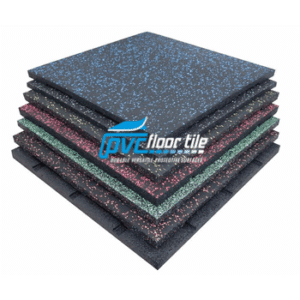


Compare gym flooring for weight training, equipment use, shock absorption and noise control.
Gym flooring helps support dumbbells, racks, benches and regular training equipment use.
Impact-focused gym flooring helps reduce pressure on floors during heavy or active workouts.
Noise-reducing gym flooring helps manage training sound and vibration in busy fitness spaces.
